The Legacy of Independence and the Challenges of Modern Leadership
Seventy-three years ago, on March 31, 1953, a pivotal moment in Nigerian history was set into motion. At that time, Chief Anthony Enahoro, then a member of the federal House of Representatives in Lagos, moved a motion proposing “that this House accepts as a primary political objective the attainment of self-government for Nigeria in 1956.” This motion marked the beginning of a journey toward independence, which would eventually be realized on October 1, 1960.
The events of that day were significant not only for their historical context but also for the broader implications they carried for Nigeria’s future. Enahoro’s motion was met with mixed reactions. While the majority of northern members of the House supported the idea of self-government, they opposed the proposed 1956 deadline, suggesting instead that it should be achieved “as soon as practicable.”
This debate highlighted the complexities of the independence movement and the differing perspectives among various regions of Nigeria. The motion itself became a catalyst for discussions about the nature of governance, the role of colonial powers, and the aspirations of a newly emerging nation.
The Vision of Obafemi Awolowo
Enahoro, a member of the Action Group led by Chief Obafemi Awolowo, was instrumental in pushing for this motion. Awolowo, a visionary leader, laid out a clear intellectual foundation for what an independent Nigeria should look like. In his book Path to Nigerian Freedom (1947), he argued that Nigeria, unlike Britain, should be structured as a federation of semi-autonomous units. He believed that true independence was not an end in itself but the beginning of a more challenging task: building a viable, self-reliant, and welfare-oriented state.
Awolowo emphasized the importance of education and the development of local skills as essential components of national progress. His ideas were echoed by many contemporaries, including leaders from the north, who recognized that independence was not just a moment of celebration but a responsibility requiring careful preparation and commitment.
The Current State of Nigerian Leadership
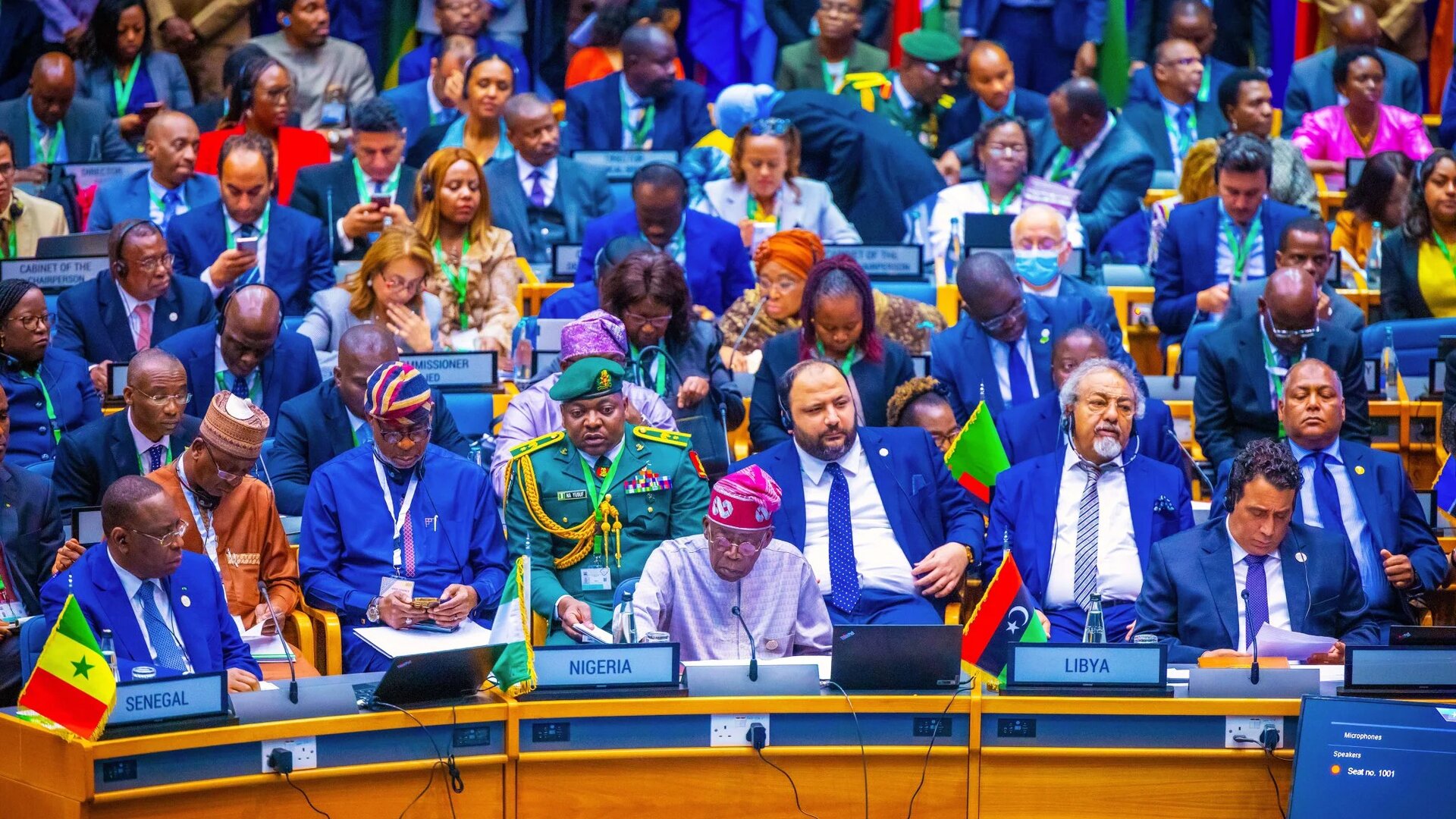
Fast forward to today, and the legacy of these early leaders seems to be under threat. President Bola Ahmed Tinubu, who was just one year and two days old when Enahoro made his historic motion, has taken a different path. Over the past three years, his foreign policy actions have raised concerns about the direction of Nigeria’s sovereignty and independence.
Tinubu’s approach has been criticized for prioritizing external interests over those of the Nigerian people. For instance, his efforts to position himself as a defender of French interests in West Africa have drawn scrutiny. This includes military interventions in neighboring countries, such as Niger and Benin Republic, all in the name of supporting French objectives. Such actions have been seen as a shift away from Nigeria’s traditional role as a regional leader.
Additionally, Tinubu’s government has entered into extensive security cooperation agreements with the United States, raising questions about the implications for Nigeria’s sovereignty. These agreements cover areas such as defense, intelligence, and military hardware, which are typically reserved for domestic security needs. Critics argue that such partnerships may compromise Nigeria’s autonomy and expose it to the influence of foreign powers.
Economic Implications and Foreign Debt
Another concerning trend is the government’s reliance on foreign borrowing. While it is common for Nigerian governments to seek loans from international entities, the scale and pace of borrowing under Tinubu’s administration have sparked alarm. The removal of fuel subsidies on the first day in office was expected to lead to reduced borrowing, yet the opposite has occurred.
This pattern of increasing debt raises serious concerns about Nigeria’s economic stability. If current trends continue, the country could face an unpayable debt burden within the next few years. Moreover, key policies such as naira devaluation and fuel subsidy removal appear to be influenced more by external pressures than by sound domestic planning.
A Call for Reevaluation
The question remains: why is this happening? The answer lies in the prioritization of external validation over the legitimacy of the Nigerian people. President Tinubu’s actions suggest a desire to gain recognition from foreign powers rather than focusing on the needs and aspirations of the citizens.
It is not too late for Nigeria to reassert its independence and prioritize the interests of its people. The legacy of leaders like Enahoro and Awolowo serves as a reminder of what is possible when a nation is guided by a vision of self-reliance and self-governance.