A Multilateral Framework for Korean Peninsula Denuclearization: A New Diplomatic Approach
A novel strategy has been put forth to bring North Korea, a nation steadfast in its nuclear ambitions, to the denuclearization negotiation table. This multifaceted proposal centers on the United States initiating diplomatic normalization with Pyongyang, while simultaneously securing the commitment of China and Russia to provide essential security guarantees. The aim is to create a robust, multi-party framework that incentivizes and enforces denuclearization.
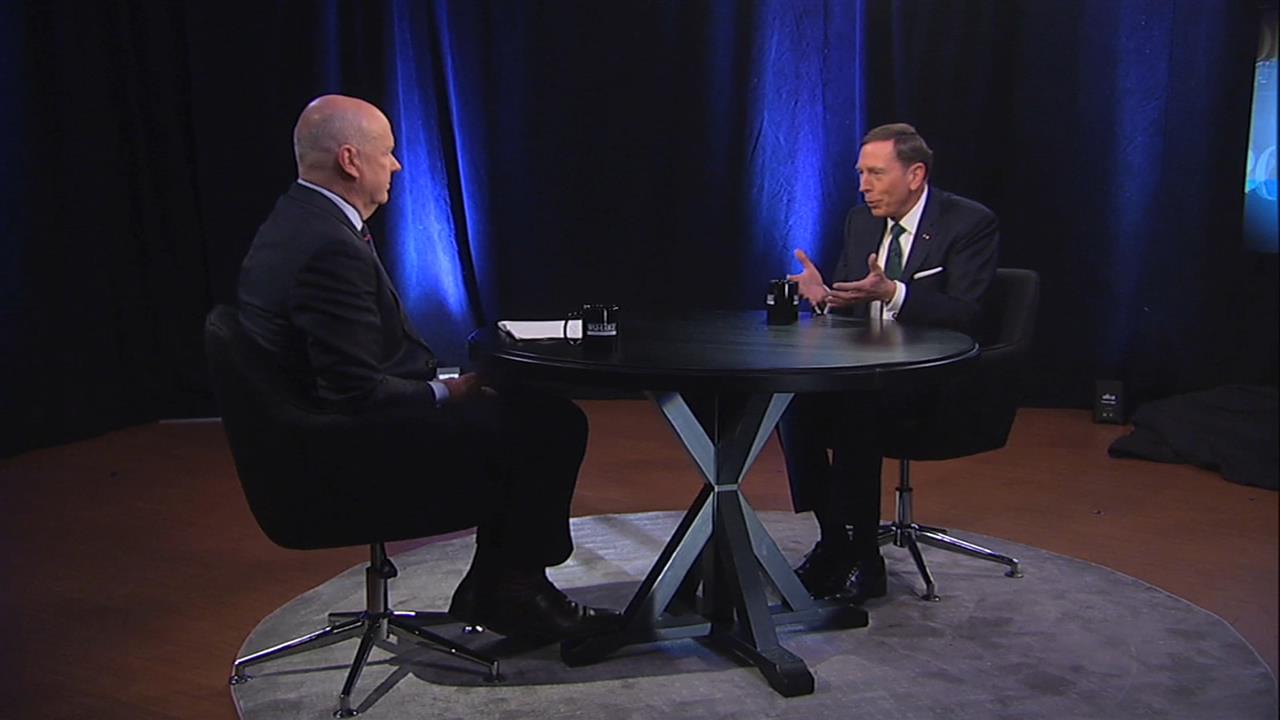
Cho Seong-ryoul, a visiting professor of military studies at Kyungnam University, articulated this vision at the “Unification Strategy Forum” in Seoul. He highlighted that the traditional economic incentives, once a primary driver for denuclearization talks, have lost much of their efficacy. Therefore, a division of roles among the U.S., China, and Russia is deemed crucial to compel North Korea’s genuine denuclearization efforts.
Redefining the U.S. Military Presence and Diplomatic Engagement
The cornerstone of Cho’s proposal involves a strategic reorientation of U.S. troops stationed in South Korea. Their role would evolve from a purely “deterrent force against North Korea” to that of a “regional stabilizer” for Northeast Asia. This shift, according to Cho, would subtly signal a security assurance to North Korea, mitigating fears of regime collapse, while allowing the U.S. to maintain its strategic containment of China and preserve the regional power balance.
In return for North Korea’s tangible steps towards denuclearization, such as freezing its nuclear program and agreeing to international inspections, the proposal suggests a calibrated reduction in the intensity of ROK-U.S. combined military exercises and a halt to the routine deployment of strategic assets. Crucially, this would be coupled with a formidable “snapback” mechanism. This mechanism would ensure the immediate restoration of overwhelming deployment capabilities should North Korea breach or deceive the agreed-upon terms.
At the diplomatic front, the plan advocates for a phased approach to U.S.-North Korea diplomatic normalization. A snapback mechanism would be intricately linked to all stages of this process, from the establishment of liaison offices to the eventual upgrading to representative offices and the formal establishment of diplomatic relations. Each step would be contingent upon North Korea’s demonstrated progress in denuclearization. While incentives would be granted for fulfilling commitments, reversible measures would be swiftly implemented if undisclosed nuclear facilities are discovered during verification or if North Korea fails to meet its obligations regarding the transfer of nuclear materials. “Snapback acts as a strong safety belt to keep distrustful negotiating parties at the table,” Cho emphasized. “Only when mutual reversible mechanisms are in place can the entrance to North Korea’s denuclearization be opened.”
Strengthening ROK-U.S. Cooperation and Countering North Korea’s Tactics
To preempt North Korea’s attempts to sideline South Korea from direct negotiations with the U.S., Cho stressed the imperative of a “joint ROK-US security proposal against North Korea.” He argued that the South Korean government should collaborate with the U.S. to present significant security concessions, such as adjustments to the operational posture of U.S. forces in South Korea. This unified front, he believes, would create a scenario where North Korea cannot afford to disregard South Korea’s role, effectively countering Pyongyang’s strategy of “engage-the-US-isolate-the-South” with an impenetrable “ROK-US cooperation” wall.
China and Russia’s Role in Security Guarantees
Under Cho’s framework, China and Russia would play a pivotal role in addressing any potential security vacuum created by North Korea’s denuclearization. They would provide a “substantive nuclear umbrella,” ensuring North Korea’s security interests are met. While the U.S. would lead the denuclearization exit strategy through diplomatic normalization, China and Russia would act as guarantors, preventing North Korea from reneging on its commitments. The proposal suggests adapting the existing ROK-U.S. Nuclear Consultative Group (NCG) model to offer tangible and legal security assurances without compromising the core principles of denuclearization. In the event of a North Korean violation, the snapback system would not only re-impose economic sanctions but also trigger U.S. military pressure and the automatic withdrawal of security guarantees by China and Russia, along with their participation in sanctions.
A Multilateral Verification System for Enhanced Trust
Baek Seung-hyeok, a senior researcher at Seoul National University’s Atomic Energy Policy Center, proposed a comprehensive multilateral verification system. This system, dubbed the “Korean Peninsula Military and Nuclear Verification Joint Committee,” would comprise military and nuclear experts from the ROK and the U.S., alongside representatives from China, Russia, and the International Atomic Energy Agency (IAEA). Baek underscored the necessity for the committee’s internal decision-making processes to prevent China and Russia from deliberately obstructing judgments or exercising veto power. He stressed that the snapback mechanism should serve as an immediate deterrent against significant violations by North Korea, rather than requiring unanimous consent.
To streamline the verification process, the proposal advocates for the use of advanced technical control devices, moving away from the less effective method of direct verification personnel entry into North Korea. This would involve deploying unmanned remote monitoring systems, including access detection sensors, seal detection devices, radiation meters, and high-resolution CCTV. These would be installed at critical locations such as coastal artillery positions, surveillance outpost withdrawal zones, and nuclear facility freeze points. The real-time collection and transmission of data would enable the Joint Verification Committee to conduct continuous monitoring.
Furthermore, Baek suggested that an international consortium or the Joint Verification Committee could directly control power generation ships stationed off the coast near Nampo or Wonsan. These ships would be connected to North Korea’s internal power grid via undersea power transmission cables. In the event of detected unannounced nuclear activities, indicated by elevated radiation levels, or significant violations identified through data analysis, the power transmission to North Korea would be automatically severed. This crucial action would be implemented without the need for a UN Security Council meeting or political intervention from neighboring countries, thereby providing a swift and decisive response to any breaches of agreement.