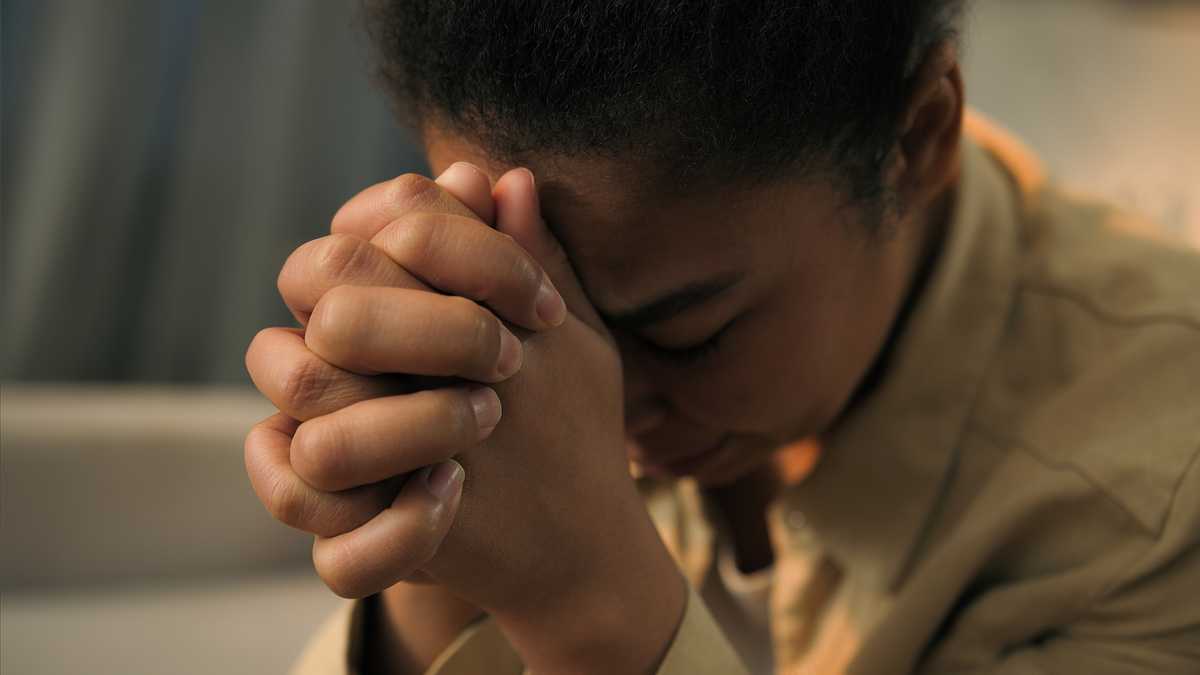
The quiet hum of a sick child’s home is often punctuated by the frantic, ceaseless motion of a mother’s hands. Mine are a testament to this rhythm – perpetually busy, a blur of activity as I manage dialysis lines, organize pill bottles, and meticulously check the sodium levels charted on our refrigerator. It’s a dance of survival, a constant vigilance that my six-year-old son, Kevin, with his sharp wit and endearing sass, calls my “busy hands things.” Despite battling stage IV renal failure, Kevin possesses a remarkable clarity, often observing my nervous energy with a knowing grin. “Mom,” he’ll say, his feet swinging beneath the kitchen table, “you’re doing it again.”
I am Elizabeth, though most who have weathered this storm with me call me Liz. In the crucible of the past three years, I’ve learned that offers of help often come with unspoken expectations or subtle judgments. We’ve learned to navigate our world in a state of self-imposed isolation, not by choice, but out of a perceived need for safety. This hard-won solitude is precisely why the arrival of Rita, our new neighbor, felt so profoundly disarming.
Rita moved in a few weeks prior, and with a gentle persistence, she began to weave herself into the fabric of our daily lives. Her initial offering was a plate of meticulously prepared, kidney-safe cookies, each one clearly labeled. “I made these with Google and fear,” she’d explained with a disarming smile, presenting them with a hint of vulnerability. “Tell me if I got it wrong.” I scanned the label, noting the absence of added sodium, phosphorus, and potassium – a testament to her diligent research. Kevin, his eyes wide with hope, immediately asked, “Can I have one?” I insisted on re-reading the ingredients first, a habit born of necessity. Rita, however, didn’t flinch. She simply waited, her smile unwavering. “If it’s wrong,” she offered, “I’ll do better next time. I’ll do more research. Or you can tell me what’s on and off the dietary list, Liz.”
This simple, non-judgmental offer was the first fissure in the protective wall I had painstakingly erected around myself and Kevin since his diagnosis. Rita’s presence evolved from a neighborly gesture into a comforting constant. She would sit on the porch with Kevin while I worked, piecing together freelance articles to cover rent and mounting medical bills. There were no probing “How are you, really?” questions, no uncomfortable silences. It was pure, uncomplicated companionship.
One afternoon, I opened the door to find Rita beaming, a grocery bag clutched in her hand like a secret weapon. “Low-sodium popsicles,” she announced, her voice full of conspiratorial glee. “Actual cherry flavor, I promise.” Kevin’s face lit up. “Popsicles?! No way, Aunt Rita! Yes!” I gently intervened, “After dinner, my boy.” “Fair,” Rita agreed. “After dinner works for us. But the real treat? Liz, you’re getting a nap. A real nap, the kind that comes with drool and dreams.” I blinked, momentarily stunned. “Are you offering to babysit?” Rita simply shook her head. “Yes and no. I’m offering to sit next to your son while he reads comic books and tells me about superheroes, and while you remember what silence sounds like.” Kevin turned to me, his plea earnest. “Please, Mom. Just for a bit? I’ll feel better if you feel better.”
Hesitation warred with the desperate need for respite. Rita didn’t push. “Porch only,” I conceded. “If he so much as coughs weird—” “Then I’ll come get you,” she promised, her voice firm. “I’ve got this.”
Fifteen minutes later, I found myself on the couch, shoes discarded, a calming YouTube video playing. Despite my heart’s persistent, anxious thumping, I drifted into a deep sleep. When I awoke, the sound of Kevin’s giggles still drifted from the porch. Rita was there, calmly turning pages of a comic book, her presence a serene anchor. It was the first time I had accepted help without the gnawing sensation of accruing a debt.
Stepping outside, ready to rejoin the world, I called out, “Thanks again, Rita. You have no idea what that meant to me.” She stood, gathering her bag, and offered a warm smile. “Anytime, neighbor. I’m going to rest now, too. I’m feeling… faint.” I noticed her pallor. “Yes, you should, Rita, you look pale.”
As Rita turned to descend her porch steps, her tote bag snagged on the corner of the mailbox. She tugged it free with practiced ease, her attention seemingly elsewhere, and continued towards her house. Unbeknownst to her, something precious had slipped from the bag. A wallet. I stepped off my porch, intending to retrieve it before it was lost to the elements or a curious passerby. It was a well-worn leather wallet, its corners scuffed, adorned with a cheerful sunflower keychain. “Rita!” I called out, but she didn’t respond. Her front door clicked shut.
Turning back towards her stoop, wallet in hand, I felt a pang of conflict. I didn’t want to leave Kevin alone for too long. As I shifted the wallet in my grip, it fell open. Before I could react, I saw it: a photograph of Kevin. It wasn’t a formal school portrait or a picture I’d shared online. It was a candid shot, taken about a year ago at Uhuru Park. Kevin, clad in his bright Spider-Man hoodie, was captured mid-climb on the jungle gym, his head turned as if someone had called his name. That particular hoodie, I knew, was now too small for him. And Rita hadn’t even known us then.
My gaze fell to the back of the photograph. Scrawled in bold red marker were three words: “MATCH CONFIRMED: 911.” A cold dread washed over me. “What is this?” I gasped, rushing back into my home. “Kevin?” I called out, my voice sharp with alarm. “Go to your room. Lock the door.” His eyes widened in confusion. “Why, Mom? What happened? I feel fine!” “I need you safe, baby. Trust me.” He nodded, his small face serious, and ran. My hands trembled as I fumbled for my phone. “911, what’s your emergency?” I stammered. “My neighbor,” I explained breathlessly. “She dropped her wallet. It had a photo of my son – one I never gave her. There’s writing on the back. It looks… wrong. I don’t know what to do. I need help!”
“Stay inside, ma’am,” the dispatcher instructed calmly. “I’m just forwarding your address now. Don’t confront her. We’ll be with you soon.” “I won’t. Just hurry, please.” The wail of sirens grew closer, announcing the arrival of a police cruiser and an EMT unit. From her porch railing, Mrs. Williams, another neighbor, watched with an air of regal expectation. Down the street, a man was already filming the unfolding scene with his phone. Two officers approached me, their expressions professional yet concerned. “Ma’am?” the older officer inquired. “I’m Officer Imani. This is Officer Mike. We’re responding to your call?” “Yes. Thank you for coming so quickly.” With trembling hands, I presented Rita’s wallet. I recounted the events, explaining how I’d found the photo and the cryptic inscription. Officer Imani took the wallet, his brow furrowing as he examined the photograph and its inscription. “Ma’am,” he stated, his voice carrying to the watchful neighbors, “this reads like a medical safety note.” “Even so,” I stammered, “how did she get it?” The officer’s gaze shifted to me. “Where’s your son now?” “In his room. I asked him to lock the door. He’s sick… really sick. He has renal failure.” The officer nodded. “Stay here.”
Unable to simply stand by, I followed the officers to Rita’s house. They approached her door and knocked, then louder, but there was no response. “Ma’am? Rita? It’s the police!” Officer Imani called out. A faint, rasping sound emerged from within. “We need to breach. Now!” Officer Imani declared. The EMT stepped forward with bolt cutters, and the chain on the door snapped with surprising ease. Inside, Rita lay on the floor, her lips swollen, her face blotchy. Her arm was outstretched towards her coffee table, a silent plea towards her phone. “She’s in anaphylaxis,” the EMT announced, already kneeling beside her. “Severe.” He swiftly retrieved an auto-injector from his bag and administered it to her thigh. I stepped closer, my breath catching in my throat. “Wait! Her bracelet… I never saw that before.” A silver band, etched with bold red letters: “SEVERE ALLERGY RISK: CALL 911.” My gaze flickered from the bracelet to the photograph of my son still clutched in my hand. “MATCH CONFIRMED: 911.” My knees buckled. “She was trying to help,” the EMT murmured, his actions steady and professional. “I think you were mistaken, ma’am. I think this woman is a donor for your son. Hospital records will confirm it.” I gripped the staircase railing, the words echoing in my mind. If she was indeed trying to help, then I had profoundly misunderstood everything. This wasn’t about Kevin’s surveillance; it was about Rita’s sacrifice. “Liz,” Rita rasped as the EMTs prepared to move her to a stretcher, the word a burning ember in her throat. I stepped forward. “You’re going to be okay, Rita.”
As the ambulance pulled away, I stood rooted to the spot, my arms wrapped around myself, a shield against the wave of shame. The neighbors, their curiosity sated, began to disperse. Only Mrs. Williams lingered, shaking her head on her porch. “She had a photo of your kid, Elizabeth,” she muttered, her voice carrying a hint of suspicion. “I heard you telling the cop. Still sounds creepy to me.” I turned, my jaw tight. “You don’t get to call her creepy. She nearly died trying to help him. She’s the reason my son might live.” I retreated inside, closing the door behind me and pressing my back against it. “What happened?” Kevin asked, peeking out from the hallway. “Rita is… sick. But she’s going to be okay.” My phone buzzed. Hesitantly, I answered. “Elizabeth speaking.” “Hi, Elizabeth. This is Melanie, the transplant coordinator at Kenyatta National Hospital. Rita asked us to call you.” My stomach churned. “She just left in an ambulance. I didn’t know what was happening. I found the photo and—” “She’s stable,” Melanie reassured me. “She had a reaction to her pre-op meds. We were monitoring her from afar, but she had a personal safety plan in place.” “The photo,” I pressed, my voice still laced with disbelief. “It felt like… surveillance. I don’t understand. Rita wanted to help us?” “It wasn’t,” Melanie replied gently. “That photo was from the hospital’s donor-awareness page for registered volunteers, from Kidney Kids Fun Day, remember? Kevin’s image was included with your consent. Rita found it after the match confirmation. I think she just wanted to see who she’d be sharing her body with.”
I closed my eyes, a vivid memory surfacing. I remembered signing the consent form at Kidney Kids Fun Day when Kevin was four. I had completely forgotten about it. The thought had been simple: In case seeing a child’s face helps a stranger decide to save him. I had forgotten all about it until that moment.
Later at the hospital, Rita appeared small and frail beneath the harsh fluorescent lights. She offered a weak smile when she saw me. “I’m sorry,” she rasped. “I didn’t want to scare you.” “You didn’t,” I replied, my voice thick with emotion. “You tried to help. I just… didn’t see it.” “I didn’t want you to feel like you owed me,” she whispered. “I wanted your yes to be organic and true.” I stared at her, the enormity of her actions sinking in. “You nearly died.” “I wanted to make sure Kevin was okay,” she murmured. “He deserves to go to second grade. And snacks that don’t taste like disappointment.” A choked laugh escaped me, tears welling in my eyes. “I joined the donor program a long time ago, Liz,” she continued. “After my father died from not getting a heart transplant in time. I promised myself that I’d do better for other people.” Looking at her, pale and swollen, propped up in the hospital bed, I still struggled to comprehend the depth of her selflessness. “But the allergic reaction,” I faltered, “doesn’t that mean it’s off the table now?” Rita hesitated, then shook her head. “One of the standard pre-op meds triggered it. They warned me it was a possibility. I thought I’d be fine. The doctors are switching me to an alternate prep protocol. It’s slower. A little riskier. But they say it can still work.”
“You’re going through with it?” I asked, my voice barely a whisper. “If they clear me, Liz. And Kevin still needs me… I’m not backing out. I didn’t almost die just to bail now.” A breath I hadn’t realized I was holding escaped me. “You’re… ridiculous.” I sat with her for a few more moments, the silence a comforting blanket. The sheer magnitude of her generosity was overwhelming, and the certainty that my son would be okay washed over me with profound relief. “I need you to tell me everything, Rita.” “I will tell you everything you need to know. I promise.” I looked down at my hands. For the first time since Kevin’s illness had consumed our lives, my hands were still. And for once, the stillness didn’t fill me with fear.