Northern Ireland Grapples with Alarming Rates of Violence Against Women
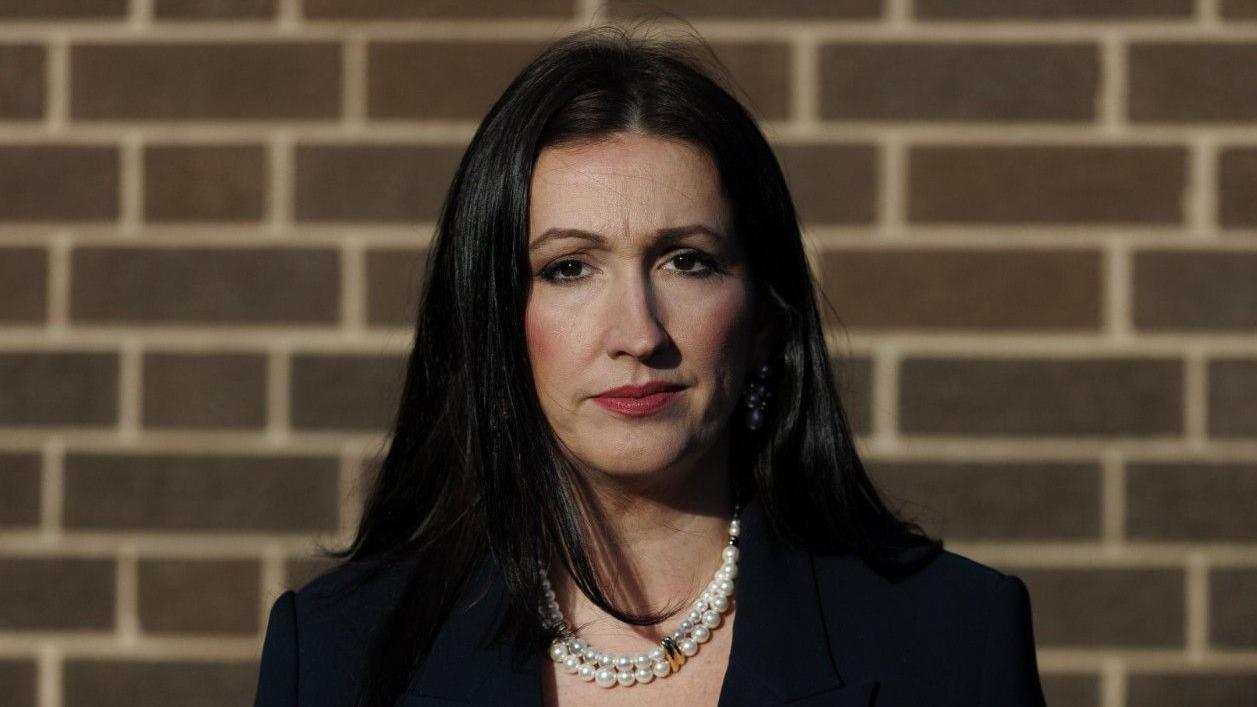
The deputy first minister of Northern Ireland has issued a stark warning, stating that the prevalence of violence against women in the region should be a cause for profound shock and concern for every individual. This sentiment follows a recent declaration by the Secretary of State that Northern Ireland is, in fact, the most dangerous part of the United Kingdom for women.
The deputy first minister’s remarks were made in the wake of a tragic month that saw the murders of two women, compounded by the conviction of a man for the brutal killing of Natalie McNally. Ms. McNally is tragically among 30 women who have lost their lives to violent acts in Northern Ireland since 2020.
The recent victims include 23-year-old Ellie Flanagan, whose body was discovered on March 7th in a house in Enniskillen. Martin McCarney, 45, from Enniskillen, has since been charged with her murder. In another deeply distressing incident, a 30-year-old man was arrested on suspicion of murdering mother-of-two Amy Doherty on March 21st in Londonderry. Her funeral was scheduled to take place on Thursday.
Speaking on a local radio program, the deputy first minister articulated her deep distress, stating, “The rates of violence against women in Northern Ireland should horrify all of us. It horrifies me; it should anger all of us.” When questioned about personal feelings of shame regarding these statistics, she firmly asserted that “we should all be.”
She continued, expressing a sentiment that Northern Ireland should not be associated with such grim statistics, but emphasized that “every single death is an utter tragedy.” The deputy first minister highlighted the profound impact of these losses, stating, “All of these women were deeply loved, all of these people were women who had their lives ahead of them. And when you listen to the McNally family, when you listen to their loved ones, you can see the utter devastation that is caused by those who took away their lives in such a violent way.” She concluded this point by stressing that this is “not just an issue for government, it’s an issue for us all.”
A Comprehensive Strategy to Combat Violence
In response to this escalating crisis, Stormont’s Executive Office, under the joint leadership of the deputy first minister and First Minister Michelle O’Neill, has launched its Ending Violence Against Women and Girls Strategy in 2024.
The deputy first minister acknowledged that this strategy is in its nascent stages, describing the issue itself as “very complex.” She underscored the critical need for consistent and clear messaging regarding values and respect to be disseminated across all spheres of society. “There should be clear messages and values being given in every home, in every school, in every opportunity because it is absolutely appalling, the levels of violence against women and girls here is appalling,” she stated.
A key component of the strategy involves bolstering support systems for women seeking to escape abusive relationships. The deputy first minister pointed out a disturbing pattern: “We know that the vast majority of women who are killed are killed by partners, estranged partners, somebody who is known to them.” However, she added a crucial insight: “But we also know the point in which that is most likely is the point in which they leave that person.”
This reality necessitates robust provision for those in emergency situations. “It also means that person must have refuge, they must have the support services when they decide to leave,” she emphasized. While acknowledging that the Executive Office is not directly responsible for all funding streams, she stressed the importance of a coordinated response. “Obviously those are funded not through the Executive Office but through other departments, but we require that coordinated response,” she explained.
Urgent Need for Action and Support
The ongoing violence against women in Northern Ireland presents a deeply troubling societal challenge. The statistics paint a grim picture, underscoring the urgent need for comprehensive action. The recent tragedies, including the murders of Natalie McNally, Ellie Flanagan, and Amy Doherty, serve as stark reminders of the human cost of this persistent issue.
The deputy first minister’s impassioned calls for collective responsibility highlight that combating violence against women is not solely a governmental concern but a societal imperative. The newly launched strategy represents a crucial step forward, but its success will depend on sustained commitment and effective implementation across various sectors.
Key areas of focus must include:
- Public Awareness Campaigns: Educating the public about the signs of domestic abuse and promoting a culture of zero tolerance for violence against women and girls.
- Support Services for Victims: Ensuring readily accessible and comprehensive support services, including safe houses, counselling, and legal aid, for women wishing to leave abusive relationships.
- Law Enforcement and Justice System: Strengthening the response of law enforcement and the justice system to ensure perpetrators are held accountable and victims receive justice.
- Education and Prevention: Integrating violence prevention education into school curricula and community programs to foster healthier relationships and challenge harmful gender norms from an early age.
- Inter-Departmental Collaboration: Fostering seamless cooperation between government departments to ensure a coordinated and effective response to all aspects of violence against women.
The statistics released by the Secretary of State, which identify Northern Ireland as the most dangerous part of the UK for women, are a call to action that cannot be ignored. The personal testimonies of victims’ families, like that of the McNally family, powerfully illustrate the devastating consequences of such violence and the profound grief left in its wake. Addressing this complex issue requires a multi-faceted approach, involving government, communities, and individuals working together to create a safer environment for all women and girls.