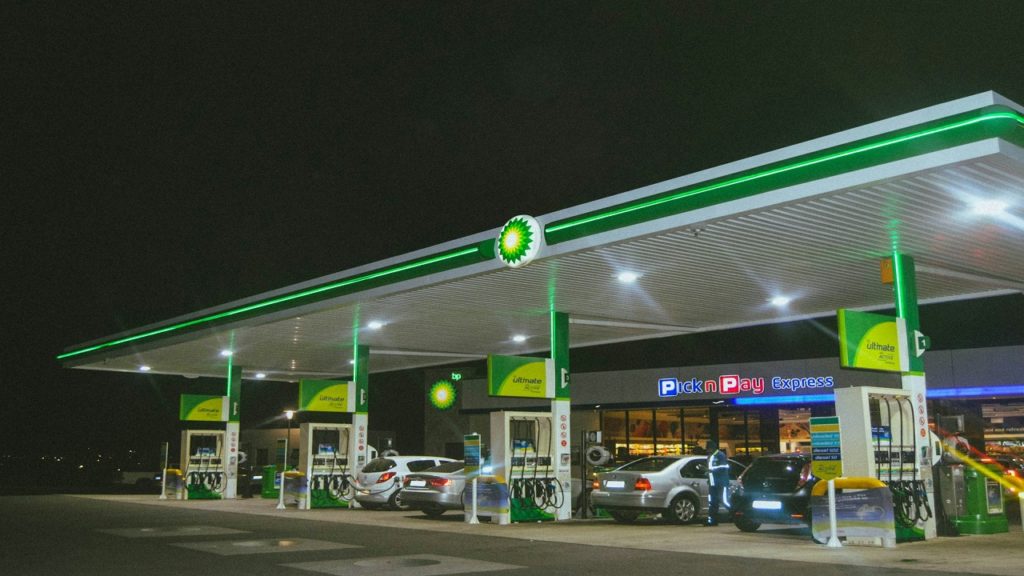
South Africa’s Fuel Security Assured Amidst Global Geopolitical Tensions
South Africa’s fuel supply remains secure despite escalating global conflicts, according to Mineral and Petroleum Resources Minister Gwede Mantashe. Addressing concerns in Parliament, Mantashe urged citizens to remain calm, stating that the nation’s petroleum supply security arrangements are robust and unaffected by the ongoing war between the United States, Israel, and Iran.
The international conflict has sparked widespread apprehension regarding potential disruptions to fuel supplies and subsequent price hikes. However, Minister Mantashe assured the National Assembly that there is no immediate cause for worry. “Panic kills,” he remarked, emphasizing that “Despite the heightened geopolitical risk, the Republic’s current petroleum supply security arrangement remains robust.”
The Minister further elaborated on the safety of crucial shipping routes. He confirmed that vessels carrying cargo to South Africa are successfully navigating the Strait of Hormuz without incident. Iran, he explained, has established specific guidelines for ships transiting the strait: they must not be allied with either the US or Israel, and all payments must be conducted in Iranian rial, not US dollars. “All cargo coming to South Africa is allowed through,” Mantashe stated. “There is no fear of this.”
While South Africa’s immediate fuel supply is not at risk, the nation’s vulnerability to global oil price shocks remains a significant challenge. Minister Mantashe highlighted that the country’s ability to mitigate these impacts is limited unless it develops its own domestic oil and gas resources. He noted the legal hurdles faced in exploration efforts, stating, “Every time we drill, we are taken to court.” He reiterated that “If we have our own sources of energy, we can mitigate it,” underscoring the strategic importance of energy independence.
Impending Fuel Price Increases
Despite assurances of supply security, motorists and industries are bracing for significant fuel price adjustments scheduled for April 1st. Data from the Central Energy Fund (CEF) indicates substantial under-recoveries for both petrol and diesel. Should these trends persist, consumers can anticipate the following price increases:
- Petrol 93: An anticipated rise of R5.07 per litre.
- Petrol 95: An expected increase of R5.62 per litre.
- Diesel (0.05%): A substantial jump of R9.37 per litre.
- Diesel (0.005%): Set to rise by R9.50 per litre.
- Illuminating Paraffin: Facing an even steeper increase of R11.00 per litre.
These impending price hikes are already creating ripple effects across various sectors. Service stations along the Garden Route have reportedly begun limiting fuel sales, and diesel deliveries have experienced delays. The agricultural sector is particularly hard-hit, with farmers grappling with rising fertiliser costs that are escalating in tandem with fuel prices. This situation puts added pressure on food production and affordability for consumers.
The global geopolitical landscape continues to be a volatile factor influencing energy markets. The conflict in the Middle East, while not directly impacting South Africa’s physical fuel supply, is a primary driver behind the anticipated price increases. The interconnectedness of the global economy means that even distant conflicts can have tangible consequences for everyday consumers and businesses.
Minister Mantashe’s statement aims to provide reassurance regarding the physical availability of fuel. However, the upcoming price adjustments serve as a stark reminder of South Africa’s reliance on international energy markets and the need for long-term strategies to enhance energy security and mitigate price volatility. The government’s focus on developing domestic energy sources, despite the challenges, is seen as a crucial step towards greater economic resilience in the face of global uncertainties.