A Controversial Visit to Plateau State
President Bola Tinubu’s recent visit to Plateau State has sparked significant controversy, particularly after he was criticized for his handling of the situation following a deadly attack in Angwa Rukuba, Jos North Local Government Area. The incident, which occurred on Sunday, resulted in the deaths of 28 individuals and left many others injured. The President’s intention was to offer condolences to the victims and their families, but the manner in which the visit unfolded drew sharp criticism from various quarters.
On Wednesday, Bayo Onanuga, the Presidential spokesman, announced that the President would travel to Jos to “commiserate with the government and people of the state over the recent gun attacks.” However, the aftermath of this trip led to widespread backlash, as many felt that the President’s actions did not reflect genuine empathy or concern for the victims.
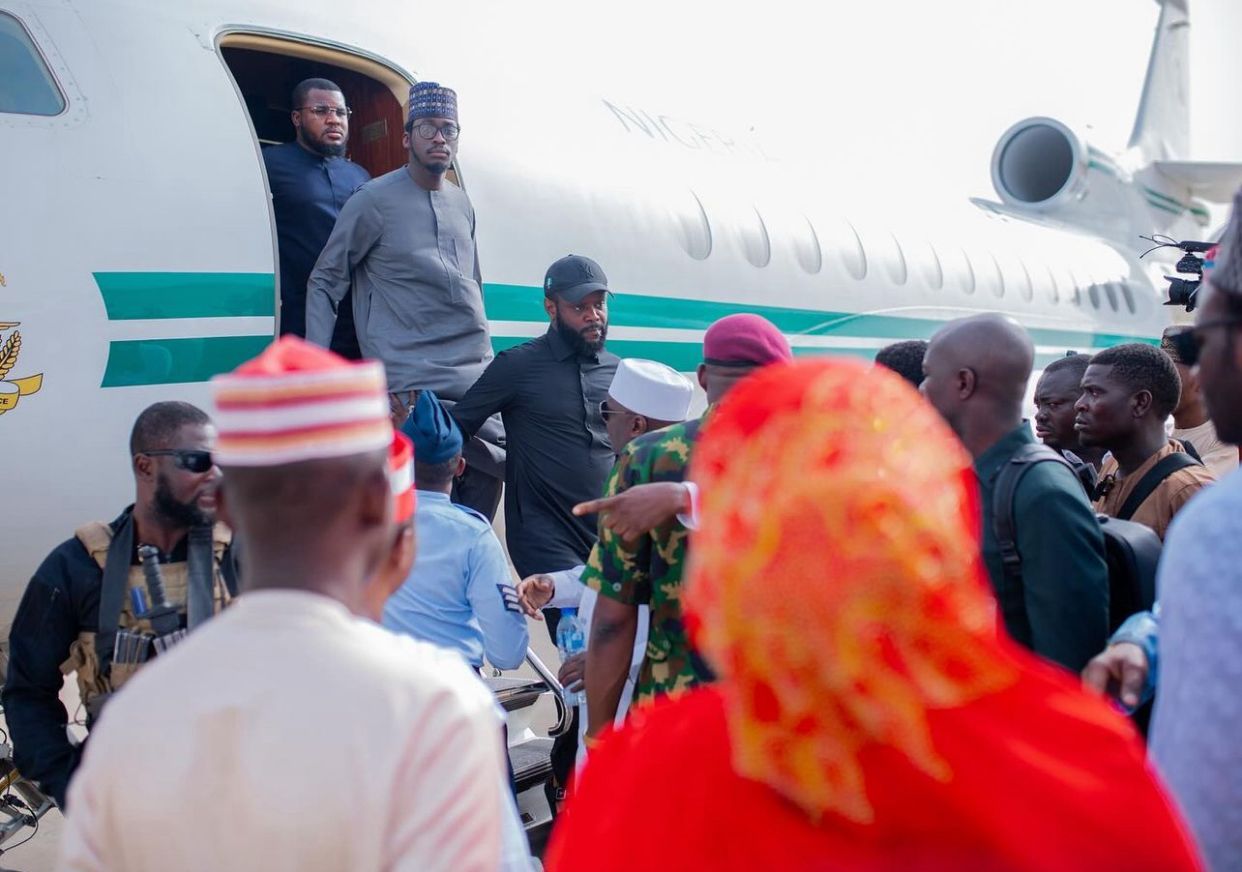
During the visit, the President addressed the victims who had been brought to meet him at the airport. He expressed his sorrow, stating, “You have no light at the airport, and I have to fly back within the next 10 minutes. To the victims, there’s nothing I can give you, whether it’s money in millions, but console you and promise you that this experience will not repeat itself.” The event was attended by political supporters, traditional rulers, and security personnel, among others.
The President took to X (formerly Twitter) to share an update about the visit, posting images and expressing his commitment to supporting the victims. However, this post quickly ignited a firestorm on social media, with many users criticizing the brief nature of the visit.
Criticisms and Public Outrage
Opposition leader and former Vice-President Atiku Abubakar was among the first to voice his disapproval, with his aide Phrank Shaibu condemning the visit as a “choreographed spectacle” that prioritized optics over empathy. He argued that a true leader should be present with the people during their darkest moments, rather than reducing a tragedy to a political event.
Digital content creator Ugo Egbujo also criticized the visit, pointing out that the airport where the President met the victims is not in Jos. He noted that the location, Hypang, is more than 30 minutes away from the city. This raised questions about why the President did not visit the actual site of the attack, leading to accusations of insensitivity.
Another point of contention was the timing of the visit. Critics questioned why the President did not arrive earlier, especially since the flight from Abuja to Jos takes less than 15 minutes. Some suggested that the visit was more about photo opportunities than genuine engagement with the victims.
ARISE News journalist Rufai Oseni highlighted the irony of the President not even reaching Jos town, emphasizing that the visit ended at the airport. Similarly, social media users like @Dee_9889 and Esther Umoh expressed their disappointment, with some calling the President unfit for office due to his perceived lack of compassion.
Mixed Reactions and Support
While many criticized the President’s actions, some individuals offered support. Social media user AMBO praised the visit, stating that it showed compassion in action. Oluwasegun Temitayo Dada also commended the President for being realistic and compassionate rather than engaging in political theatrics.
Despite these positive remarks, the overall sentiment remained largely negative, with critics arguing that the President’s actions failed to address the real needs of the victims and their families.
Conclusion
The visit to Plateau State has highlighted the challenges faced by leaders in times of crisis, particularly when public expectations are high. While the President’s intentions may have been to show support, the manner in which the visit was conducted has led to significant backlash. As the country continues to grapple with issues of violence and insecurity, the need for genuine leadership and empathy remains more crucial than ever.