A Symphony of Survival: How 2500 Personalities Brought an Abuser to Justice
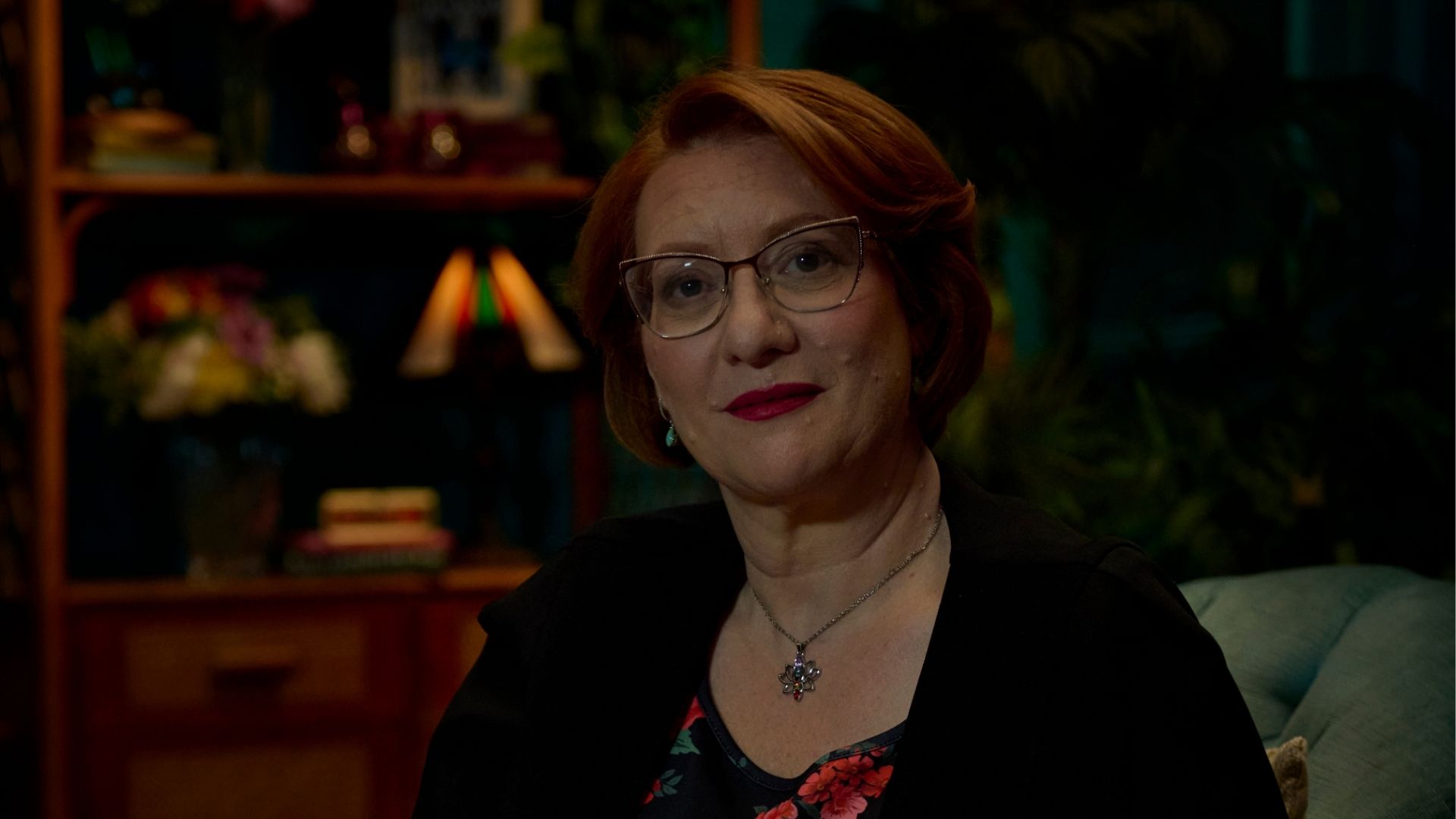
Jeni Haynes endured a childhood steeped in unimaginable terror. The abuse she suffered at the hands of her father, Richard Haynes, has been described by Australian police as one of the most horrific cases in the nation’s history. Yet, unlike many survivors who struggle to recall the details of their trauma, Jeni’s mind developed an extraordinary mechanism to cope, remembering every harrowing moment with astonishing clarity. This intricate coping strategy, born from abject fear, ultimately became the key to securing a record 45-year prison sentence for her abuser.
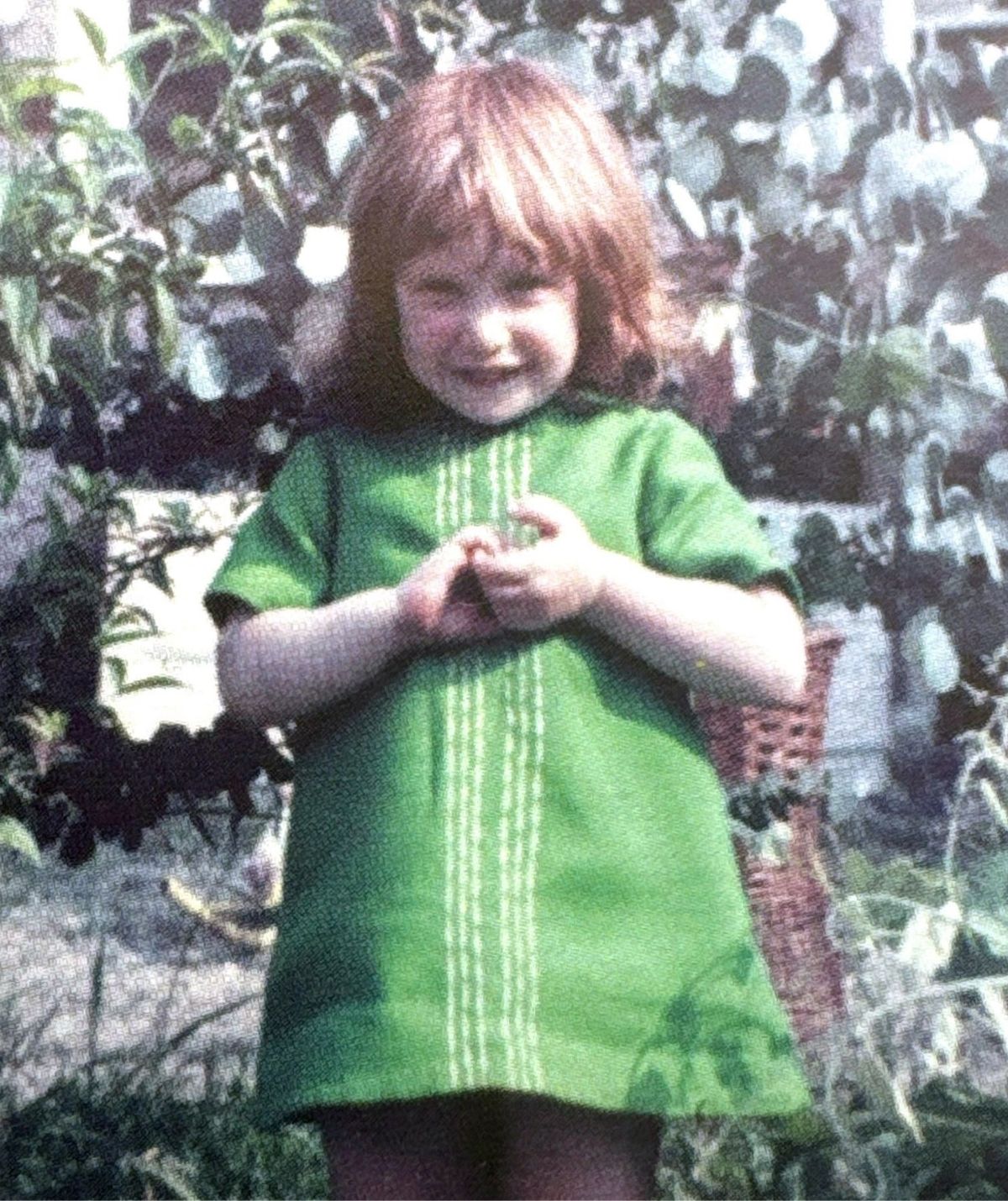
“Symphony was the first ‘alter’. The original child was terrified and Symphony sang for her,” Jeni, now 56, explains how, throughout her formative years, her mind deployed a remarkable tactic to endure the abuse. To shield her core self from the unbearable reality, her brain ingeniously created new identities. Each of these alters was designed to experience and compartmentalise specific incidents, leading to the development of an astonishing 2500 distinct personalities.
A Complex Coping Mechanism
This condition, known medically as Dissociative Identity Disorder (DID), formerly Multiple Personality Disorder (MPD), is a profound coping mechanism that often develops in early childhood as a response to overwhelming trauma. It allows an individual to dissociate from distressing experiences, creating mental separation to survive.
Remarkably, Jeni initially believed this was how everyone experienced life. “I can pinpoint the first time I found out this was ‘not normal’,” she recalls, recounting a visit to a neurologist at the age of 14 following an epileptic seizure. The “voices” she described hearing were initially linked to her seizure, but it wasn’t until she was studying psychology at university that she truly understood the nature of MPD.
Far from viewing her DID as a “disorder,” Jeni feels a sense of gratitude for its development. “MPD kept me safe when my entire world was not safe. It made my life better,” she states from her home in Deception Bay, Queensland. She further explains the crucial role her alters played: “Some alters knew what was happening to us was wrong and helped us remember and communicate this later.”
The Power of Collective Memory
This ability to recall and communicate was instrumental. In 2009, with the full cooperation of her numerous alters, Jeni compiled an epic 900,000-word statement for the police, meticulously detailing every instance of her prolonged abuse. The sheer volume and precision of the information provided allowed the police to corroborate her account. The moment they told Jeni they believed her was a watershed of validation she had never dared to hope for.
“I’d been holding myself together through gritted teeth for 39 years thinking no one would believe me. I was so ready to not be believed. I cried for about two hours,” she shares, reflecting on that pivotal juncture.
Jeni anticipated that testifying in court, utilising her DID and presenting as different personalities, would make her “the laughing stock of Australia.” However, the reality was the opposite. After a decade of legal proceedings, Jeni finally entered the courtroom in March 2019, “terrified” to confront her father, who had been extradited from the UK.
“I was expecting him to look how he looked the day he did it,” she says. “But then an old man came in. He wasn’t wearing a suit – he wasn’t in his respectable mask. I was nervous until I saw him.”
Richard Haynes initially faced 367 charges, including multiple counts of rape and indecent assault of a child under the age of 10. Jeni was permitted to testify as Symphony, along with five other alters, each equipped with specific, detailed evidence pertaining to various offences.
“He didn’t last an hour and a half,” Jeni recounts. “He rolled over and said he was guilty. It’s one thing hearing an adult in the witness box saying, ‘When I was four this happened,’ but quite another to hear from Symphony, who is a four-year-old, saying what happened to her like it was yesterday. It wasn’t retrospective. It was present tense.”
A Precedent for Justice
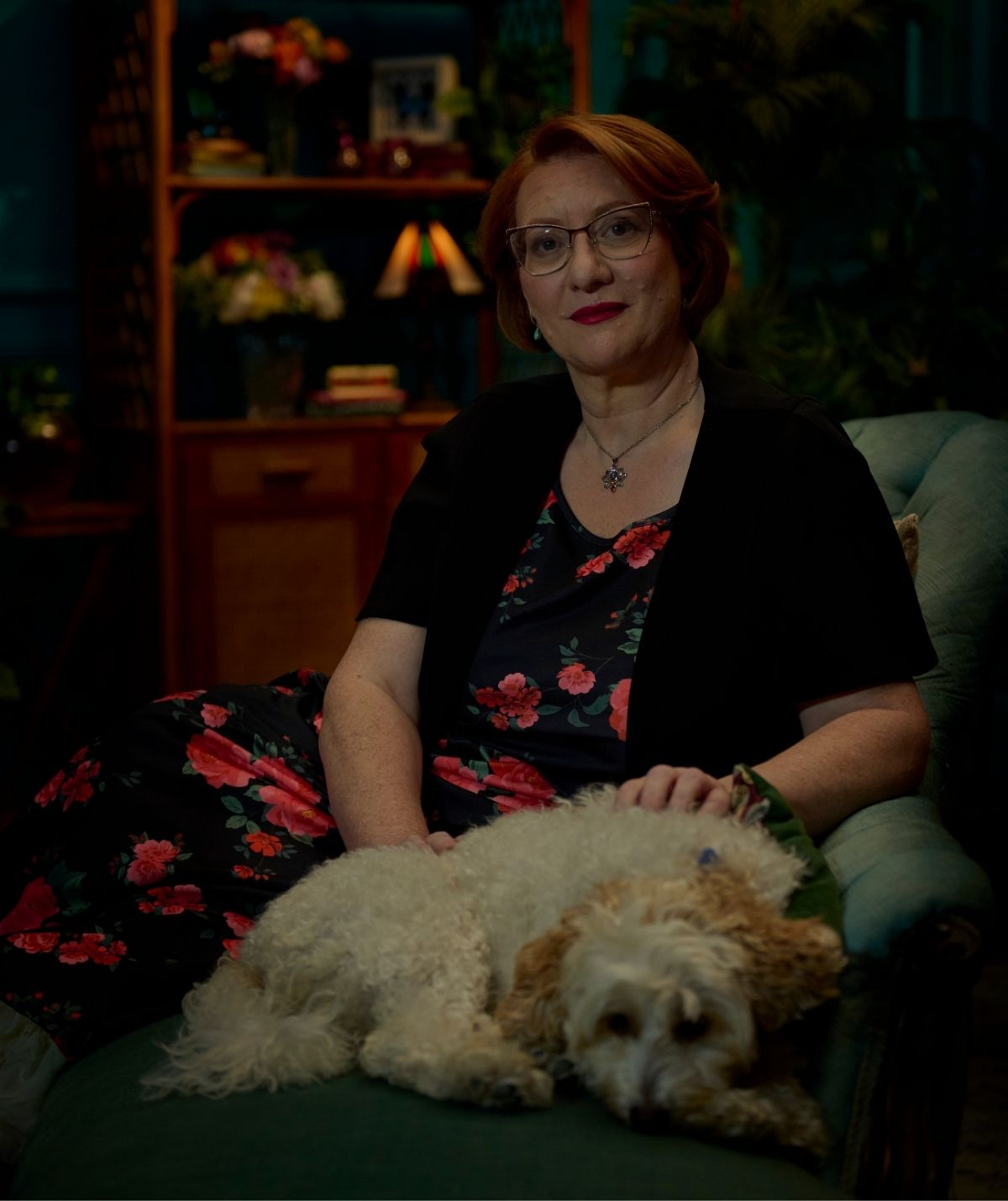
Haynes ultimately pleaded guilty to 25 charges and was sentenced to 45 years in prison. The verdict delivered the profound justice Jeni had sought, but it also yielded an unexpected and far-reaching consequence.
“Seven people in Australia and two in New Zealand have got justice after me with DID,” she says, her voice filled with awe. “It’s incredible.”
The legal precedent set by Jeni’s case has been nothing short of groundbreaking. To this day, she receives emails daily from fellow abuse survivors and individuals with DID. “I try to reply to all of them,” she states. “We are a highly ethical and moral people and have an obligation to other survivors of abuse and DID.”
This sense of responsibility was a driving force behind her decision to write her book, which subsequently led to the documentary We Are Jeni. “We want to use our story for others to get justice if they want to, and it’s my chance to say the words I wanted to hear, to survivors with MPD/DID,” she expresses.
“Justice is possible. Your diagnosis is no longer a barrier to justice. If you want justice use my case as precedent. Go for it. For all survivors of child sexual assault, I hear you, I see you, I believe you. What happened to you matters. You matter.”
We Are Jeni premiered Sunday 7 June at 7:30pm on SBS and is available to stream on SBS On Demand.