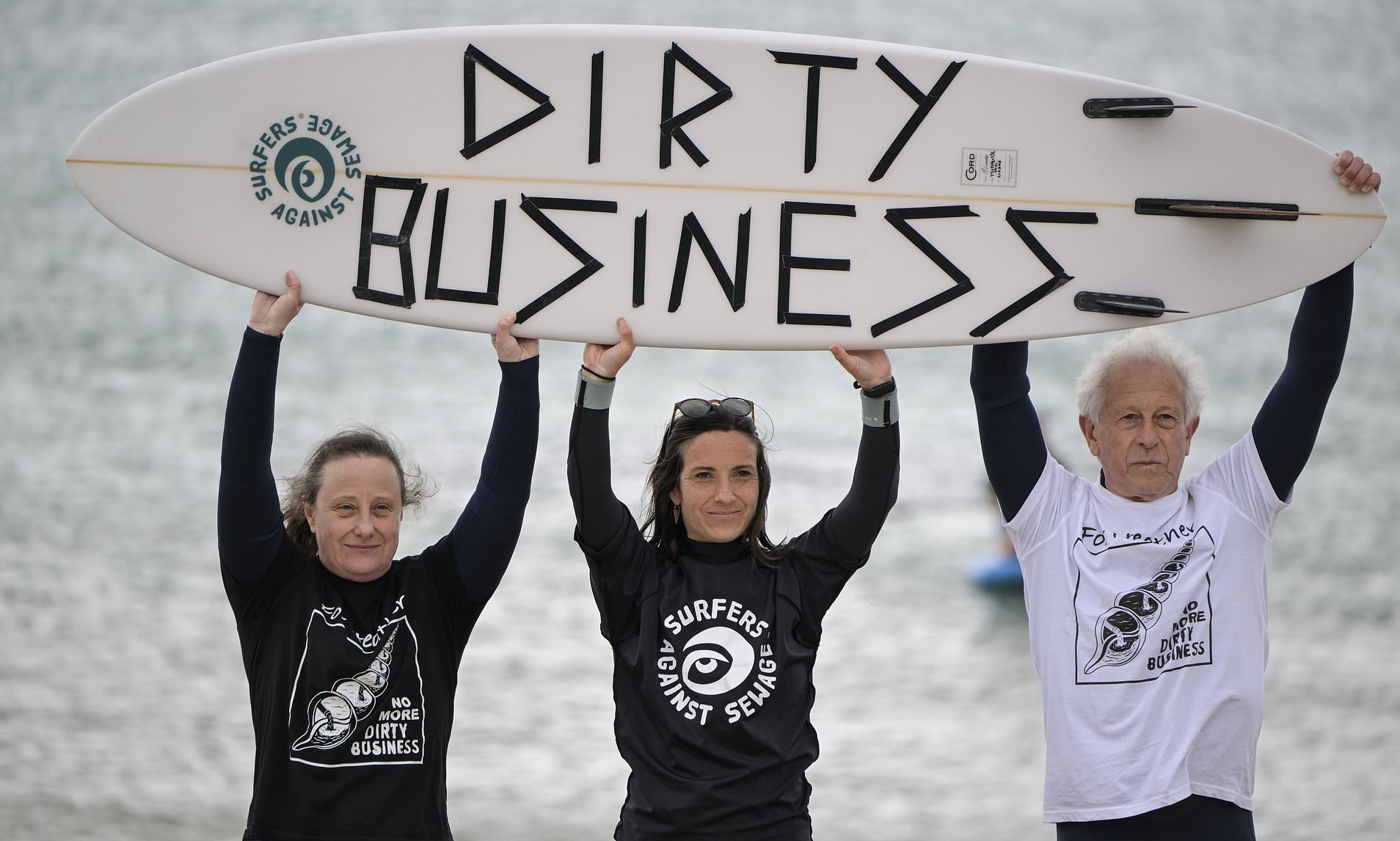
Water Companies Escape Prosecution Despite Sewage Pollution Promises
A highly publicised government initiative aimed at cracking down on water companies for discharging sewage into Britain’s waterways has yielded no new prosecutions in the past year, an investigation has revealed. Despite promises of a “largest criminal action against water companies in history,” not a single new charge has been laid by the Environment Agency (EA) for pollution incidents.
The crackdown, announced with fanfare by Labour minister Steve Reed a year ago, was heralded as a significant step towards holding water companies accountable for their environmental impact. At the time, Mr. Reed, then Environment Secretary, declared that 81 probes had been initiated into “serious and significant pollution incidents.” This announcement was accompanied by a press release with the headline: “Record 81 criminal investigations launched into water companies under Government crackdown.” He further asserted, “With this Government, water companies who break the law will finally be punished for their disgraceful behaviour.”
However, a recent examination of the EA’s performance, prompted by a Freedom of Information request, indicates a stark contrast between the initial pronouncements and the actual outcomes. Apart from seven cases that were already in the legal pipeline, the EA has not brought any new charges against water companies.
When questioned about its prosecution record, the regulator offered a defence that critics have likened to the bureaucratic evasiveness depicted in the satirical television series Yes Minister. The EA stated that “a significant or serious breach does not necessarily equate to a serious offence.” This statement suggests that while pollution incidents may be identified, they do not automatically meet the threshold for criminal prosecution. The agency also confirmed that “58 of these referenced investigations are still ongoing,” implying that many cases remain in limbo.
The slow pace of justice has drawn sharp criticism from environmental groups and opposition parties. Mark Lloyd, chief executive of The Rivers Trust, described the situation as “absolutely unacceptable that prosecutions for serious pollution incidents take so long.”
Freddie Van Mierlo, a Liberal Democrat MP, expressed his disappointment, stating, “The public were promised a tough new era of enforcement, yet a year on not a single new charge appears to have been brought.” Similarly, Giles Bristow, from Surfers Against Sewage, dismissed the government’s initiative as “nothing more than smoke and mirrors,” suggesting it was a public relations exercise rather than a genuine commitment to enforcement.
Despite these criticisms, the EA maintains its commitment to taking action. A spokesperson for the agency insisted, “We will always prosecute water companies for the most serious offences.” The Department for Environment, Food and Rural Affairs (Defra) echoed this sentiment, asserting, “After years of failure, this government has taken swift action to hold water companies to account.”
The government’s pledge to address the issue of sewage pollution has been a significant talking point, with a particular focus on holding water companies financially responsible for their actions. The scale of the problem is substantial, with reports indicating that sewage is being discharged into rivers and seas across the country for thousands of hours annually.
Key Issues and Criticisms:
- Lack of New Prosecutions: Despite 81 investigations being launched, no new prosecutions have been initiated by the Environment Agency in the past year, excluding pre-existing cases.
- Bureaucratic Defence: The EA’s explanation that a “serious breach does not necessarily equate to a serious offence” has been met with scepticism.
- Slow Pace of Investigations: Environmental groups highlight that lengthy investigation times are hindering accountability.
- Broken Promises: Opposition parties and environmental campaigners accuse the government of failing to deliver on its promises of a robust enforcement regime.
- “Smoke and Mirrors” Tactics: Critics argue that the crackdown is more about public perception than substantive action.
The government has outlined a plan to reform the water industry, including stricter regulations and increased penalties for polluters. However, the current lack of tangible enforcement action raises questions about the effectiveness of these measures and the government’s ability to deliver on its environmental commitments. The ongoing investigations and the slow progress towards prosecutions suggest that a significant shift in accountability for water companies may still be a long way off, leaving Britain’s precious waterways vulnerable to further pollution.