Severe Weather and Travel Disruptions Affect the UK
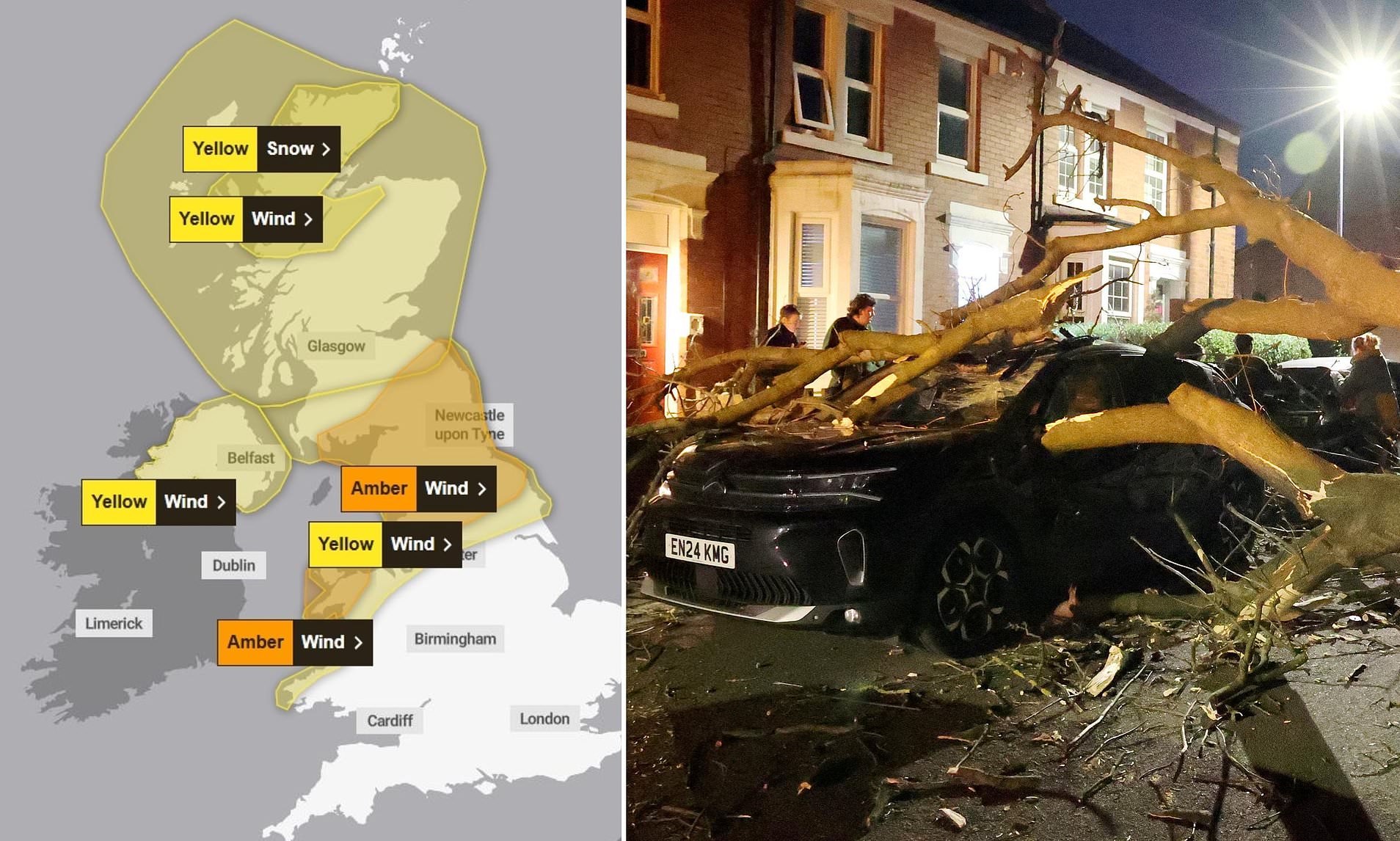
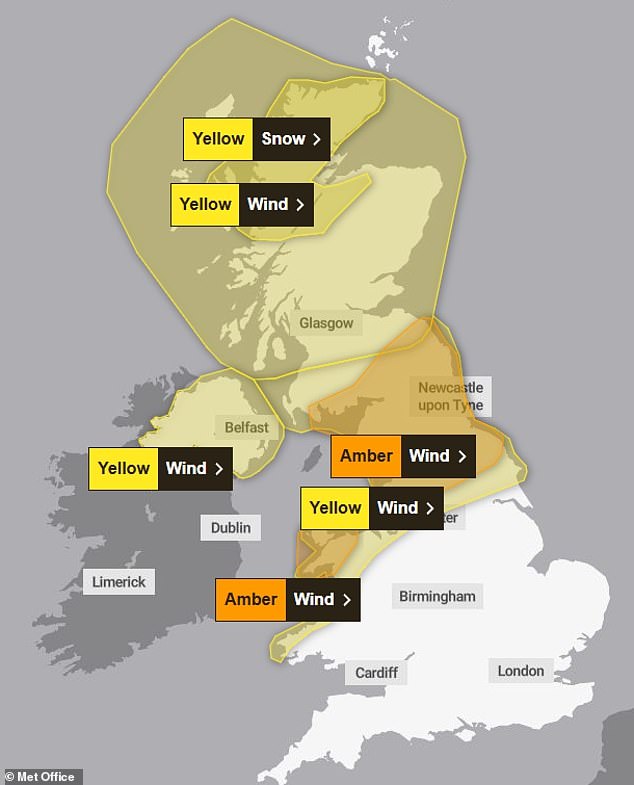
The Met Office has issued an Amber weather warning, signaling that Storm Dave is set to bring 90mph winds and even snow blizzards this weekend. This warning, which means “danger to life,” applies to the northern parts of the country, including Lancashire, North Yorkshire, Northumberland, north Wales, and Scotland. The storm will be in effect from 7pm today until 3am on Sunday, bringing heavy snow and gale-force winds.
Despite the harsh conditions, temperatures are expected to rise into the mid-20s next week, according to the Met Office. Greg Dewhurst, a meteorologist at the Met Office, explained that cold air currently covers Scotland, and as rain moves across the region, it will turn to snow. He noted that heavy snow could fall over the Highlands, with up to 20 to 30 centimeters on higher ground and 5 to 10 centimeters on lower ground.
After Easter Monday, warmer air from Europe is expected to move in, leading to temperatures in the low 20s. On Tuesday, the high could reach around 20°C or 21°C, with possibly 23°C or 24°C on Wednesday. However, the sunniest skies on Wednesday are likely limited to south-east England. Dewhurst added that mid-20s temperatures are typical for April as the sun becomes stronger.
The Met Office still has yellow severe weather warnings in place for wind across mainland Scotland, Northern Ireland, parts of northern England, and North Wales from Saturday evening into Sunday. There may also be dangerous conditions along the coastline due to large waves and gusts of up to 90mph in exposed areas. Storm Dave will hit hardest on Saturday evening, before beginning to weaken on Sunday as it moves into the North Sea.
Scotland’s First Minister, John Swinney, urged people to follow advice from authorities, noting the potential for “really quite challenging conditions” and encouraging people to stay safe. The Met Office predicted snow, wintry weather, and rain on higher ground in northern Scotland, with cars crushed by the storm in the northeast. Between 6pm and 12am, travelers have been warned of disruption on roads, rail, air, and ferry services.
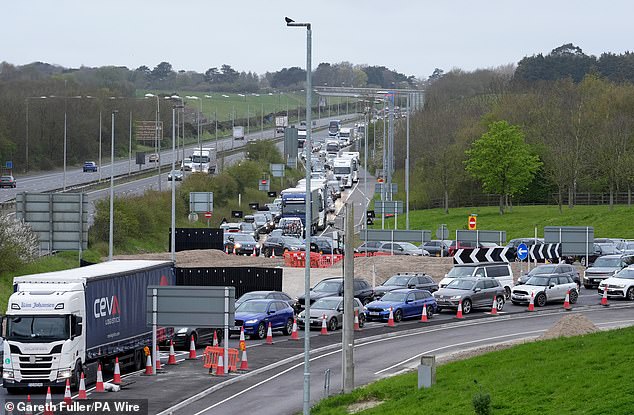
More yellow weather warnings have been issued across northern England, Wales, and Ireland for strong gusts and potential damage to buildings. As millions of Brits take to the roads for the holidays, the RAC predicts it to be the busiest Easter on highways since 2022. Two million Britons are estimated to travel overseas between Good Friday and Easter Monday, according to Abta.

In Scotland, drivers have been advised to check their journeys before setting off. George Fiddes from Transport Scotland emphasized that Storm Dave is a reminder of challenging weather conditions that can occur at any time of year. He urged people to plan ahead if they are traveling over the Easter period and to check their planned routes before departing.
Police have also urged HGV and bus drivers to exercise extreme caution when Storm Dave hits at the weekend. Meanwhile, railway travelers face disruptions as Network Rail carries out over 270 upgrade projects across Britain. Among the affected lines is the busiest railway line from London Euston to Milton Keynes, which has been shut down for six days starting Good Friday.
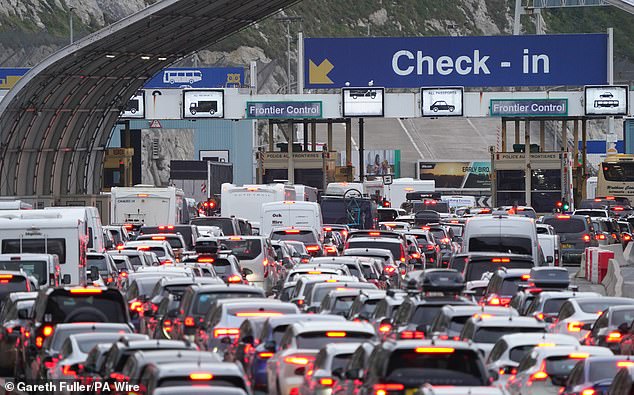
Network Rail Scotland noted that the worst-affected lines would be on the Ayrshire coast, the East Coast Main Line, and in the north-east. UK holidaymakers flying to EU countries have also been warned about delays, with the EU’s Entry Exit System causing waiting times of up to two hours at peak traffic times. EasyJet anticipates its busiest Easter yet with up to 16,000 flights departing from the UK over the two weeks.
The aviation industry faces additional challenges due to the war in Iran, which has disrupted jet fuel supplies. Tehran continues to block vital tankers passing through the Strait of Hormuz, causing flight prices to soar. Michael O’Leary of Ryanair mentioned that while the airline is reasonably well-hedged on 80% of its jet fuel, passengers could face disruptions from early May if the war continues.
Motorists have also been impacted, with Brent crude oil prices rising to around $109 per barrel following the US President’s speech on February 28. The average price of diesel at UK forecourts has increased by 29% to 184.2p per litre, while petrol prices have risen by 16% to 153.7p per litre. The AA advises drivers to reduce their speed by 20% to improve fuel efficiency and avoid continuous harsh braking.
Journey numbers are expected to remain high across the weekend, with Easter Sunday and Easter Monday seeing around 18.9 million trips.