Global Supply Chains Under Strain as Middle East Conflict Fuels Price Hikes
A confluence of geopolitical instability and logistical challenges is sending shockwaves through global supply chains, with Australian businesses and consumers bracing for significant price increases. The ongoing conflict in the Middle East has disrupted vital shipping routes and driven up fuel costs, forcing major logistics providers to issue stark warnings about impending price hikes.
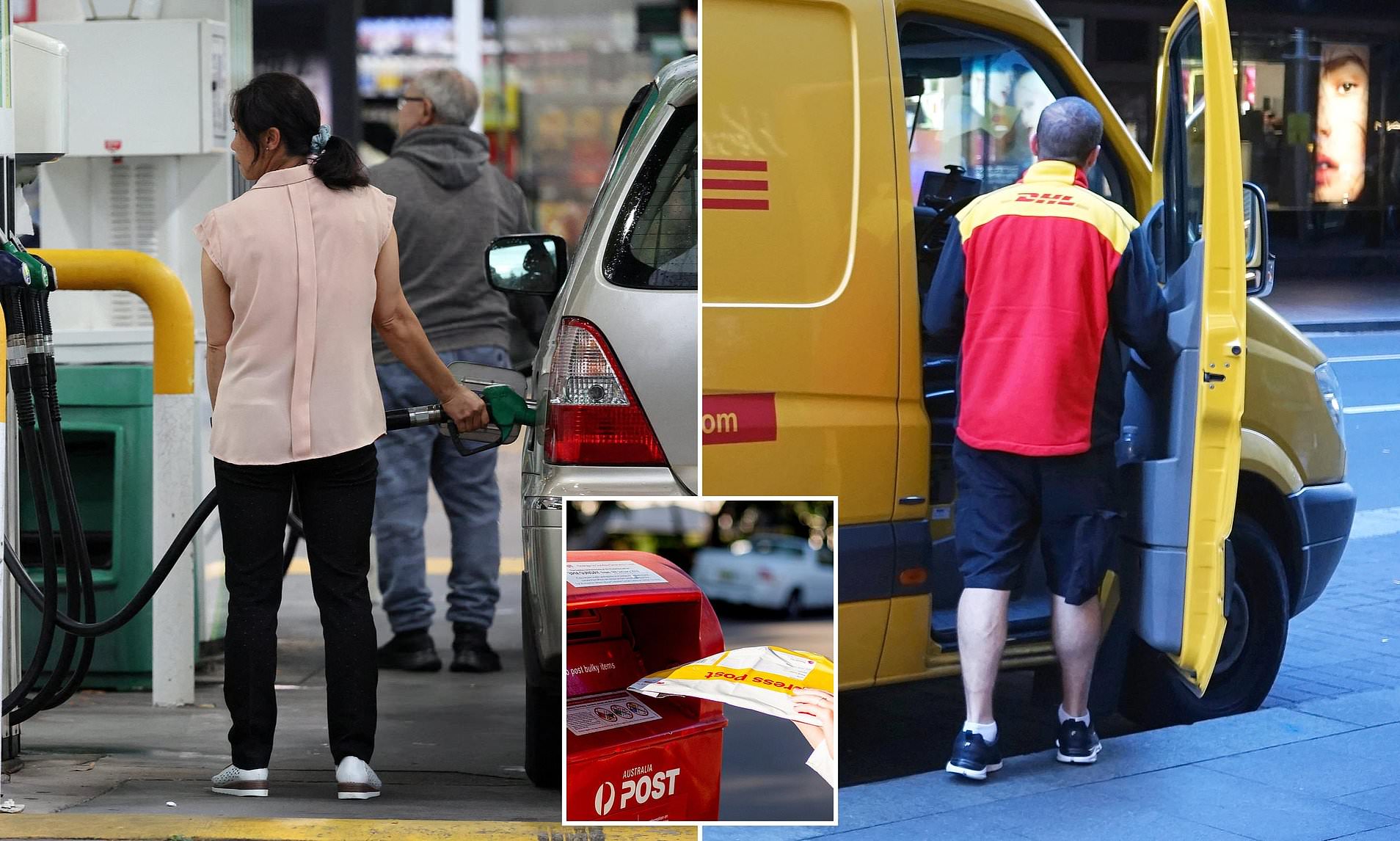
Global logistics giant DHL has communicated to its customers about “significant volatility” in international oil markets, directly attributing this to a “material increase” in fuel consumption costs. This situation is particularly acute for Australia, a nation heavily reliant on fuel imports. With only two domestic oil refineries, the country imports a substantial portion of its fuel from nations like South Korea and Singapore, which in turn depend on oil originating from the Middle East.
The Strait of Hormuz, a critical maritime chokepoint for global trade, has been effectively closed to commercial shipping. This closure has necessitated extensive diversions for vessels, leading to prolonged delays and a subsequent escalation in both fuel and insurance expenses.
The impact on air freight is equally concerning. DHL reports that air cargo operations are experiencing reduced and fluctuating capacities on a daily basis. These fluctuations are attributed to a complex interplay of factors, including direct attacks, fuel shortages, the implementation of new regulations, and evolving hub strategies by shipping companies.
Escalating Fuel Costs for Australian Businesses
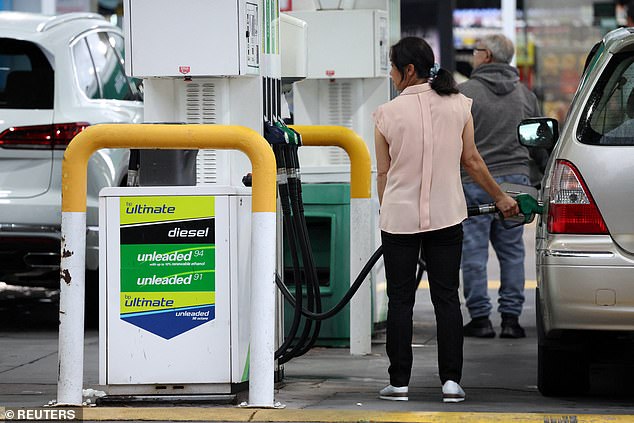
The immediate effects are being felt keenly within Australia. DHL’s communication to its clients highlights a dramatic surge in diesel prices. Following an initial spike of 5-10 per cent, diesel prices in Australia reportedly increased by a staggering 30-50 per cent in the second week of recent regional hostilities.
In a letter to its customers, DHL Supply Chain stated, “As you would be aware, the ongoing conflict in the Middle East has resulted in significant volatility in global fuel markets. This situation has already led to a material increase in the cost of fuel that DHL incurs – both directly and through our subcontractor network.”

To adapt to this volatile environment and maintain service reliability, DHL Supply Chain announced it would be shifting its fuel surcharge review process from a monthly to a weekly basis, effective March 23, 2026. This adjustment is intended to “reflect changes more accurately and transparently.”
Local Operators Face Difficult Decisions
The ripple effect is evident among local transport operators. Way2Go Transport, a Western Sydney-based logistics company, has been compelled to increase its fuel levy from 15.9 per cent to 27.5 per cent, a change that took effect this week. The company explained in a letter to its clients that “Due to the current fuel supply issues and significant increases in gate diesel prices, we are forced (into) adjusting our fuel levy again.” They further clarified that this adjustment reflects recent increases in terminal gate fuel prices and remains below industry benchmarks, which are calculated to be in excess of 30 per cent.
Manufacturing Sector Braces for Impact
The challenges extend beyond the logistics sector, directly impacting manufacturers. Ant Packaging, a plastics manufacturer based in NSW’s Northern Rivers region, anticipates the situation will worsen but is committed to absorbing rising costs for as long as possible. Owner John Clark expressed his concerns, stating, “I’m trying to avoid it as I don’t want to have to do it twice. It’s going to be brutal when we do it for our customers.”

Clark elaborated on the difficulties faced by the Australian manufacturing sector, noting, “We’re all in the same position as importers of plastics. Manufacturing in Australia didn’t have a great margin to start with. It’s only got harder.”
Broader Economic Concerns and Government Response
The economic implications of the Middle East conflict are significant. Australian Treasurer Jim Chalmers has cautioned that the ongoing hostilities could push inflation past the five per cent mark and that petrol prices might remain elevated for up to three years.
In response to these growing concerns, the government is convening a food security summit with business leaders. The summit aims to address the mounting pressure on operations from logistics companies, who are warning of the detrimental effects of escalating petrol and diesel prices. The interconnectedness of global trade means that disruptions in one region can have far-reaching consequences, underscoring the fragility of current supply chains and the need for strategic planning and resilience.