Massive Illegal Waste Dump Uncovered in Merseyside, Britain’s Largest to Date
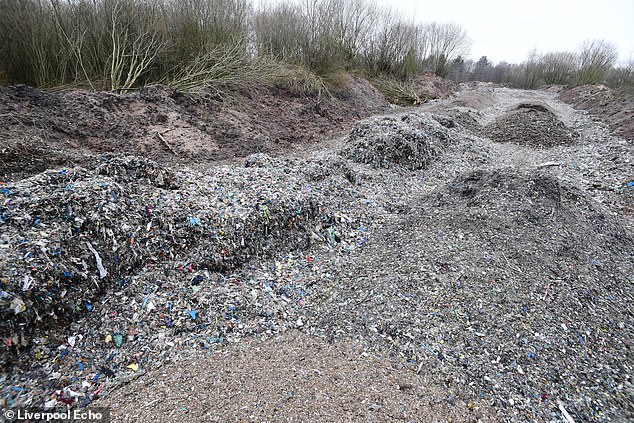
A colossal illegal waste dump, estimated to contain a staggering 30,000 tonnes of rubbish, has been discovered near Kirkby in Merseyside, prompting outrage and shock from local authorities. Members of Knowsley Council have expressed profound dismay and anger at the sheer scale of the operation, situated just off the M57 motorway. The site, described as a former bomb crater, is overflowing with refuse, with some waste spilling into a stagnant, dark-coloured reservoir. Nearby, towering piles of rubbish, some reaching six feet high, emit a putrid odour and visible smoke, painting a grim picture of environmental disregard.
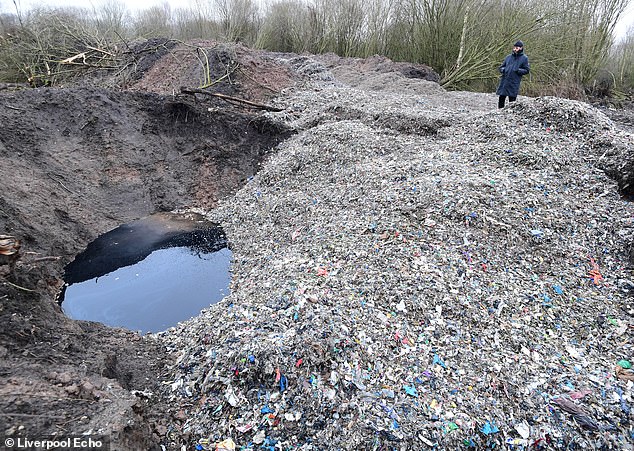
Initial observations suggest that much of the waste was deposited around November, when local residents reported observing diggers operating on the land without authorisation. The individuals responsible for this extensive fly-tipping operation have yet to be identified, but Merseyside Police have firmly committed to pursuing and prosecuting them once apprehended. In a swift response, the police, in collaboration with the Environment Agency (EA), have successfully shut down the site.
Local councillor Graham Morgan described the situation as “utterly horrendous,” voicing his fury at the “sheer contempt” shown by those responsible towards residents and the local environment. He stressed the urgent need for the perpetrators to be brought to justice. The sheer magnitude of the fly-tipping at this Kirkby location has led to it being considered arguably the largest illegal waste dump ever discovered in Britain. The extent of the mess is laid bare in numerous images, showing acres of compacted delivery routes laden with dirt, rubbish, and soil.
The discovery of this site was reportedly a matter of chance, stemming from a passer-by noticing significant construction activity on the land. When questioned, the workers claimed to be assisting with a nearby road project, a claim that has since been proven false. They subsequently vanished, taking their machinery with them.
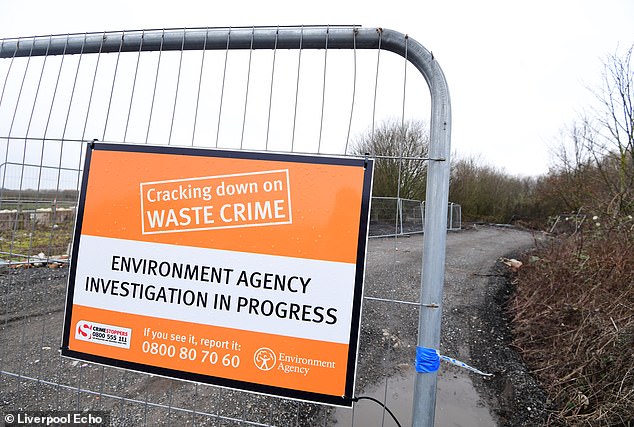
An Environment Agency spokesperson affirmed their commitment to tackling the issue, stating, “We took action with Knowsley Council and Merseyside Police to shut down access to this illegal waste dump and are hunting down those involved. The public should be assured that we will use all our powers to prosecute the criminals responsible.”
The Scope of Illegal Dumping in England
The Kirkby site is not an isolated incident, but rather one of 517 illegal dumps recorded across England. Of these, at least 11 are categorised as “super sites” due to their immense volume of waste, exceeding 20,000 tonnes each. Notable examples include a gargantuan 280,000-tonne site in Cheshire, two 50,000-tonne sites in Lancashire and Cornwall, and a 36,000-tonne dump in Kent. These illegal operations are typically found in rural areas, concealed within protected greenbelt land, and are often managed by organised criminal syndicates. These gangs exploit the system by undercutting legitimate waste disposal operators, charging significantly less to accept and bury waste illegally.
Arrests in Oxfordshire Mega-Dump Case
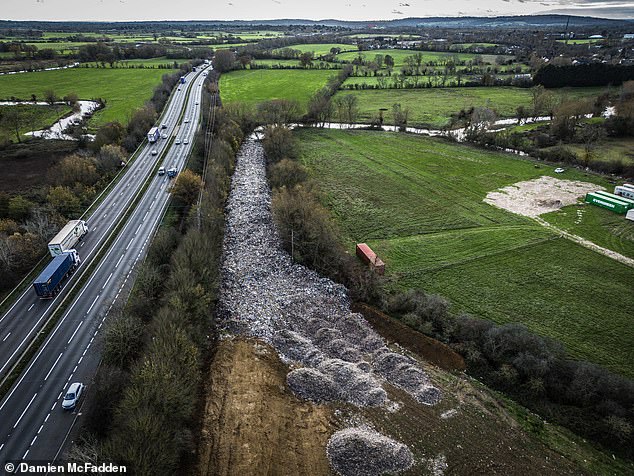
In a separate but related development, four men have been arrested in connection with a 21,000-tonne, 500-foot-long illegal waste site that emerged last year in Kidlington, Oxfordshire, causing considerable alarm among local residents. This enormous dump comprises processed domestic waste, including shredded plastics, polystyrene, and various other household materials. The sheer volume of illegally deposited waste, situated alongside the A34 and alarmingly close to the River Cherwell, has sparked widespread outrage and is projected to cost approximately £10 million to remediate.
The Environment Agency has declared a “critical incident” due to fears of contamination to nearby water sources. A 52-year-old man from Ashford, Surrey, was arrested recently and subsequently released on conditional bail pending further investigation. This followed the earlier arrests of two other men on suspicion of environmental and money laundering offences: a 69-year-old from Andover, Hampshire, and a 54-year-old from Slough. Both were also released on bail. A 39-year-old from Guildford, Surrey, was arrested in November in connection with the Kidlington site.
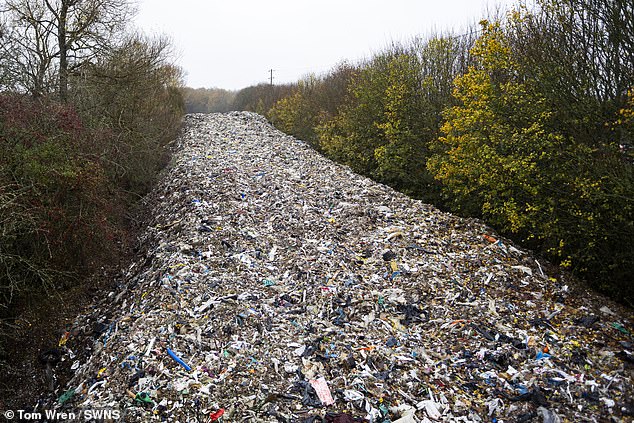
The Environment Agency first received reports of waste being tipped in Kidlington in early July of the previous year. By December, planning for the cleanup operation had commenced. The EA’s National Environmental Crime Unit, in conjunction with the South East Regional Organised Crime Unit and several police forces, is spearheading the investigation into the Oxfordshire site. A private waste clearance firm has been awarded a £9.6 million contract to manage the site over the coming year.
Environment Secretary Emma Reynolds condemned the Kidlington dumping as “completely and utterly unacceptable,” highlighting the significant environmental damage and community distress it has caused. She emphasised that the recent arrest is a crucial step towards justice and reiterated the government’s resolve to pursue all waste criminals. The UK is strengthening its efforts to combat waste crime through increased enforcement funding, the deployment of more officers, and the implementation of more stringent checks and penalties for offenders.
Newport: A Fly-Tipping Hotspot
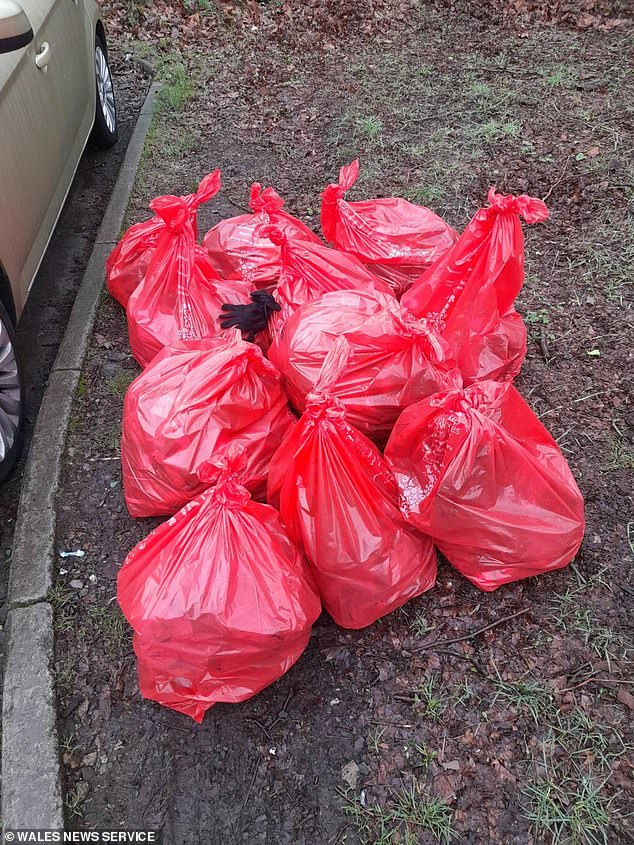
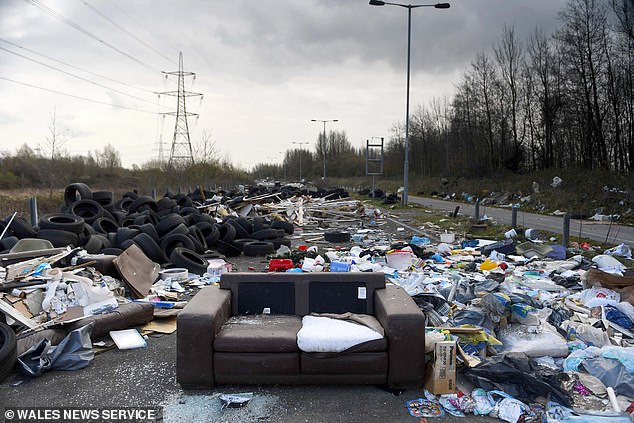
The Welsh city of Newport has also emerged as a significant hotspot for illegal waste dumping in recent times, with residents expressing their frustration and a sense of being overwhelmed by the persistent problem. Locals describe themselves as being “at war” with the filth that blights the countryside surrounding their homes. The city has earned the moniker of the fly-tipping capital of Wales, a consequence of the mountains of waste accumulating, leaving residents feeling compelled to undertake their own cleanup efforts.

Illegal rubbish dumping in Newport has seen an astonishing surge of 6,000 per cent over the past two decades. The detritus includes discarded refrigerators left on lay-bys, ovens dumped in trees, and even dead animals. One abandoned dual carriageway within the city has become a particularly notorious dumping ground. Residents report that trucks and lorries frequently arrive under the cover of darkness to dispose of their illicit cargo. The issue has been described as a “pandemic,” with some residents claiming that the rampant fly-tipping has made it impossible to sell their properties.
Zoey Newton-Karbautski Scott, a participant in weekly cleanup efforts in the Duffryn area of the city, stated that the problem is escalating. She described the ongoing nature of the dumping and burning of rubbish, noting that less-frequented areas make for easy targets. Newton-Karbautski Scott believes the problem has worsened since the COVID-19 pandemic, possibly due to the shift towards online booking for waste disposal rather than direct trips to depots. She expressed doubt about ever winning the “war on fly-tipping” and questioned the motivations behind the continuous dumping.
Newton-Karbautski Scott is involved with the Friends of Rabbit Hill group, aiming to raise awareness among neighbours and the wider public. She stressed the importance of educating children in schools, suggesting that the behaviour perpetuates into adulthood when teenagers witness others fly-tipping. The group advocates for greater understanding of the wrongfulness of such actions.
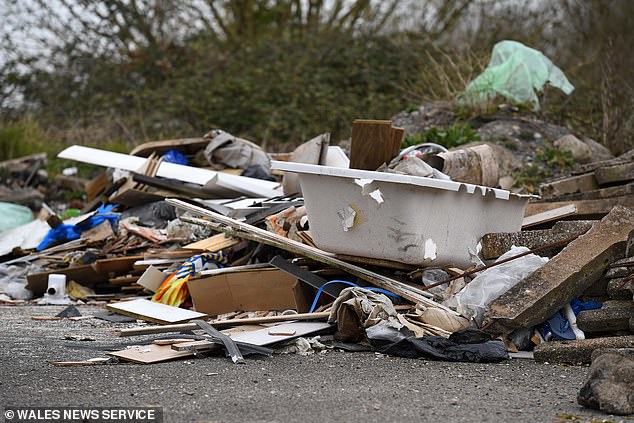
Ellen Law, 70, who claims fly-tipping has been an issue in the area since the 1990s, lamented the impossibility of selling her house due to the area’s notoriety for illegal dumping. She described witnessing the problem grow in real-time as “heartbreaking” and noted the transformation of fly-tipping from an unusual occurrence to the norm, expressing sadness for the impact on local wildlife.