From Factory Floor to Chart-Topping Tenor: Russell Watson’s Financial Journey
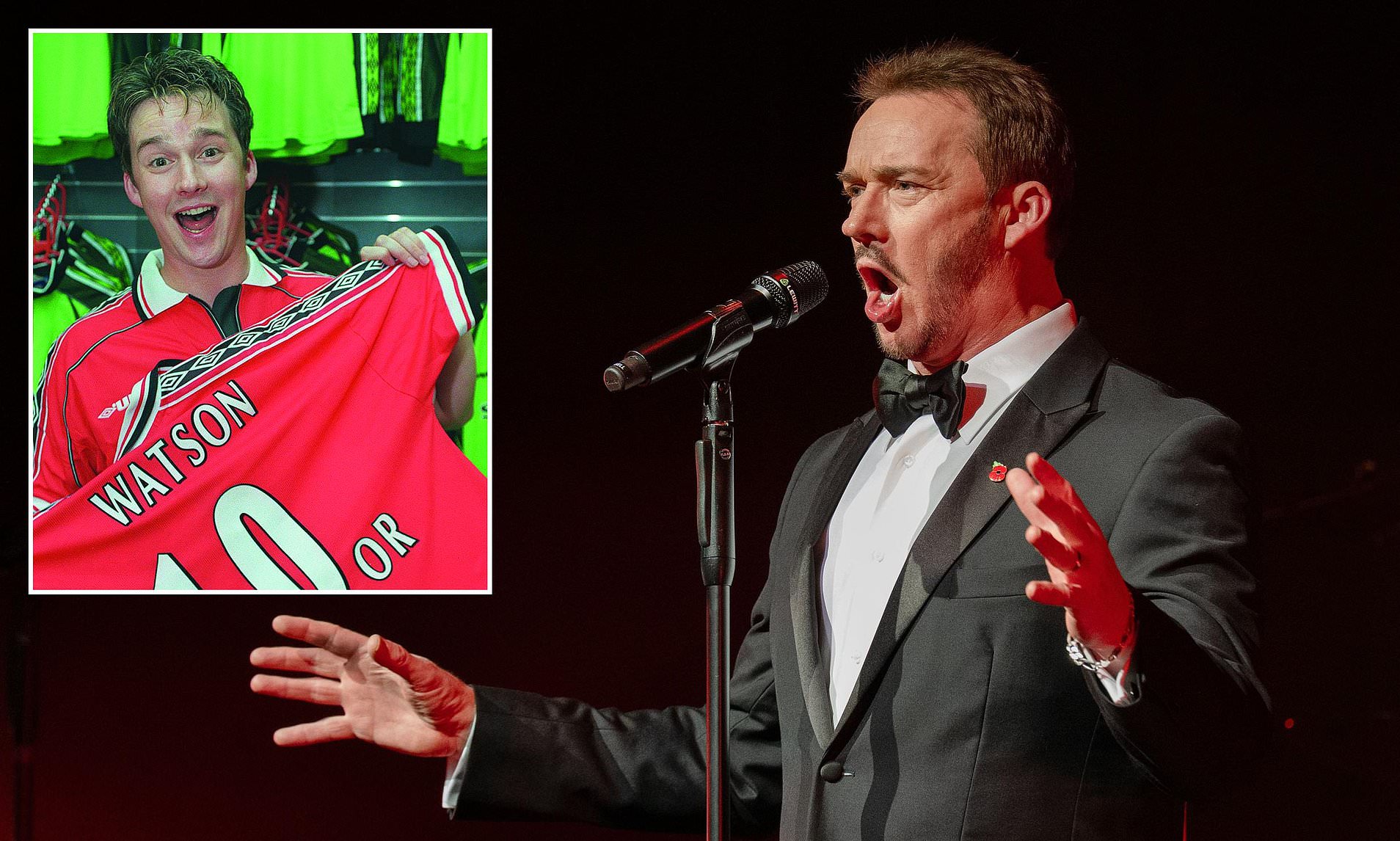
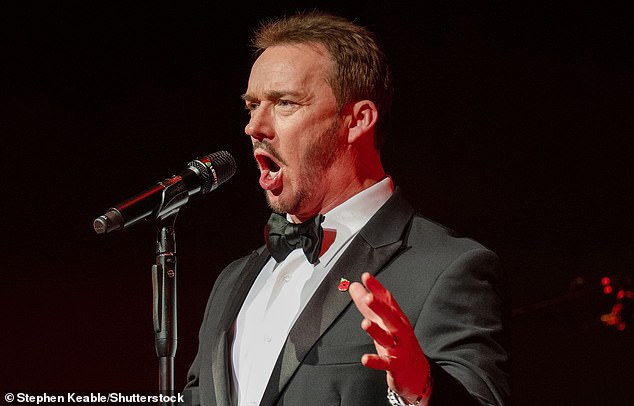
Russell Watson, the internationally acclaimed tenor whose voice has captivated millions, has a remarkable story that extends far beyond the concert hall. From the monotonous hum of a factory production line to the dizzying heights of global music stardom, his journey is a testament to talent, perseverance, and a surprisingly grounded approach to finances. With over seven million records sold and a string of prestigious awards, Watson’s rise to fame, particularly following his 2000 breakthrough album “The Voice,” has cemented his status as a beloved figure in classical-pop crossover music.
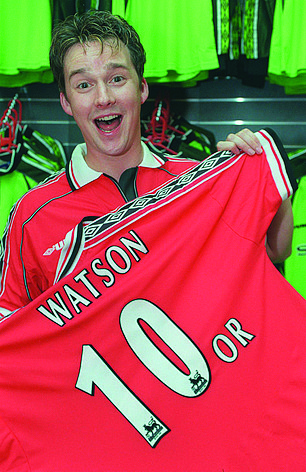
His big break, a pivotal moment in his career, arrived in 1999 when he was invited to perform at Old Trafford, the hallowed ground of his cherished Manchester United. This initial performance led to an even more prestigious opportunity: singing at the Champions League final. Now a father of two daughters and residing in rural Cheshire with his wife Louise, Watson reflects on the financial lessons learned throughout his life.
Childhood Lessons: Shielded but Aware
Watson’s formative years were shaped by parents who, while not wealthy, ensured their children were shielded from financial anxieties. His father, Tim, worked as a welder, and his mother, Nola, had a role at Woolworths before raising Russell and his sister. The family lived modestly, but the children were largely unaware of any financial struggles.
“The closest I got to being aware of it was around my birthday, November 24,” Watson recalls. “Being pretty close to Christmas, I often heard the words: ‘If you want a big present, you can have it as a joint birthday and Christmas present,’ which was fine.” The overarching lesson from his parents was clear: “Don’t let money issues spill over into family life.”
The Gruelling Grind of the Production Line
After completing his engineering studies on a Youth Training Scheme in the mid-1980s, which provided a modest £25 per week, Watson embarked on a career that was the antithesis of his musical aspirations. His first long-term job was at Sabre Repetition, a role he describes as “singularly the most boring job around.” For six to seven years, he endured 12-hour shifts on a relentless production line, hammering bolts. This demanding work paid approximately £90 a week.
A Serendipitous Pub Performance
Watson’s entry into the music industry was as unexpected as it was impactful. While enjoying a few drinks with mates at the Railway Inn pub in Salford, he was spurred on by his friends to enter a “Search For A Star” competition. He performed a song on stage, almost forgetting about it by the end of the night. To his astonishment, he was announced as the winner.
This initial victory propelled him into a semi-final and then a final, which was broadcast live on Piccadilly Radio. Winning the competition marked a turning point. “The next thing I knew, I quit the factory and signed with a local agent, Dave Oakfield, initially for £55-a-gig, minus his 7 per cent cut,” Watson explains. This was in 1990, and he continued to perform in clubs and pubs until his debut album achieved number one status in 2000.
Navigating the Recessions and Financial Hardship
The mid-1990s recession presented a significant financial challenge for Watson. Soaring interest rates saw his mortgage payments quadruple to £420 per month. “Every penny I earned after food, gas and water went on the mortgage,” he states. Compounding the issue, work became scarce as people cut back on entertainment. His regular gigs, once three or four a week at £75 each, dwindled to perhaps one, if he was lucky.
A Life-Changing Turnaround
Despite the financial struggles, a remarkable turnaround occurred in 1999. At a time when he was grappling with mounting debt, including £9,000 on finance and multiple county court judgments, leading to frequent visits from bailiffs, Watson secured his first record deal. The deal was worth approximately £100,000, a sum that allowed him to clear his debts in one fell swoop. “I was able to walk into the bailiff’s office with a cheque for the lot,” he reflects.
Earning Potential and Splurges
While Watson acknowledges receiving “very impressive” payments for certain gigs, he points to his extensive tours as the primary source of his income. His most extravagant purchase for enjoyment was a McLaren 650S, acquired for £250,000 a decade ago. Despite contemplating selling it, he remains attached to the supercar, which he primarily uses for special occasions, having only driven around 7,500 miles.
The Best Decision: A Cheshire Farmhouse
Without hesitation, Watson identifies the purchase of his house in Wilmslow, Cheshire, in 2008 as his best decision. He later sold this property, which had appreciated significantly in value, and moved to a farm outside Congleton, also in Cheshire. This new rural retreat offers breathtaking views of rolling green fields and Bosley Cloud. Though his daughters, Rebecca and Hannah, have moved out, the property is far from quiet, housing a menagerie of animals including four dogs, two cats, a parrot, goats, sheep, alpacas, horses, chickens, and even an ostrich.
Property Portfolio and Spending Habits
Currently, Watson does not own any other properties. While he and his wife occasionally consider acquiring additional real estate, they are mindful of mixed experiences shared by friends who have found second properties to be a significant hassle. Watson adopts a balanced approach to his finances, influenced by his grandmother’s advice to “enjoy it while you’ve got your youth.” However, he has also ensured his assets are protected and has a pension in place.
A New Perspective After Health Scares
Watson’s health battles, including two brain tumours in 2006 and 2007, profoundly impacted his outlook, particularly concerning his desire for a dream car. A lifelong James Bond fan, he had always wanted an Aston Martin DB7 but hesitated, feeling it might appear ostentatious. Following the removal of his first brain tumour, which unfortunately regrew, haemorrhaged, and necessitated emergency surgery and radiotherapy, he finally purchased the DB7. The car sat on his driveway for nearly a year, serving as a symbol of hope and recovery. “I had nearly died, so I did treat myself,” he admits, though he maintains his general attitude towards money remained unchanged.
Financial Priority: Maintaining the Present
Watson’s primary financial priority is to maintain his current lifestyle and security. He asserts that if his work were to cease and he had to sell his properties and cars, he would be content with a simple life, akin to his upbringing, as long as he is surrounded by his loved ones.