A Journey Through Family History
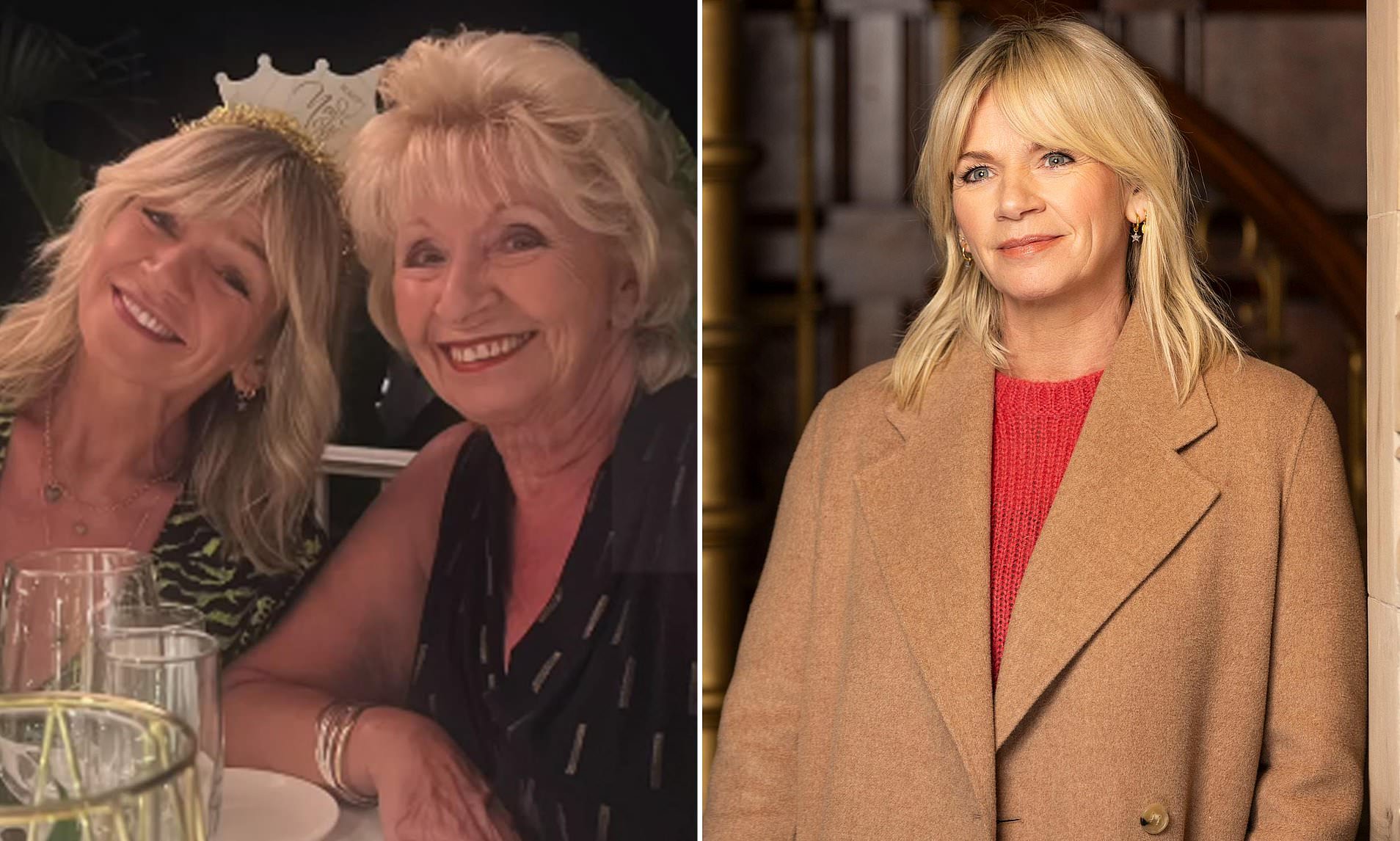
Zoe Ball, a prominent figure in British broadcasting, has enjoyed a successful career as one of the BBC’s most well-known presenters. Her journey from a coalminer’s daughter to a household name is a story of resilience and determination. However, her recent exploration into her family history reveals a stark contrast between her life and that of her grandmother, Margaret “Peggy” Minto.
The Life of a Forgotten Woman
Peggy Minto, Zoe’s grandmother, was born into a working-class family and worked as a domestic servant for wealthy families from a young age. Despite her humble beginnings, Peggy had grand aspirations and often told elaborate stories about herself. These fantasies eventually led to her being committed to a mental hospital due to acute mania after being arrested for shoplifting in 1963 at the age of 50.
During her time in the hospital, Peggy underwent treatments such as electroconvulsive therapy. She continued to fabricate stories even while receiving treatment, including a letter she wrote claiming to have won a legal battle against Woolworths and promising to take friends on an all-expenses-paid trip to Norway.
Emotional Revelations
In an emotional episode of the BBC’s Who Do You Think You Are?, Zoe delves into her grandmother’s past and confronts the challenges Peggy faced. She reflects on how Peggy’s experiences shaped her own life and the contrasts between their paths. Zoe, who once earned over £1 million a year with the BBC, expresses a mix of fascination and sorrow as she learns about Peggy’s struggles.
Zoe recalls how Peggy became depressed after raising Julia, her daughter, alone while her husband, Bill, lived on the other side of the country with their two other daughters. This separation left Peggy feeling isolated and overwhelmed, leading her to create extravagant stories and financial difficulties.

A Legacy of Love and Struggle
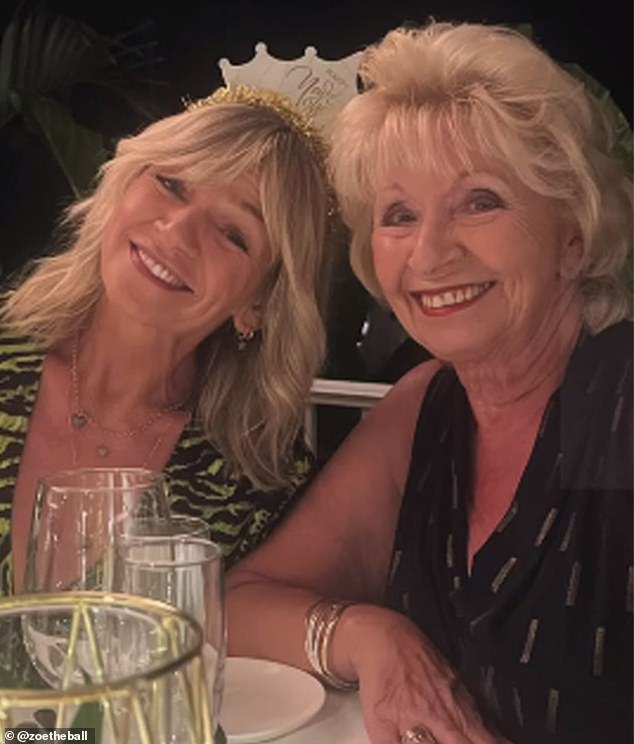
Despite the hardships, Peggy’s letters reveal a deep love for her family. One letter shows her knitting jumpers for Julia, highlighting her caring nature. Zoe was moved by these letters and expressed relief that Peggy was able to be a mother and a grandmother.
Zoe never met Peggy, as her parents divorced when she was two, and she was raised by her father, Johnny Ball. She only reunited with her mother, Julia, when she turned 18. Peggy passed away in 1979 at the age of 66, leaving behind a legacy of struggle and resilience.
Reflections on Family and Identity
Zoe’s journey through her family history has been both enlightening and emotional. She acknowledges the differences between her life and Peggy’s, yet finds comfort in the connections they share. Her experience highlights the importance of understanding our roots and the impact of family history on our identities.
Through this exploration, Zoe not only gains a deeper appreciation for her grandmother but also finds closure in the stories that shaped her family. Her journey serves as a reminder of the strength and complexity of human experiences, and the enduring bonds that connect generations.
Conclusion
Zoe Ball’s story is a testament to the power of family history and the lessons it can teach us. By uncovering the truth about her grandmother, Zoe gains a new perspective on her own life and the challenges faced by those before her. Her journey is a powerful reminder of the importance of understanding our past to better navigate our future.