Unveiling Shadowy Wealth: Thousands of UK Properties Evade Scrutiny Amidst Anti-Money Laundering Rule Flaws
A significant loophole in the UK’s crackdown on illicit finance appears to be allowing thousands of high-value properties to remain in the shadows, with their true beneficial owners hidden from public view. Experts suggest this widespread evasion represents a substantial breach of new anti-money laundering regulations, potentially facilitating the parking of ill-gotten gains and the circumvention of international sanctions.
The Economic Crime Act, enacted in March 2022 following Russia’s invasion of Ukraine, mandated that foreign owners of UK real estate must disclose the “beneficial owner” of their properties by January 31, 2023. A beneficial owner is defined as any individual who owns or controls an overseas company holding property within Britain. This legislation was intended to enhance transparency and deter criminals and sanctioned individuals from using London’s property market to launder money or stash wealth.
However, recent research indicates that the law may be falling short of its objectives. A detailed examination of Land Registry data for nearly 98,000 properties registered to offshore companies in England and Wales revealed a startling reality: the ultimate beneficial owners of approximately 43,401 of these properties, a figure representing about 44% of the total, could not be identified.


The investigation by Tax Policy Associates, a UK-based think tank, found that in these cases, property owners had either failed to register at all, registered but claimed no beneficial owner, or listed another offshore company or a trust as the owner. While acknowledging that some legitimate entities may not have a single identifiable beneficial owner, the think tank’s director, Dan Neidle, a former tax lawyer, believes a considerable portion of these non-disclosures are intentional.
“Some of this will be accidental, but the evidence suggests that a significant proportion is intentional,” Mr. Neidle stated. “Some people are just not registering. Others are registering offshore companies as beneficial owners, rather than the individuals who really control the property. And over a fifth of all properties are held by trusts that fail to declare the true owner.”
The implications of such widespread opacity are concerning. Mr. Neidle suggests that these hidden ownership structures could be exploited for money laundering or to bypass sanctions regimes. Furthermore, he posits that some owners might be deliberately obscuring their identities to evade capital gains tax liabilities when they eventually sell their properties. “It’s very important we get to grips with this, from a tax evasion perspective as well as the more obvious sanctions-busting and money-laundering ones,” he emphasised.
Geographical Hotspots of Hidden Ownership
The analysis also highlighted specific geographical areas and jurisdictions that are disproportionately represented among properties with undisclosed beneficial owners.
-
Top Jurisdictions for Offshore Structures:
- Jersey: This self-governing, low-tax Crown dependency emerged as the most common location for offshore entities holding English and Welsh property. A total of 3,234 properties linked to Jersey were found to have no declared beneficial owner.
- British Virgin Islands (BVI): Following Jersey, the BVI accounted for 1,165 properties with undisclosed owners.
- Isle of Man: This Crown dependency had 753 properties with hidden beneficial owners.
- Guernsey: Another Crown dependency, Guernsey, was linked to 685 such properties.
-
Nations with Highest Non-Disclosure Rates:
- Saudi Arabia: This nation exhibited the highest proportion of non-disclosure, with 234 out of 252 associated properties (92.9%) failing to list a beneficial owner.
London’s Dominance in Opaque Property Holdings
The research underscored London’s central role in this phenomenon, with the capital accounting for a staggering £107 billion of the £188 billion total value of properties in England and Wales where owners have not been properly declared. Many of these properties are residential, often held within trusts.
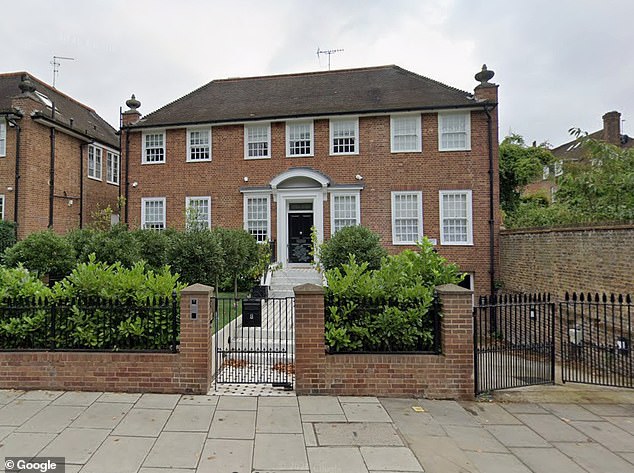
The report also cited several high-profile examples of expensive properties acquired by offshore entities:
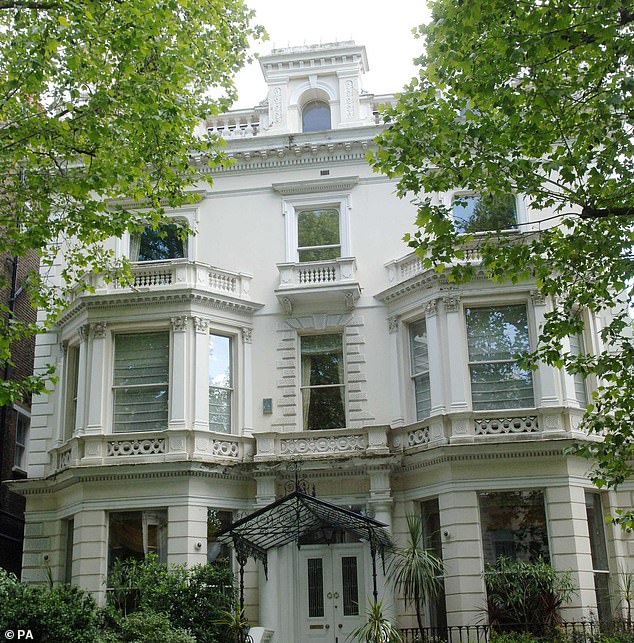
- Holland Park Mansion: The former residence of Richard Branson, acquired for £53 million in 2016 by a BVI company.
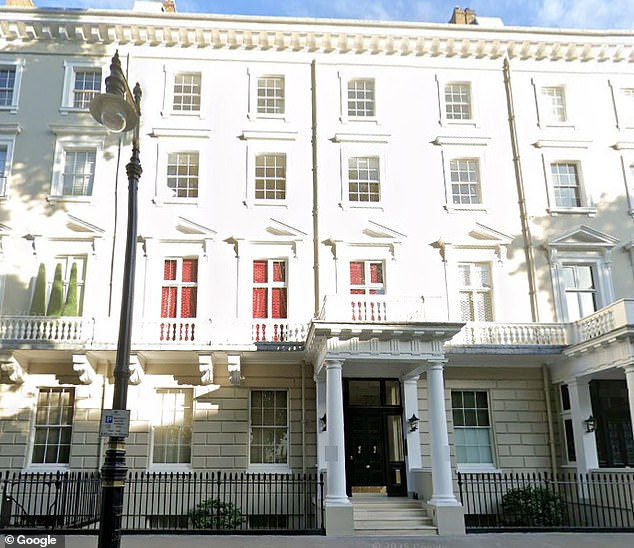
- Mayfair Apartment: Purchased for £21 million in 2016 by a Bahamas-registered company, with the beneficiary listed as a Cayman Islands trustee.
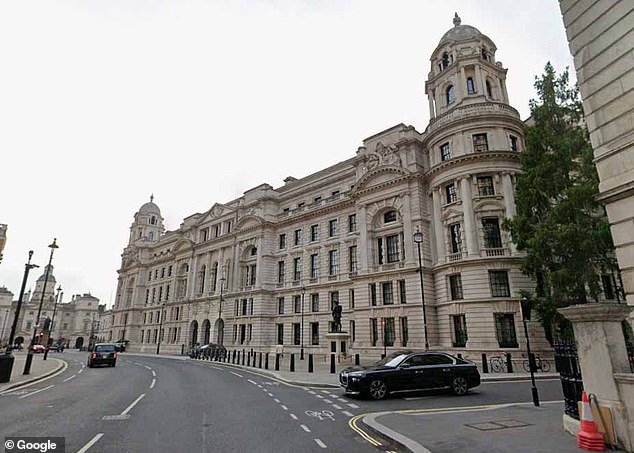
- Horse Guards Avenue Apartment: Sold for £21 million in 2023 to a Cypriot company. The beneficiaries are identified as individuals working for Cypriot firms, acting on behalf of an unknown person.
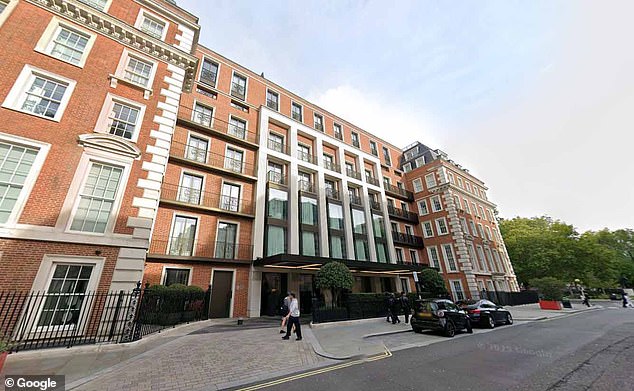
- Second Mayfair Apartment: Bought for £20 million in 2021 by an Isle of Man company, with an Isle of Man trustee company listed as the beneficiary.
- Belgravia Property: Acquired for £16 million in 2017 by a BVI company, with a Singapore-based corporate trustee as the registered beneficiary.
It is important to note that the report explicitly states there is no suggestion of wrongdoing associated with these specific properties.
Government Response and Enforcement
In response to the findings, a government spokesperson stated: “We will look at this report carefully as part of our commitment to fighting illegal financial activity through the Register of Overseas Entities. Companies House can issue warning notices and impose financial penalties on overseas entities that fail to register or comply with ongoing requirements, and these entities are prevented from selling, leasing or raising finance over their land until they comply.” The commitment to enforcement and penalties suggests a recognition of the challenges in fully implementing the new regulations and a resolve to address non-compliance.