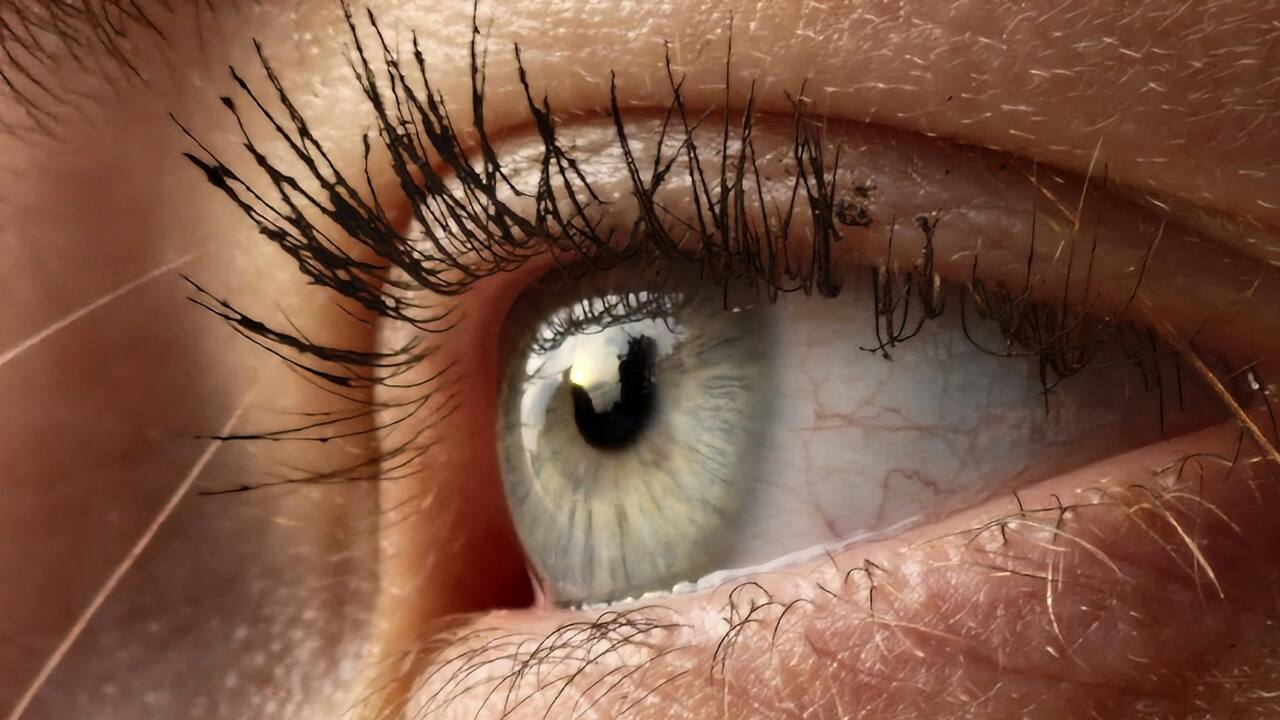
Eye floaters – those annoying little specks, dots, or stringy shapes that drift across your vision – are a common experience for many. They appear when tiny clumps of gel or cells within the vitreous, the jelly-like fluid filling your eyeball, cast shadows onto the retina. While usually benign, in rare instances, these visual disturbances can signal a more serious underlying eye condition, such as retinal detachment or inflammation.
Several factors can contribute to the development of floaters. Ageing is a primary culprit, as the vitreous gel naturally changes over time. Trauma to the eye, myopia (nearsightedness), and complications following eye surgery or inflammation can also be triggers. Furthermore, modern lifestyle choices, including extended screen time, dehydration, and general eye strain, can exacerbate their visibility. Understanding the root causes is the first step in managing and potentially preventing these bothersome visual interruptions.
As Dr Shagun Juneja, an Ophthalmologist at Drishti Eye Care Clinic in Mumbai, explains, “Most floaters are harmless and do not require treatment. But sudden upticks in floaters, flashes of light or loss of peripheral vision should provoke a quick check-up.” Fortunately, the intensity of floaters can often be reduced through simple adjustments to your lifestyle, diet, and by incorporating specific eye care practices. The good news is that with a bit of proactive care, most individuals can minimise the appearance of floaters and maintain healthy eyes without resorting to medication or surgical interventions.
Understanding the Causes of Floaters
At their core, floaters are a consequence of changes within the vitreous gel. As we age, this gel can gradually shrink and form small clumps. These clumps, as they move within the eye, cast shadows on the retina, which we perceive as floaters. Beyond the natural ageing process, other contributing factors include:
- Eye Injury: Direct trauma to the eye can disrupt the vitreous.
- Inflammation: Conditions causing inflammation within the eye can lead to the formation of floaters.
- Nearsightedness (Myopia): Individuals with myopia are more prone to developing floaters.
- Post-Surgical Complications: Certain eye surgeries can sometimes result in the appearance of floaters.
When Floaters Signal a Warning
While most floaters are harmless, it’s crucial to be aware of warning signs that might indicate a more serious issue. Seek immediate medical attention if you experience:
- Sudden Onset of Numerous Floaters: If you suddenly notice a significant increase in the number of floaters.
- Flashes of Light: The presence of persistent flashes of light in your vision.
- Vision Loss: A noticeable loss of vision, particularly in your peripheral (side) vision.
These symptoms could be indicative of retinal detachment or bleeding within the eye, both of which require prompt medical assessment and intervention.
Strategies for Managing and Reducing Floaters
Fortunately, a proactive approach can significantly help in managing floaters and improving overall eye health.
1. Stay Hydrated
Maintaining adequate hydration is fundamental to the health of your vitreous fluid. Drinking enough water daily can help slow down its concentration and the formation of floaters. Aim for consistent fluid intake throughout the day.
2. Incorporate Gentle Eye Exercises
Specific eye movements can help shift floaters out of your direct line of sight. Try gently moving your eyes up and down, and then side to side. Regular, gentle eye exercises can also reduce overall eye strain and improve circulation within the eyes.
3. Minimise Digital Screen Time
Prolonged exposure to digital screens can exacerbate eye fatigue and make floaters more noticeable. Adhering to the well-known 20-20-20 rule can be highly beneficial: every 20 minutes, take a break to look at something 20 feet away for at least 20 seconds. This simple practice helps relax your eye muscles and can make floaters less distracting.
4. Adopt a Diet Rich in Eye-Friendly Nutrients
Your diet plays a vital role in maintaining eye health. Nutrients like antioxidants (vitamins A, C, and E) and omega-3 fatty acids are crucial for the health of your vitreous humor and can even help delay its deterioration. Incorporate these into your meals:
- Leafy green vegetables (e.g., spinach, kale)
- Nuts and seeds
- Fish rich in omega-3 fatty acids (e.g., salmon, mackerel)
5. Prioritise Adequate Sleep
Rest is essential for your body’s natural healing processes, including those of your eyes. Getting enough quality sleep helps alleviate eye strain, which can otherwise make floaters more prominent.
6. Avoid Smoking and Excessive Alcohol
The toxins present in cigarette smoke and excessive alcohol consumption can be detrimental to eye health. These habits can not only contribute to floaters but may also lead to other more serious eye conditions.
7. Gentle Eye Massage
Some individuals find that gently massaging the area around their eyes can temporarily shift floaters out of their direct line of sight. It’s important to perform this with extreme caution, ensuring no direct pressure is applied to the eyeball itself.
Frequently Asked Questions About Eye Floaters
-
What exactly are eye floaters?
Eye floaters are those small spots, specks, or thread-like structures that you see drifting in your field of vision. -
Are floaters generally harmful?
In most cases, floaters are harmless and don’t require any specific treatment. However, a sudden increase in their number, the appearance of flashes of light, or a loss of peripheral vision warrants a prompt medical evaluation. -
What are the common causes of floaters?
The primary causes include ageing, trauma to the eye, nearsightedness, and complications arising from surgery or inflammation. -
How can I reduce the appearance of floaters?
Several lifestyle adjustments can help, including staying well-hydrated, performing regular eye exercises, limiting screen time, consuming a nutrient-rich diet, ensuring sufficient sleep, avoiding smoking and excessive alcohol, and using gentle eye massage techniques. -
When should I seek professional medical advice for floaters?
You should consult a doctor immediately if you experience a sudden surge in floaters, notice persistent flashes of light, or observe any loss of peripheral vision, as these could be signs of a serious eye condition.