Rising Lassa Fever Outbreak in Nigeria
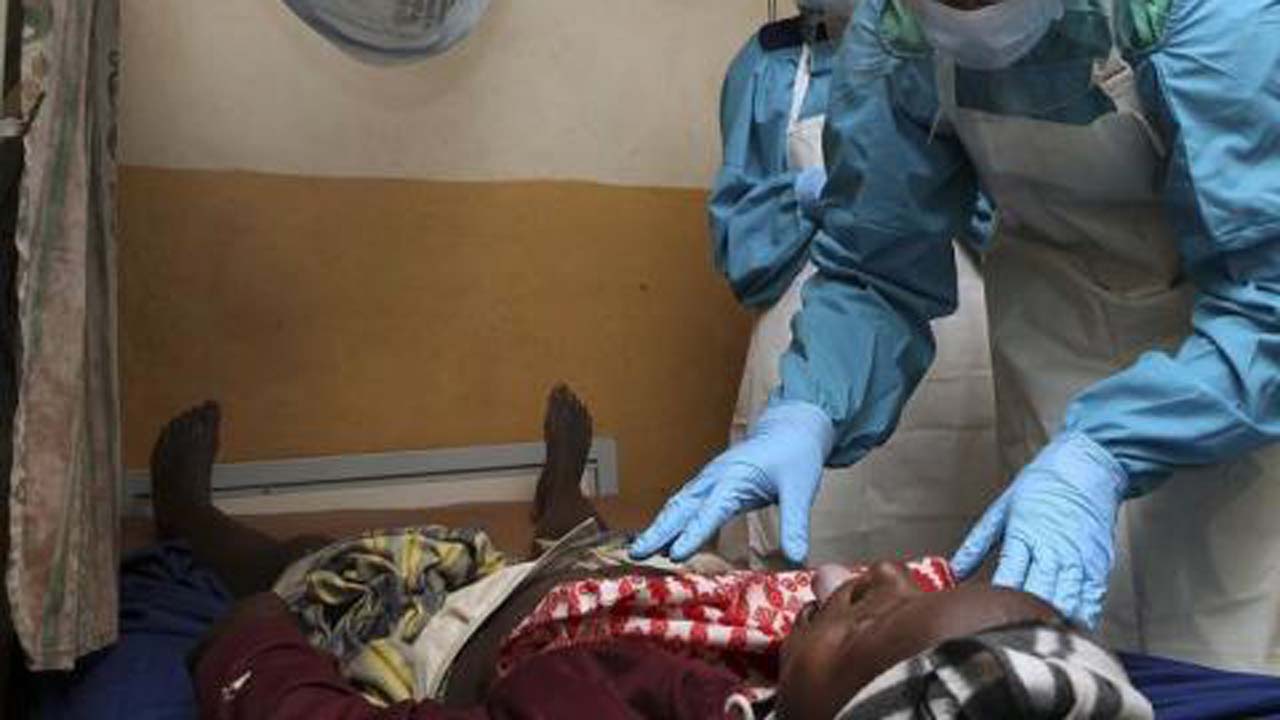
Nigeria is currently facing a severe Lassa fever outbreak, with alarming increases in both cases and deaths. The situation has raised concerns among public health experts due to the rising fatality rate and the spread of the disease across multiple states.
According to the latest data from the Nigeria Centre for Disease Control and Prevention (NCDC), over 500 confirmed cases and 146 deaths have been recorded between January and mid-March. This represents a significant increase compared to previous years, with a case fatality rate (CFR) of 25.1%, which is higher than the 18.7% observed during the same period in 2025. The rise in fatalities highlights the challenges in managing this disease, despite ongoing efforts to control it.
The NCDC also reported that at least 38 healthcare workers have been infected during the current outbreak, with three deaths recorded. This underscores the risks faced by frontline workers and points to weaknesses in infection prevention systems within healthcare facilities.
Widespread Transmission Across Multiple States
The outbreak is not limited to one region but has spread across several states, including Bauchi, Ondo, Taraba, Plateau, Edo, Benue, Kogi, Gombe, and Niger. During the reporting week, confirmed cases increased sharply from 40 in week 10 to 66, indicating sustained transmission rather than isolated outbreaks.
Cumulatively, 21 states and 82 local government areas have recorded at least one confirmed case in 2026, showing the geographic reach of the disease. Public health experts warn that this widespread transmission poses a significant challenge to containment efforts, especially given the limitations in the healthcare system.
Severe Outbreaks in Bauchi and Taraba
The national figures are being driven by severe outbreaks in Bauchi and Taraba states, where outcomes differ but reflect similar systemic weaknesses.
In Bauchi, Médecins Sans Frontières (MSF) reported 311 confirmed cases and 68 deaths between October 1, 2025, and March 23, 2026, resulting in a CFR of about 21.9%. Despite this, MSF continues to expand its efforts in early diagnosis, treatment, and community outreach in several local government areas.
Dr Ayokunnu Raji, an MSF emergency programme manager, noted that the similarity between Lassa fever and malaria often delays diagnosis, as many patients initially receive treatment for more common febrile illnesses. Abdulkareem Yakubu, an MSF official, added that misinformation and delayed health-seeking behavior remain key challenges.
In Taraba State, the situation is even more severe. At the Federal Medical Centre (FMC) in Jalingo, 50 deaths were recorded among 95 confirmed cases, resulting in a CFR of over 52%. Dr Suleiman Abubakar Kirim, Head of Clinical Services at the hospital, described the situation as the most severe Lassa fever outbreak the facility has encountered in recent years. He attributed the high mortality largely to late presentation, with many patients arriving at the hospital when the disease is already advanced.
Health System Gaps Worsening Outcomes
Public health experts highlight that the rising fatality rate reflects deeper structural challenges in Nigeria’s health system. A senior doctor at Kubwa General Hospital in Abuja noted that the current data points to a persistent gap in early detection. Many primary healthcare centres lack the capacity to suspect or confirm Lassa fever in its early stages, leading to late-stage presentations and poor outcomes.
Dr Hammed Alausa, another physician, pointed to weak referral systems as a major issue. Patients often move from one facility to another before they are correctly diagnosed, resulting in lost time and worsening conditions. He also highlighted the uneven distribution of treatment centres across the country, making access a major challenge for many patients.
Health system limitations are further complicated by infection prevention challenges within hospitals. Management of FMC Jalingo emphasized the importance of structured consumables in reducing transmission risks. The absence of properly structured and sterile consumables increases the risk of transmission to healthcare workers and other patients.
Community Risks, Shifting Patterns, and Response Gaps
At the community level, transmission continues to be driven by environmental and behavioral factors, particularly during the dry season when rodents enter homes in search of food. Dr Chukwudi Ifeanyi, another physician, said awareness remains a major gap, with many people still unaware of how Lassa fever is transmitted. Simple preventive measures like proper food storage and waste management are not widely practiced.
Misinformation often leads to delayed care, with some patients resorting to self-medication or traditional remedies before seeking hospital care. Experts also point to a possible geographic shift in Lassa fever transmission patterns, with increasing burden in northern states such as Bauchi and Taraba suggesting changing dynamics.
Urgent Improvements Needed
To reduce fatalities, experts called for urgent improvements across multiple levels of the health system. Key recommendations include expanding rapid diagnostic capacity at primary healthcare centres, strengthening referral systems, and decentralizing treatment facilities to underserved regions.
Dr Alausa stressed the need for investment in early detection, emphasizing that diagnosing cases earlier at the community level could significantly reduce mortality. He also highlighted the importance of community engagement, stating that prevention starts at the household level.
With 146 deaths recorded nationwide within the reporting period, alongside 68 in Bauchi and 50 in Taraba, the latest figures highlight not just the scale of the outbreak but the uneven survival outcomes across states. For many experts, the message is clear: reducing deaths from Lassa fever will depend less on seasonal patterns and more on how quickly Nigeria can close the gap between detection and treatment.
Until then, the data suggests that the country’s battle against the disease remains far from over.