A Teacher’s Journey to the Heart of Kelantan’s Interior
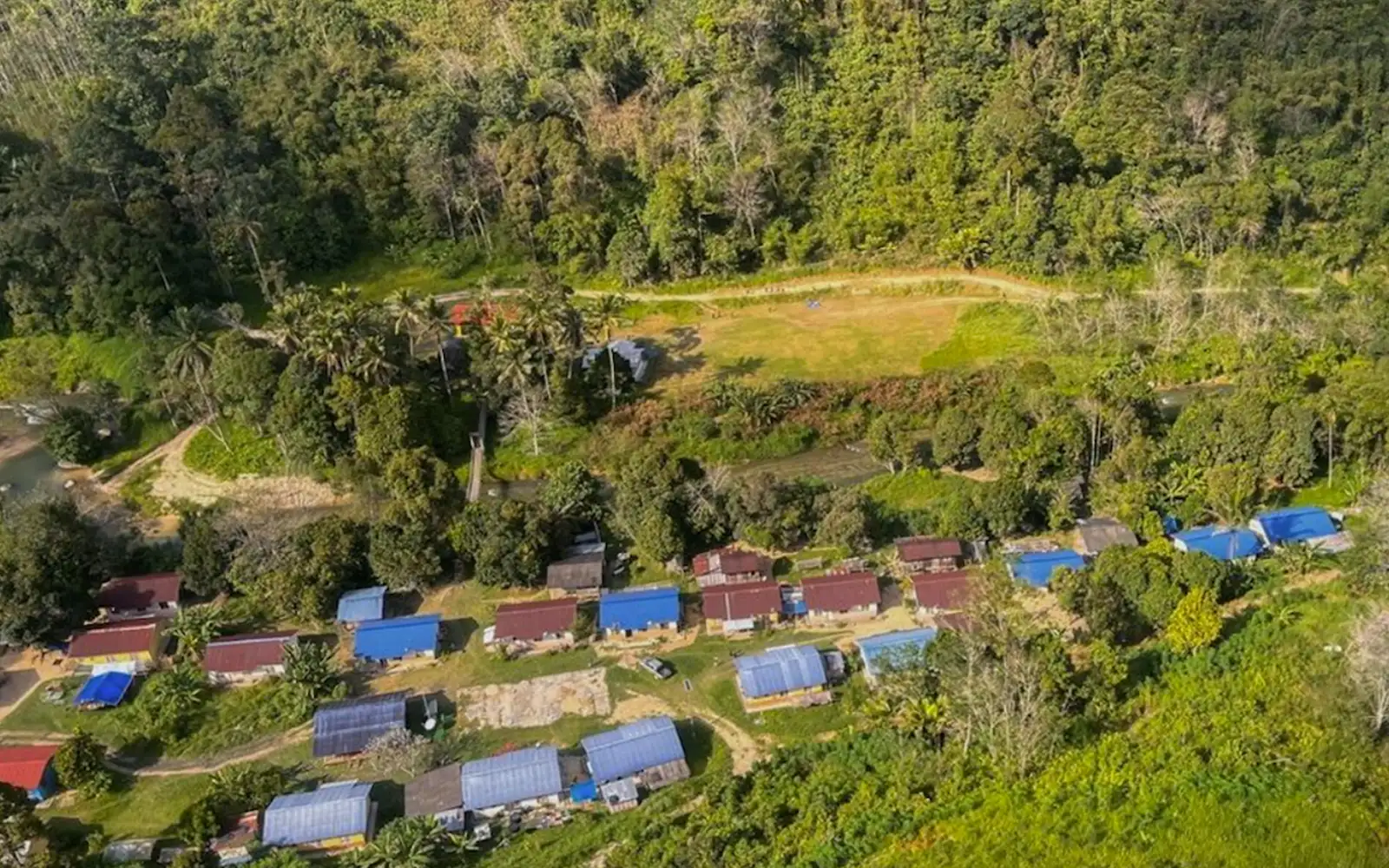
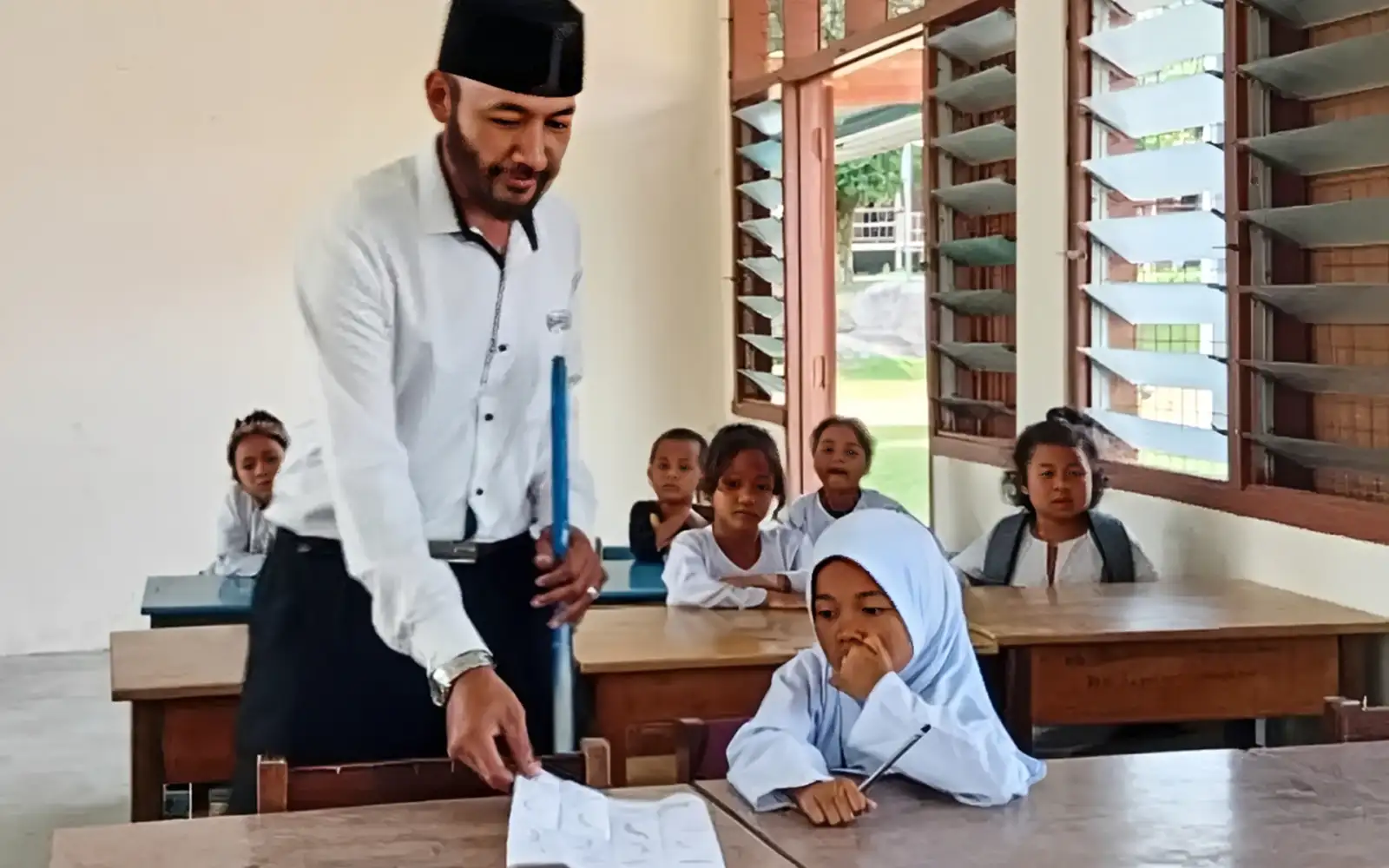
The allure of urban conveniences often draws educators, yet for 48-year-old Hasmadi Ghazali, a different path beckoned – one leading to the remote interior of Kelantan, where he has found a profound sense of purpose. Hasmadi recently commenced his duties at Sekolah Kebangsaan (SK) Balar, situated within the Pos Balar Orang Asli settlement, a community nestled deep within the Gua Musang district.
The journey to Pos Balar is far from ordinary. Located approximately 90 kilometres from the town of Gua Musang, access to this settlement is exclusively via off-road routes originating from Kuala Betis. This challenging terrain underscores the remoteness and unique environment Hasmadi has embraced.
This posting marks a significant personal milestone for Hasmadi, bringing an end to nearly 11 years of a long-distance marriage. His wife, Norsiah Along, is a member of the Temiar Orang Asli community and has been residing in the settlement with their four children. Previously, Hasmadi was stationed at SK Sri Kelana in Petaling Jaya, Selangor, a role he had held since 2013.
“I am grateful and happy because it has always been my hope to serve in Pos Balar,” Hasmadi shared. “This was my second transfer application, and I genuinely did not expect to be posted here.” His contentment stems from fulfilling a long-held aspiration to contribute to this specific community.
Beyond the confines of the classroom, Hasmadi harbours a desire to make a broader impact. Recognising that Muslims are a minority in the Pos Balar area, he wishes to actively participate in providing religious guidance to those who have embraced Islam, thereby supporting their spiritual development within the community.
SK Balar, established in 1994, serves as a vital educational hub for the Temiar Orang Asli children hailing from 11 surrounding villages. The school currently boasts a dedicated team of 24 teachers who cater to a student population of 296. Among these students, 69 are Muslim, highlighting the diverse religious landscape within the settlement.
While this is Hasmadi’s inaugural experience teaching Orang Asli children, he approaches the role with a deep understanding of the inherent demands. He acknowledges that effective teaching in this context necessitates significant patience, a creative pedagogical approach, and a nuanced comprehension of the community’s rich sociocultural fabric.
“Here, the emphasis is on providing students with fundamental literacy and numeracy skills, delivered through a compassionate, care-based approach,” Hasmadi explained. He contrasts this with the educational environment in urban schools, where students typically have greater exposure to technology and a wider array of communication mediums. Hasmadi, who originally hails from Jengka, Pahang, finds this distinction crucial in tailoring his teaching methods.
He further highlighted a critical challenge: Orang Asli children are often at a higher risk of dropping out of school. This reality underscores the need for more focused attention and interventions to ensure their sustained engagement with education. Hasmadi believes that sometimes, educators must extend their efforts beyond standard teaching practices to keep students within the educational system.
“A ‘personal-outreach’ approach might be necessary to encourage them to attend school regularly and remain within the education system,” he stated, emphasizing the proactive role teachers can play.
A key factor that has significantly eased Hasmadi’s transition and integration into life in Pos Balar is his ability to communicate in the Temiar language. This linguistic proficiency has been instrumental in fostering smoother interactions with both his students and the wider local community, thereby building a foundation of trust.
“When you can speak their language, lessons become easier to understand,” he noted. This understanding extends beyond the classroom, as he now uses the Temiar language daily at home, further cementing his connection and adjustment to life in Pos Balar.