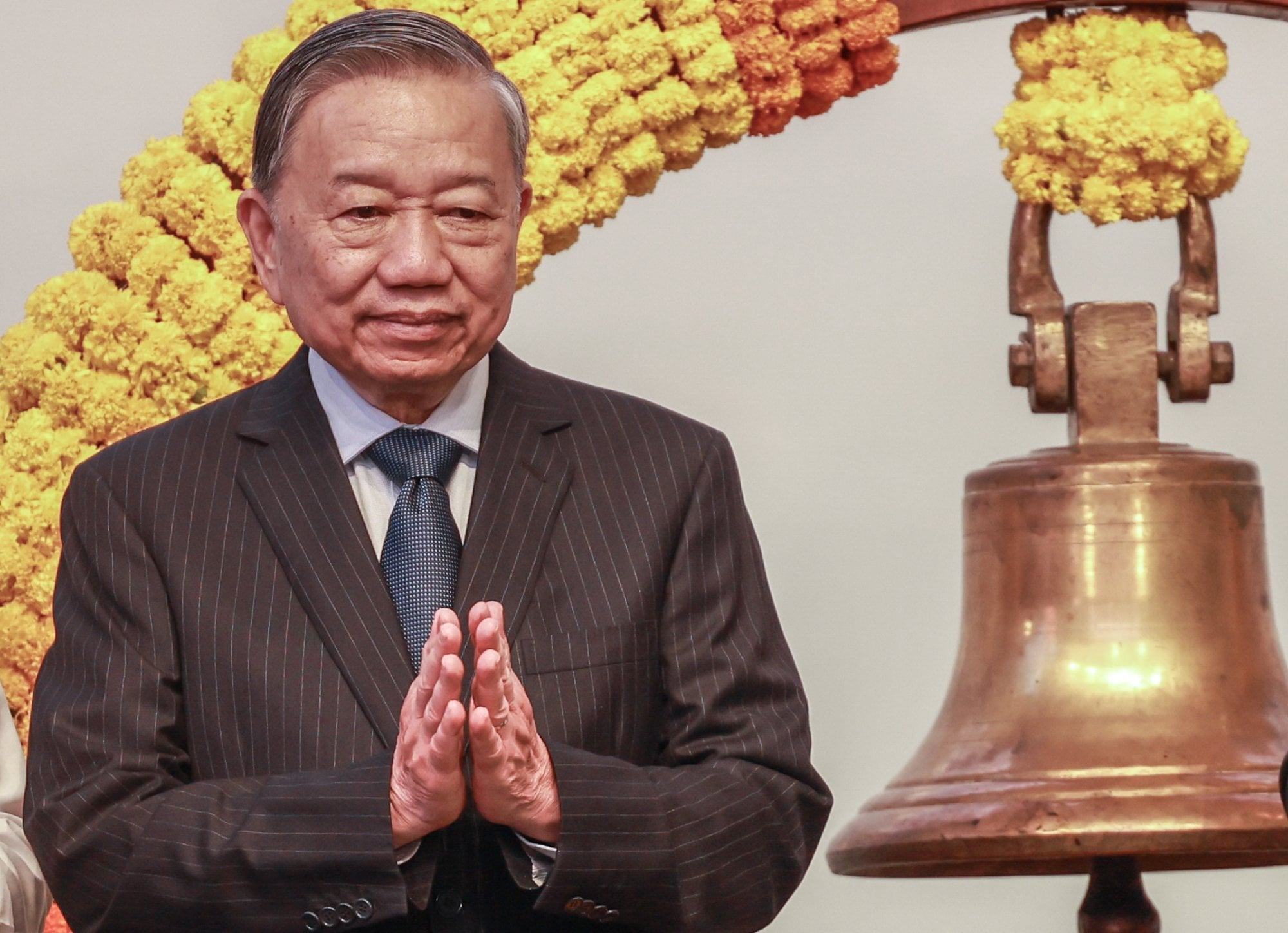
Phu Quoc serves as a trial for Vietnam’s fast construction approach. However, with 18 months remaining, the island faces a shortage of labor, diesel, and hotel accommodations.
Ahead of next year’s Apec summit, Vietnamhas a big plan to changePhu Quoc, its biggest island, to become Southeast Asia’s top conference and event center.
A 137 trillion dong (US$5.2 billion) plan features an airport renovation, a light-rail project, groups of high-end hotels, and a completely new sewage system — most of which is funded by one of the nation’s biggest business groups, in exchange for land areas, operational rights, and the prestige of creating national icons.
However, challenges are piling up 18 months prior to world leaders arriving in Phu Quoc for the November 2027 summit.
Are you curious about the most significant issues and developments happening globally? Find the solutions withSCMP Knowledge, our latest platform featuring curated content including explainers, FAQs, analyses, and infographics, presented by our acclaimed team.
Construction sites are lacking in labor, building supplies, and diesel. The 18km avenue designed to link the airport with the summit complex remains incomplete. Furthermore, no new hotel rooms have been constructed.
The challenges faced by Phu Quoc are partially due to the broader energy crisis caused by the closure of the Strait of Hormuz during the turmoil.Iran war.
But they are also indicators of a development model that Vietnam’s leaderTo Lamis wagering the nation’s future on: a model reliant on private corporations to fund large-scale projects, in exchange for land and financial support, as the key ingredient for a “new era” of economic expansion.
Only last year, Vietnam launched or commenced construction on approximately 564 major infrastructure projects, involving a total investment surpassing $195.5 billion.
The government has also given the go-ahead to a series of privately financed megaprojects, such as a US$35.2 billion VinGroup initiative located south of Hanoi, featuring a golden stadium with 135,000 seats, which will be the world’s largest, and a$67 billion north-south high-speed rail project.
The railway project received competing proposals from two Vietnamese business groups, VinGroup and Thaco, both aiming for operational privileges and advantageous land near train stations in return for its construction. VinGroup eventually pulled out. A investor has not been officially declared yet.
Cloning chaebol
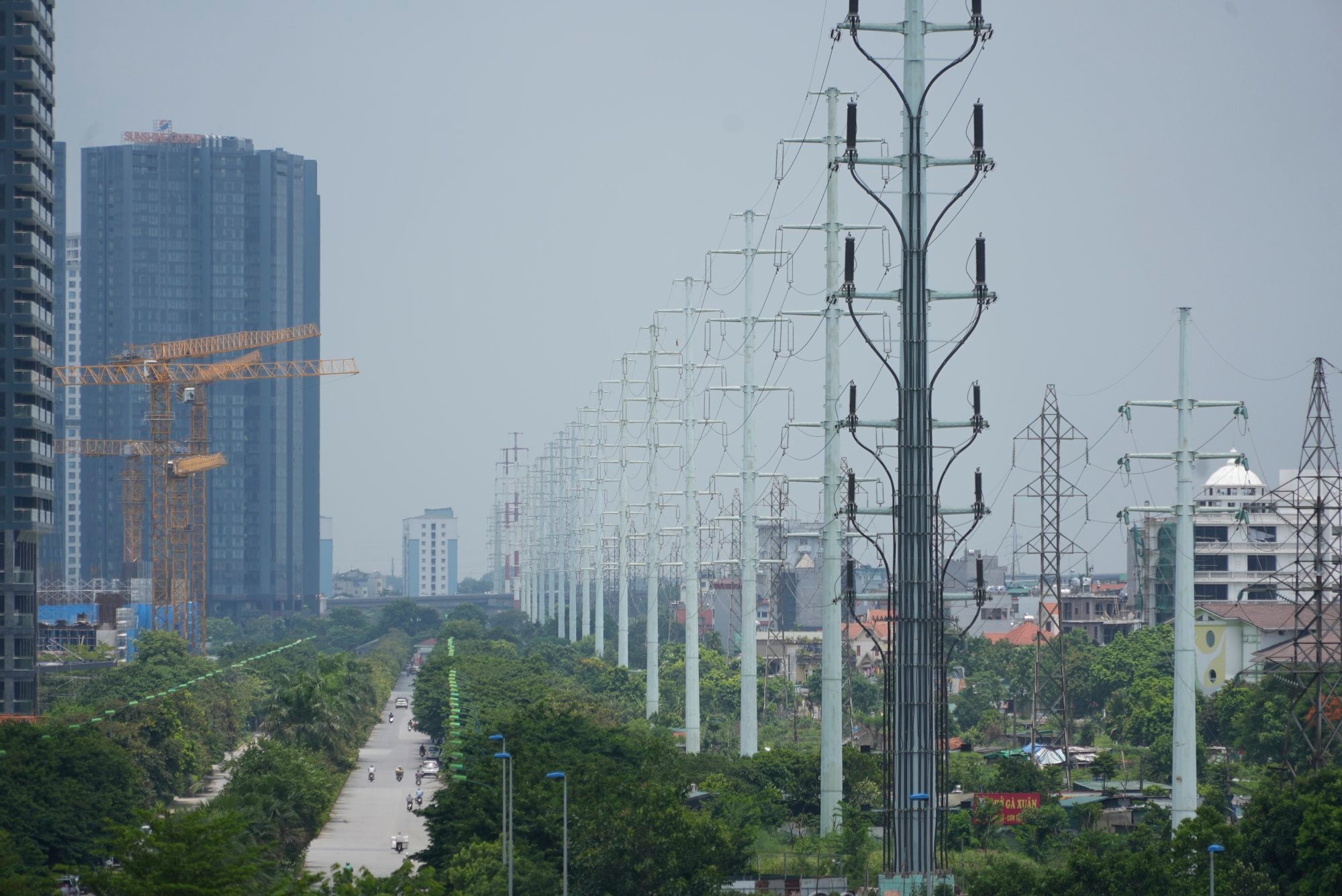
Under Lam, who holds the roles of Communist Party general secretary and the nation’s president, Vietnam is focusing its development hopes on constructingfast and high, driven by private initiative.
In May of last year, the party’s Politburo released Resolution 68, stating that the private sector is “the most significant driver” of Vietnam’s economy and detailing strategies to develop 20 globally prominent “national champions” by 2030.
The inspiration is South KoreaThe chaebol—Hyundai, Samsung, Lotte, and others—are the large industrial conglomerates that fueled the economic boom of the East Asian nation, transforming a war-torn peninsula into one of the world’s most technologically advanced economies. Vietnam is seeking similar entities of its own.
In Phu Quoc, the project is led by Sun Group, a major company recognized for its high-end resorts and cable car systems. The company is funding the new airport terminal and runway, the nation’s first light-rail system, and the Apec convention center: a building that features an 11,050 square meters (119,000 sq ft) open-space ballroom, marketed as the biggest in the world.
Next to it, two hotel complexes are planned to be built, offering over 12,000 rooms in total. Out of the US$5.2 billion pledged for the island, Sun Group and the private sector are responsible for US$4.4 billion. The government is providing only US$760 million for 10 “key projects,” including roads and water storage facilities — a total of 21 projects have been approved.
“Utilizing the private sector for infrastructure growth can be a two-faced approach,” noted Vietnamese researcher Nguyen Khac Giang, a visiting fellow affiliated with the ISEAS-Yusof Ishak Institute’s Vietnam studies program.
It may speed up the delivery process while lessening the immediate pressure on the state’s finances. However, without a robust and open regulatory system, Vietnam could exchange a swift infrastructure surge for diminished social fairness and responsibility.
Grit, gravel and grievances
Vietnam seeks to become a high-income, developed country by 2045, liberalizing industries previously controlled by state-run companies.
However, the rivalry for blue-collar employees is intense, as stated by Marco Foerster, executive director for Asean at management firm Ascentium, with changes occurring on the Vietnamese mainland frequently providing workers appealing salaries and the benefit of remaining nearer to their homes.
“The difficulties observed in Phu Quoc closely match those encountered throughout Vietnam’s construction industry as a whole,” he stated.
A representative from the convention center, who wished to remain unnamed, verified the labor shortage, stating to This Week in Asia that the construction surge on the mainland caused many workers to stay for just a single month before returning to their homes.
Vietnam’s government infrastructure investment increased by almost 40 percent in the previous year, yet construction activity expanded by just 9 percent, as reported by the investment management company VinaCapital.
“Partly indicating the industry’s difficulty in handling that increase in spending,” noted Michael Kokalari, the company’s chief economist.
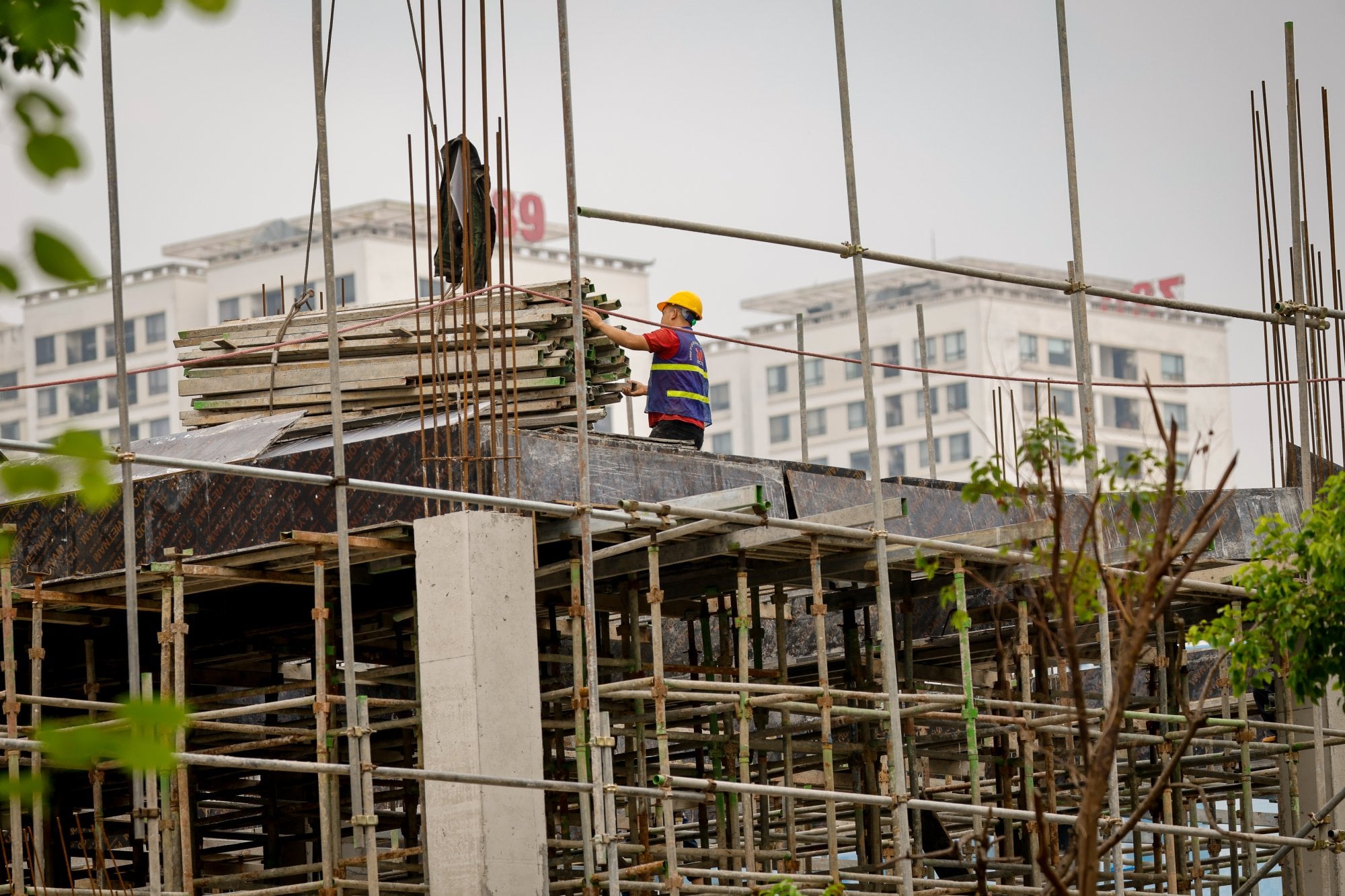
Another challenge lies in the materials. The availability of gravel and crushed stone covers just one-third of the needs for the Phu Quoc project. The conflict between the US and Israel against Iran, along with the closing of the Strait of Hormuz, has caused diesel prices to reach multi-year peaks, leaving stocks at historic lows, which has resulted in machinery being unused.
Land is a third major issue—and in Vietnam, consistently one of the most controversial. Disputes over compensation between developers and those forced to relocate have long been a challenge for infrastructure developments throughout the country, and Phu Quoc is no exception.
At the US$2.6 billion flagship hotel development, only 42 of the needed 88 hectares had been cleared by April. A full 4km stretch of the main road leading to the airport remains incomplete for the same reason.
Additionally, there is the US$830 million convention center, which Sun Group has agreed to build under a build-transfer contract.
The issue is that build-transfer agreements were largely prohibited in Vietnam in 2020, following investigations by anti-corruption authorities who discovered that hundreds of millions of dollars in high-value real estate had been improperly directed to developers through these very mechanisms.
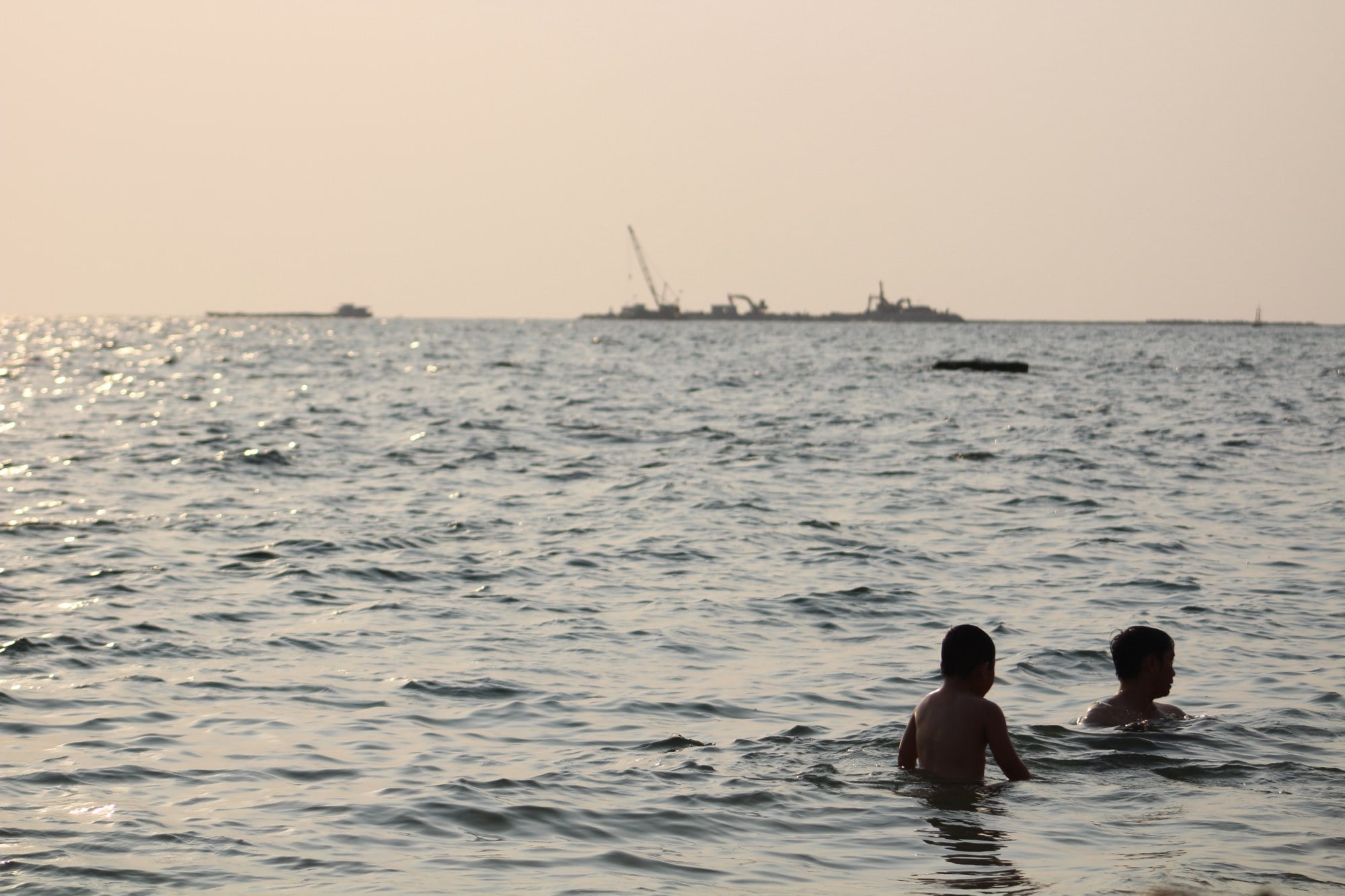
Hanoi reintroduced build-transfer schemes last year to boost the nation’s development goals. However, in Phu Quoc, officials are taking it to extremes—suggesting that land reclaimed from the sea be used as compensation for the convention center.
‘Catch 22’ credit
Vietnam’s officials express their desire for the economy to expand by 10 percent annually over the next five years, a goal that the rating agency Fitch has cautioned could lead to risky levels of debt.
The country’s credit-to-GDP ratio is already at 145 percent, almost three times the average for other Fitch BB-rated nations. In 2025, the central bank governor, Nguyen Thi Hong, spoke strongly about the risks, publicly highlighting the “systemic” dangers associated with growth driven by credit.
However, some, like Kokalari from VinaCapital, claim that the headline ratio is deceptive — a result of underdeveloped capital markets that push financing towards the banking system instead of bond or equity markets.
“If the capital markets were more developed, the number of banks would be lower,” he stated, pointing out a “Catch-22 situation” where rating agencies were worried about the borrowing pressure on Vietnam’s banks, which in turn required a robust sovereign rating to access affordable financing abroad.
Kokalari expressed optimism about the conglomerate-led growth approach, seeing it as the most efficient way to overcome the bureaucratic delays that have consistently impeded Vietnam’s infrastructure progress.
Bring the major players on board, he stated, and the work would spread outward: “outsourced to a wider section of the economy”.
Vietnam previously organized an Apec summitin 2017, with US President Donald Trumpheadlining, and the infrastructure developed in Da Nang for the summit eventually turned into a lasting economic benefit, Foerster noted.
We should question whether Vietnam can develop large-scale projects at the pace seen in China,” he stated. “Only in that case will Vietnam be capable of maintaining its manufacturing growth and GDP expansion goals. Phu Quoc serves as one such test.
More Articles from SCMP
Who is Ansel Elgort’s Japanese partner, Miona, who recently welcomed a child with him?
Cannes 2026: Film critique of “Sheep in the Box” – Hirokazu Koreeda explores sorrow through a science fiction narrative
Is the new mediation organization in China becoming more influential as the impact of Western negotiators declines?
Chief justice of Hong Kong calls on senior lawyers to maintain the public’s confidence in the judiciary
This piece was first published in the South China Morning Post (www.scmp.com), a top news outlet covering China and Asia.
Copyright (c) 2026. South China Morning Post Publishers Ltd. All rights reserved.