Australia’s Fuel Tax Discount Extension Under Consideration
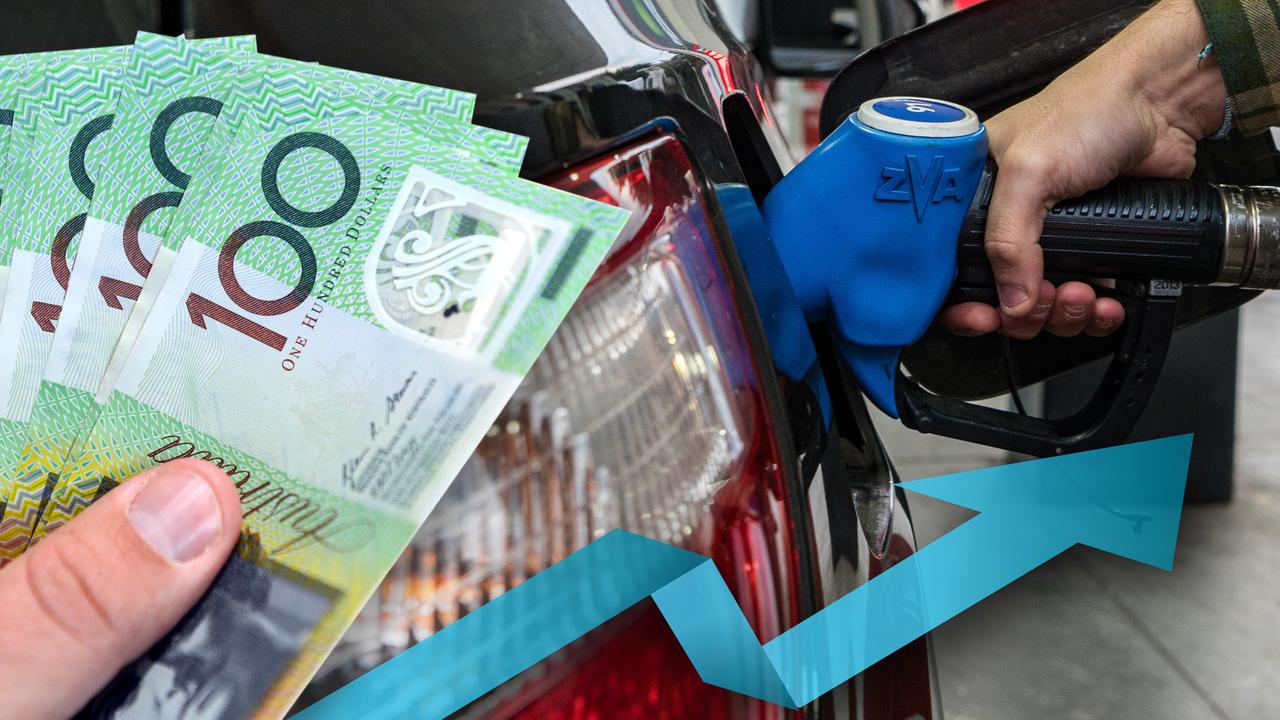
Australia is currently evaluating an extension to its fuel tax discount as global oil shipments face disruptions, prompting states to seek greater control over petrol and diesel supplies. The federal government’s three-month reduction in the fuel excise came into effect at the start of April, lowering the cost of petrol and diesel by 26.3 cents per litre. This move was a response to rising prices driven by the US-led conflict with Iran.
Prime Minister Anthony Albanese has not confirmed whether the discount will be extended beyond its initial period. However, he indicated that a decision will be made in the lead-up to July. The budget included $3.2 billion for a new, government-controlled fuel reserve, which may play a role in future decisions.
The fuel tax cut is projected to cost the budget $2.55 billion in lost revenue. In addition to this, Albanese highlighted other forms of tax relief set to begin in the new financial year, which could help offset the impact if the excise cut is allowed to expire.
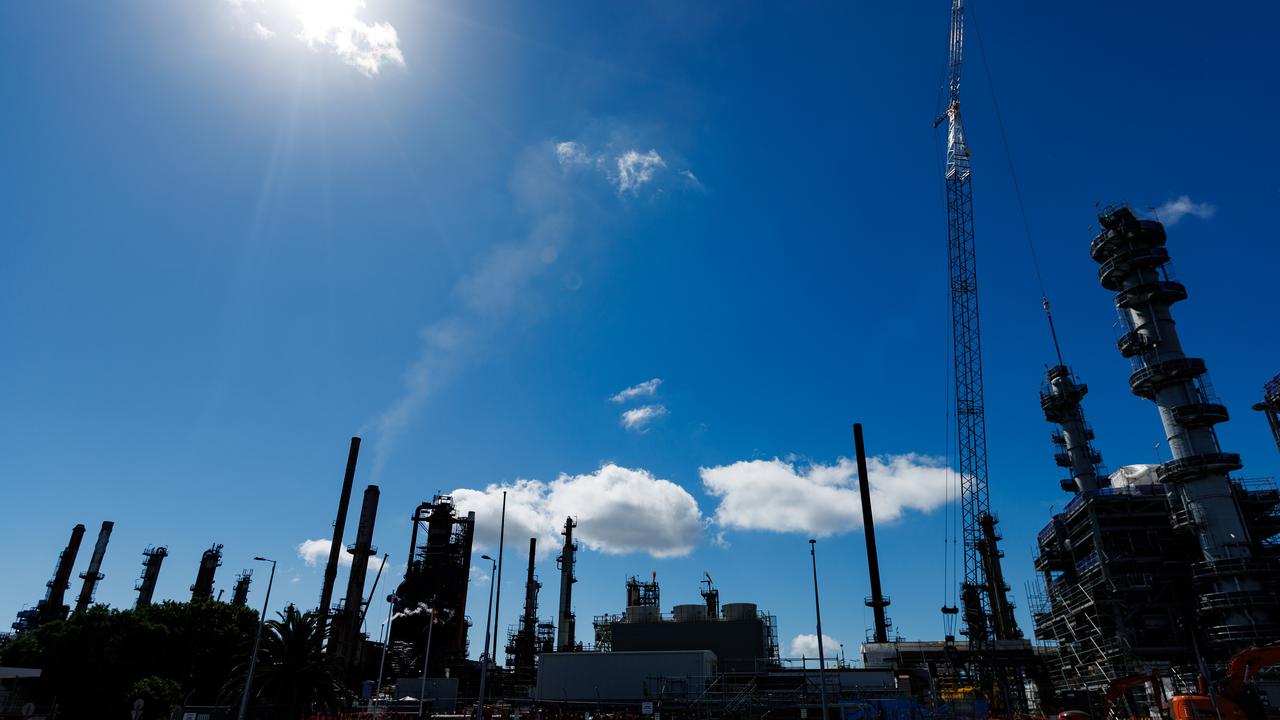
Australia now holds 44 days’ worth of petrol, which is eight days more than when the bombing of Iran began. This increase has occurred amid Tehran’s de facto closure of the critical shipping corridor, the Strait of Hormuz. The nation also has 36 days’ worth of diesel and 35 days of jet fuel.
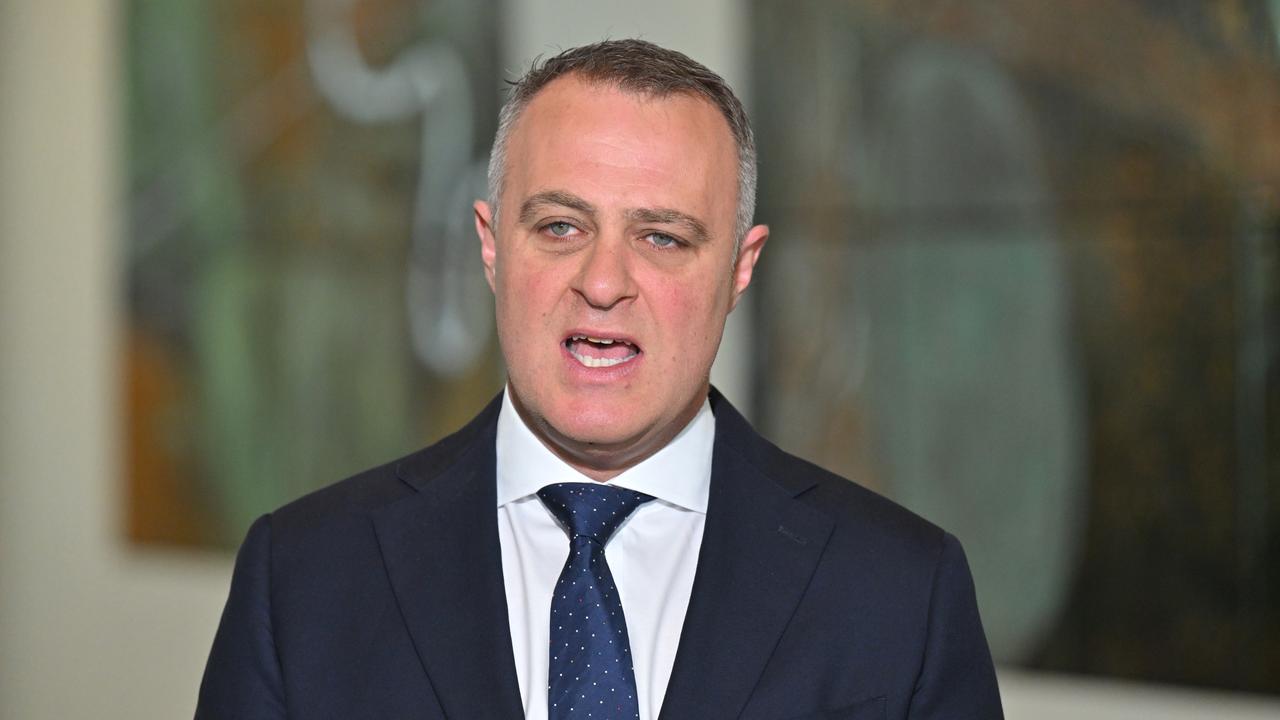
Shadow treasurer Tim Wilson has not explicitly stated whether the opposition supports extending the excise cut. Instead, he prefers to wait and see how fuel shortages and price increases unfold. He emphasized the importance of inflationary offsets, stating, “What we didn’t want was more debt petrol on the inflation fire.”
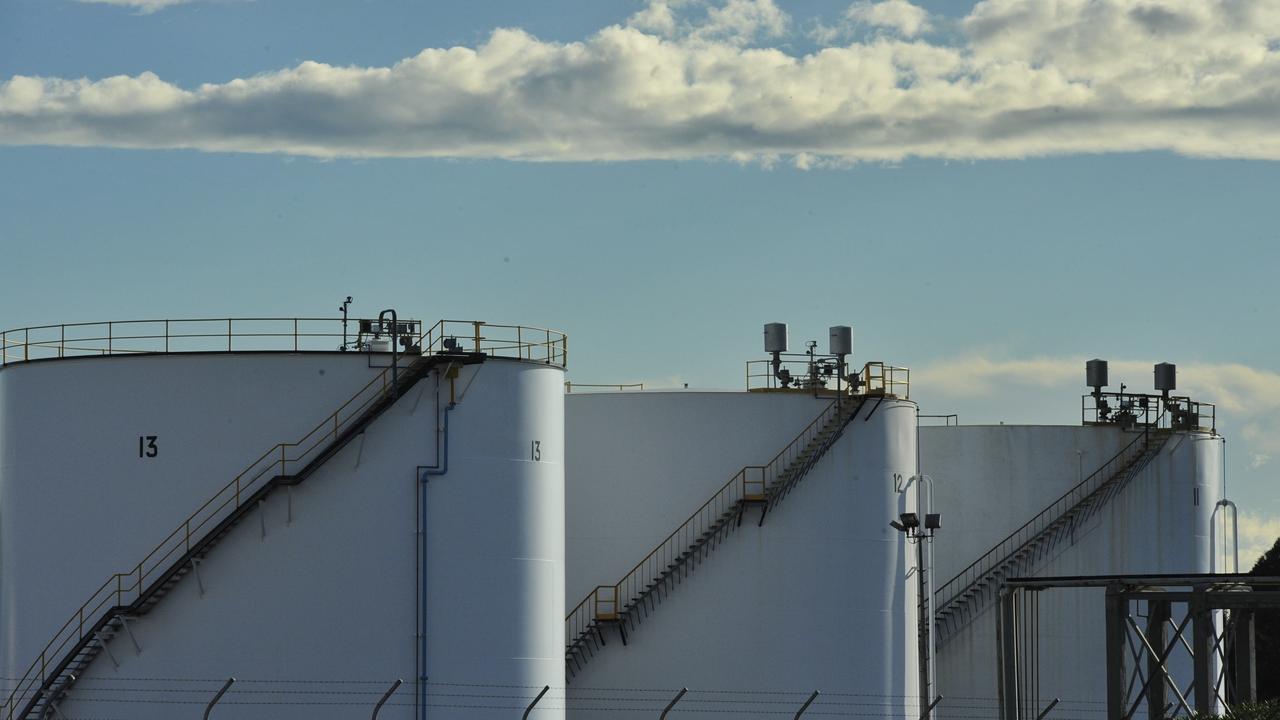
In preparation for potential crises, several states have announced plans for their own domestic stockpiles to manage future fuel shortages. The New South Wales (NSW) government recently called on the private sector to propose projects that could safeguard against shocks to global supplies. In collaboration with the Investment Delivery Authority, the government aims to support projects that meet its criteria by removing barriers.
“I don’t think anyone thinks that, even when this crisis is to come to an end, this will be the last time we are exposed to some of the uncertainty that is involved with such a heavy reliance on foreign oil,” said NSW Treasurer Daniel Mookhey. “We want to partner with the private sector to make sure that we have a bit more control over our own fuel supply.”
The South Australian government has entered into a commercial deal with bulk fuel supplier IOR, allowing it to purchase and store 10 million litres of diesel. Queensland has also fast-tracked BP’s lease extension, which is expected to provide an additional 54 million litres of commercial storage for diesel, petrol, and aviation fuel.
States have agreed to work with the federal government to forgo extra GST revenue from higher fuel prices, aiming to put more downward pressure on costs at the pump. Mookhey mentioned that his working assumption is that the windfall GST measure would be paired with the federal government’s fuel excise if the cut continues.
Australia remains at level two of the government’s fuel plan, which encourages users to buy only what they need and take voluntary steps to reduce fuel consumption.