A Mind Forged in Trauma: Jeni Haynes’ Extraordinary Journey to Justice
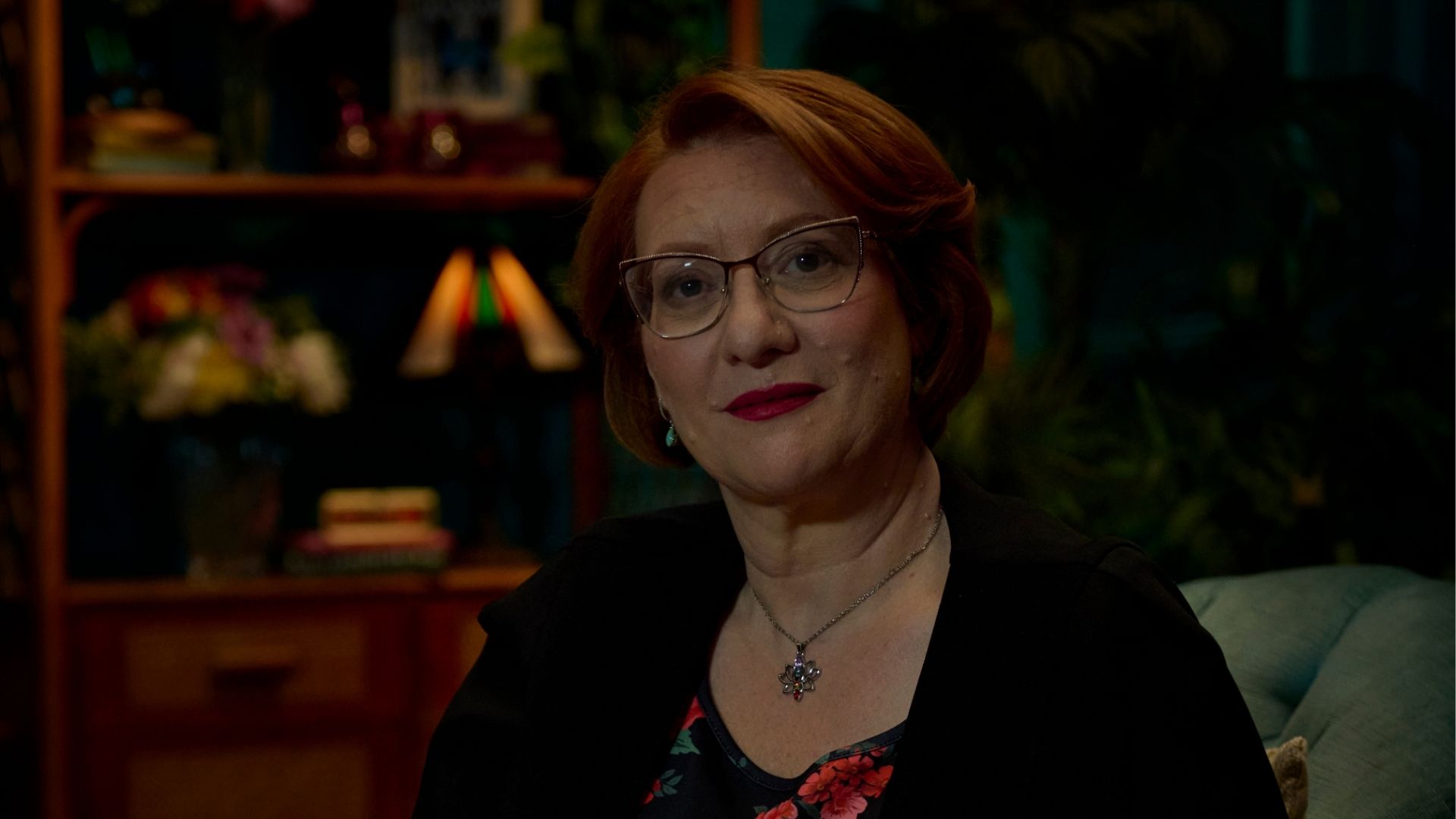
Jeni Haynes endured a childhood steeped in terror, a period of abuse so horrific that Australian police have described it as among the worst cases ever recorded in the nation. Unlike many survivors who find themselves blocking out the traumatic memories, Jeni’s mind developed an astonishing capacity to recall every agonizing moment in minute detail. This intricate mental architecture, a complex coping mechanism born from unimaginable suffering, ultimately became the very key that unlocked justice, leading to her abuser and father, Richard Haynes, being sentenced to a record 45 years in prison.
Jeni, now 56, explains that during her childhood abuse, her mind employed an extraordinary tactic to cope: it created new identities, or “alters,” each designed to experience and compartmentalise specific incidents. This process ultimately resulted in the formation of an astounding 2500 distinct personalities.
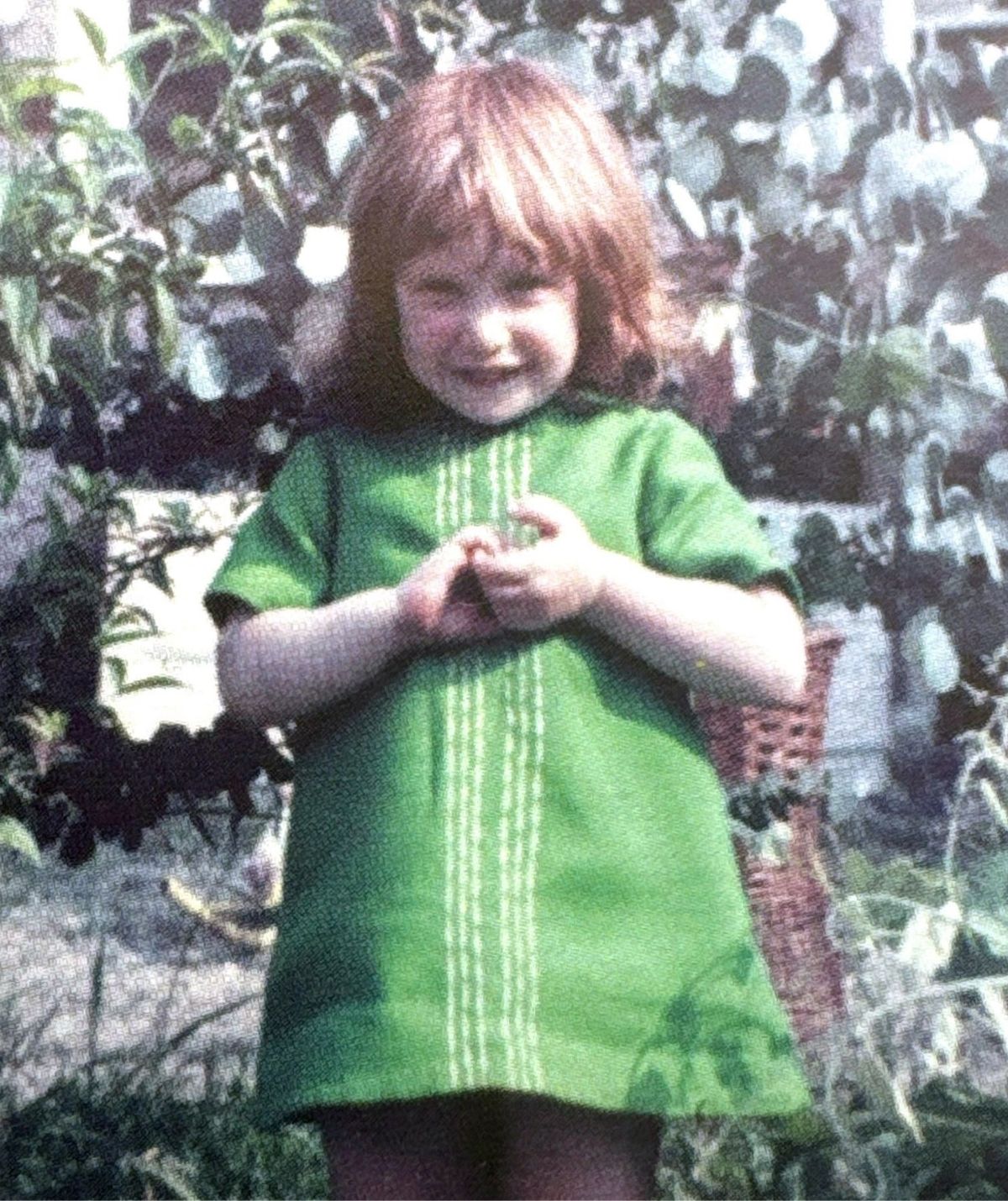
“Symphony was the first ‘alter’. The original child was terrified and Symphony sang for her,” Jeni recounts, shedding light on the profound ways her psyche protected itself.
The Power of Dissociation: A Survival Mechanism
The condition Jeni experienced, known as Dissociative Identity Disorder (DID), formerly Multiple Personality Disorder (MPD), is a complex psychological response that typically develops in early childhood. It serves as a survival mechanism, allowing individuals to dissociate from overwhelming trauma, effectively splitting their consciousness to endure experiences that would otherwise be unbearable.
While her condition is highly unusual, Jeni initially believed everyone experienced the world as she did. “I can pinpoint the first time I found out this was ‘not normal’,” she shares, recalling a visit to a neurologist at age 14 following an epileptic seizure. The “voices” she described were initially linked to her seizures, and it wasn’t until she was studying psychology at university that she discovered the true nature of MPD.
Far from viewing it as a “disorder,” Jeni feels a profound sense of gratitude for its development. “MPD kept me safe when my entire world was not safe. It made my life better,” she states. She acknowledges the vital role her alters played: “Some alters knew what was happening to us was wrong and helped us remember and communicate this later.”
A Monumental Statement and the Path to Validation
This meticulous recall and the collective memory of her alters proved crucial. In 2009, with the unwavering support of her many personalities, Jeni compiled an extraordinary 900,000-word statement for the police, detailing every instance of her years of abuse. The sheer volume and detail of her account allowed police to corroborate her story. The moment they conveyed their belief in her testimony was a watershed of validation, an experience Jeni had long since ceased to hope for.
“I’d been holding myself together through gritted teeth for 39 years thinking no one would believe me. I was so ready to not be believed. I cried for about two hours,” she reflects on this pivotal moment.
Jeni anticipated facing ridicule when she eventually testified in court, using her DID to present evidence through different personalities. She expected to be “the laughing stock of Australia.” However, the reality proved to be the complete opposite.
Confronting the Past: A Father’s Confession
After a decade of legal proceedings, Jeni finally entered the courtroom in March 2019, filled with trepidation, to face her father, who had been extradited from the UK. “I was expecting him to look how he looked the day he did it,” she admits. Instead, she saw an elderly man, stripped of his “respectable mask.” “But then an old man came in. He wasn’t wearing a suit – he wasn’t in his respectable mask. I was nervous until I saw him.”
Richard Haynes was initially charged with 367 offences, including multiple counts of rape and indecent assault against a child under 10. Jeni was permitted to testify as Symphony and five other alters, each able to provide specific, detailed evidence related to different offences.
“He didn’t last an hour and a half,” Jeni recounts with a sense of weary finality. “He rolled over and said he was guilty.” The power of her testimony lay in its raw immediacy. “It’s one thing hearing an adult in the witness box saying, ‘When I was four this happened,’ but quite another to hear from Symphony, who is a four-year-old, saying what happened to her like it was yesterday. It wasn’t retrospective. It was present tense.”
A Precedent for Hope: Justice for Others
Haynes ultimately pleaded guilty to 25 charges and received a 45-year prison sentence. While this verdict brought Jeni the justice she so desperately needed, the trial also yielded another, far more unexpected outcome. “Seven people in Australia and two in New Zealand have got justice after me with DID,” she reveals, her voice filled with wonder. “It’s incredible.”
Jeni’s case has established a groundbreaking legal precedent. Even now, she receives daily emails from abuse survivors and individuals with DID. “I try to reply to all of them,” she says, driven by a strong sense of ethical responsibility. “We are a highly ethical and moral people and have an obligation to other survivors of abuse and DID.”
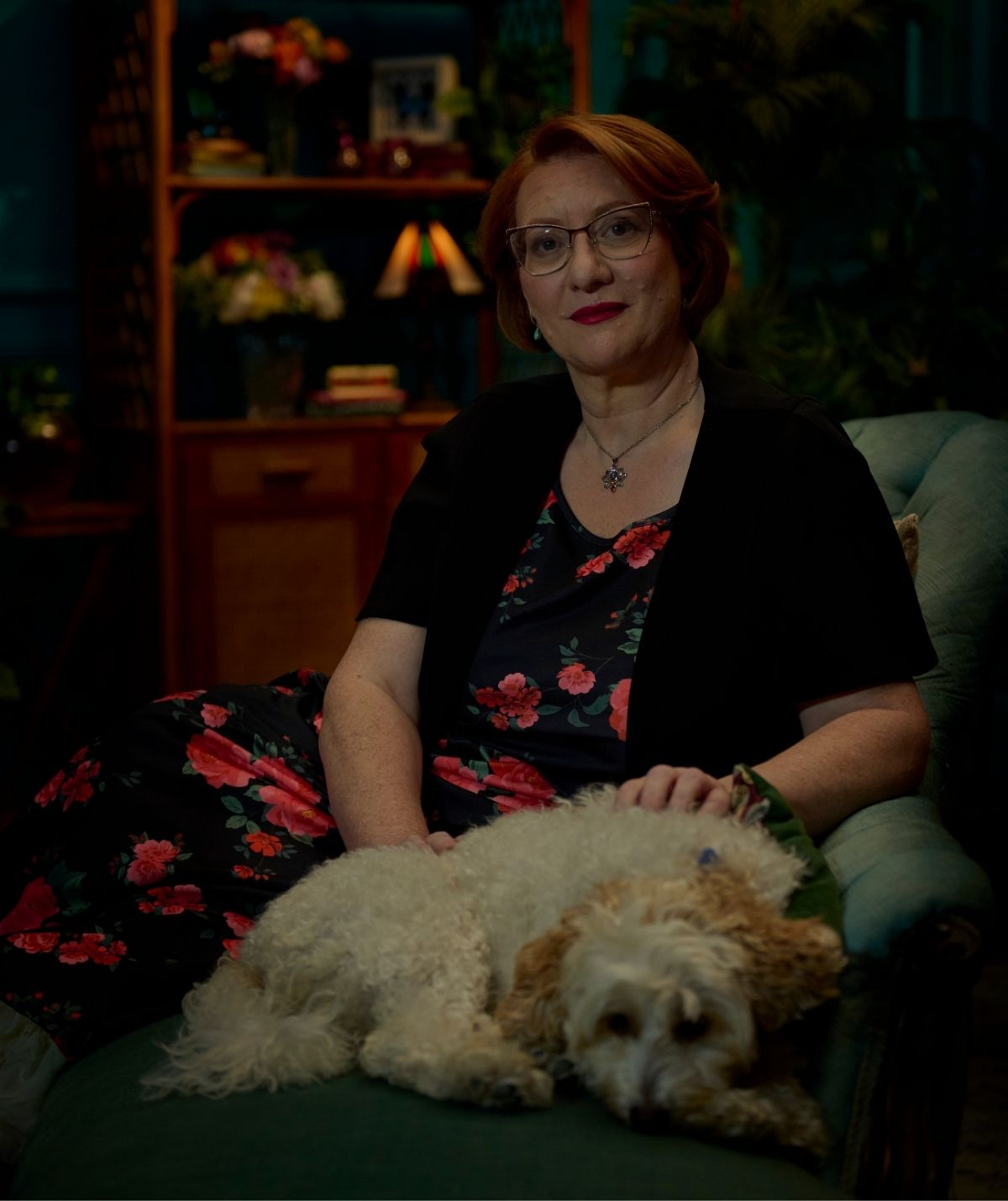
This commitment to helping others was a primary motivation behind her book, which subsequently inspired the documentary We Are Jeni. “We want to use our story for others to get justice if they want to, and it’s my chance to say the words I wanted to hear, to survivors with MPD/DID,” she asserts. Her message is one of profound hope: “Justice is possible. Your diagnosis is no longer a barrier to justice. If you want justice use my case as precedent. Go for it. For all survivors of child sexual assault, I hear you, I see you, I believe you. What happened to you matters. You matter.”
We Are Jeni premiered on Sunday 7 June at 7:30pm on SBS and is available to stream on SBS On Demand.