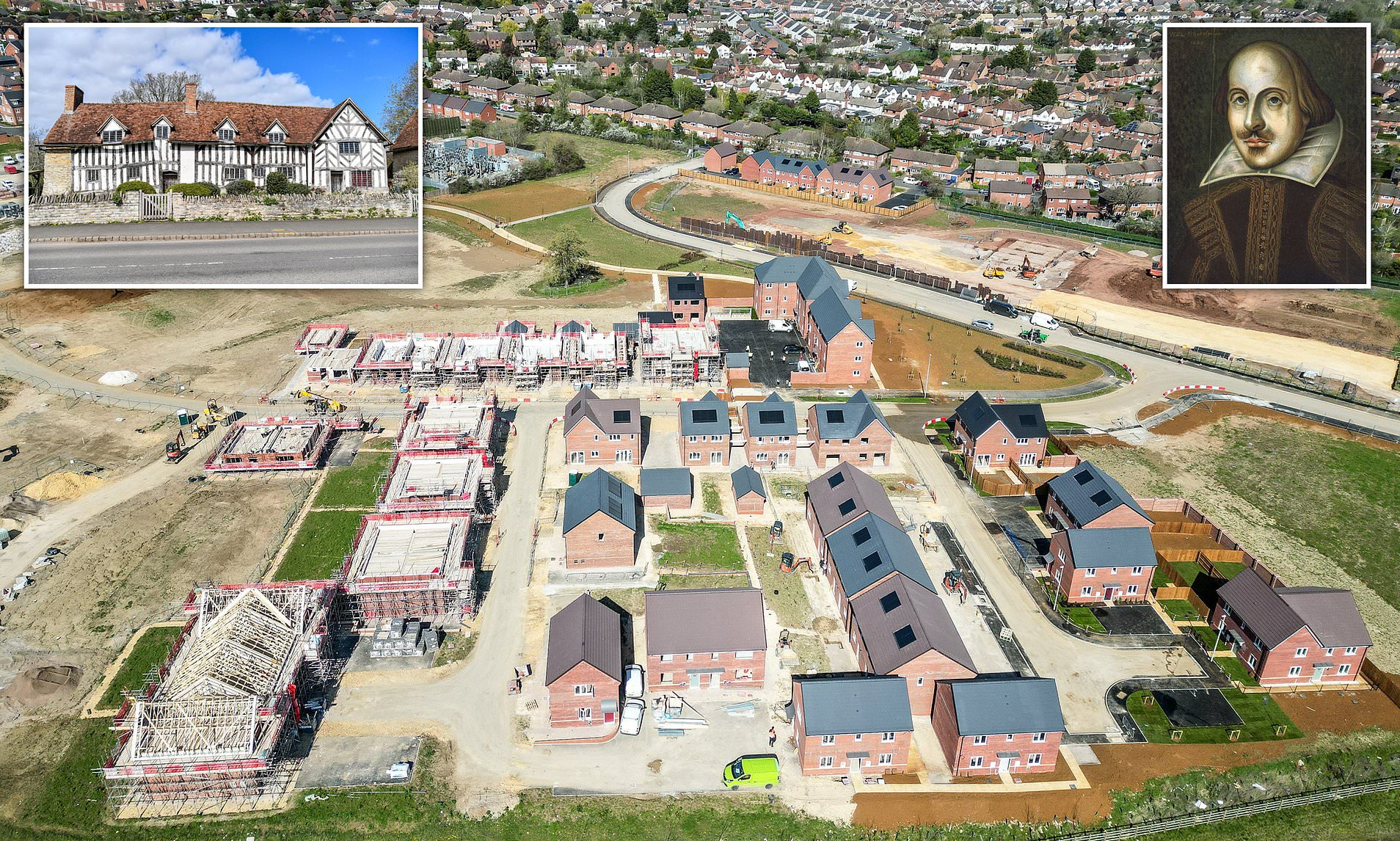
A New Town Threatens Shakespeare’s Heritage
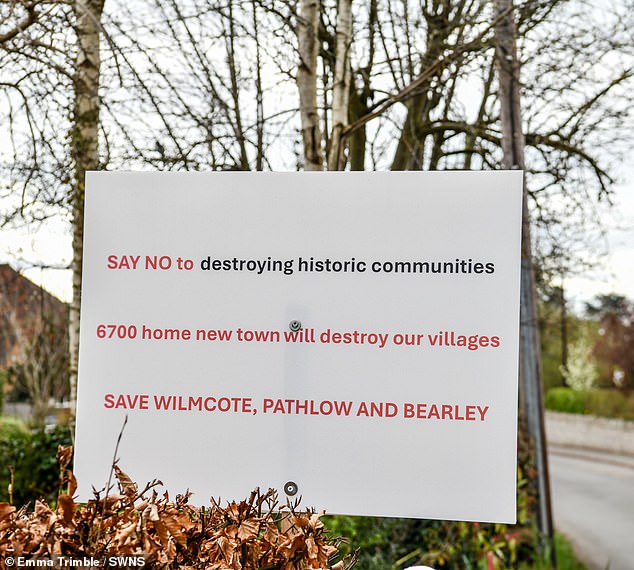
More than 400 years after his death, a massive new town of 6,700 homes is set to be built on the farm where William Shakespeare’s mother, Mary Arden, grew up. This development has sparked outrage among local residents who believe it would destroy the historical and natural beauty of the area.
The proposed development would cover an area of 329 hectares—equivalent to 460 football pitches—and would create a community for 16,000 people. The plan includes building homes in the villages of Wilmcote and Bearley, which are part of the Stratford-upon-Avon district. This area has become a hotspot for developers due to its proximity to the famous Shakespearean landmarks.
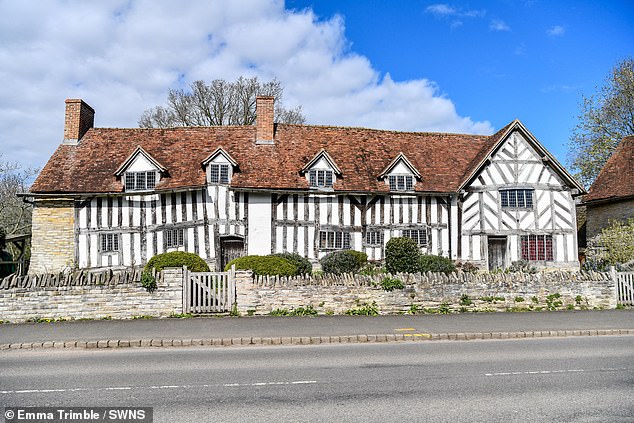
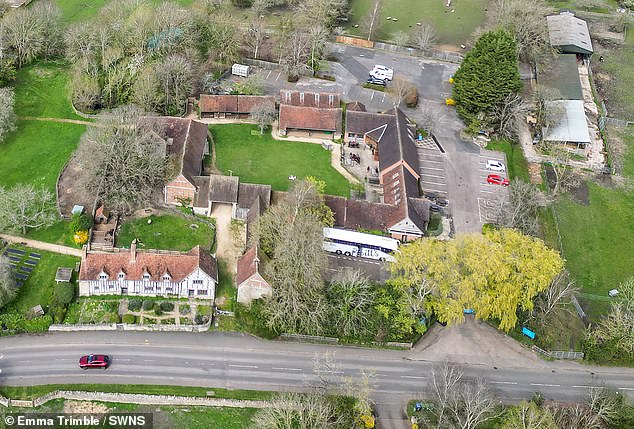
Residents living near Mary Arden’s Farm, a Grade I-listed property, are particularly concerned. They argue that the expansion would ruin the tranquility of the village and harm the environment. Diana Dobson, a 77-year-old resident who has lived near the farm for 35 years, expressed her frustration:
“We made a choice to live in the countryside and now we face being covered in concrete. It’s the sheer number of them—we simply don’t need 10,000 homes around here and the infrastructure cannot support it.”
Diana also pointed out the existing challenges in the area, such as overcrowded hospitals, schools, and dental services. She added that the development could lead to catastrophic flooding, citing a survey conducted by a flood expert who warned of potential damage to the area.
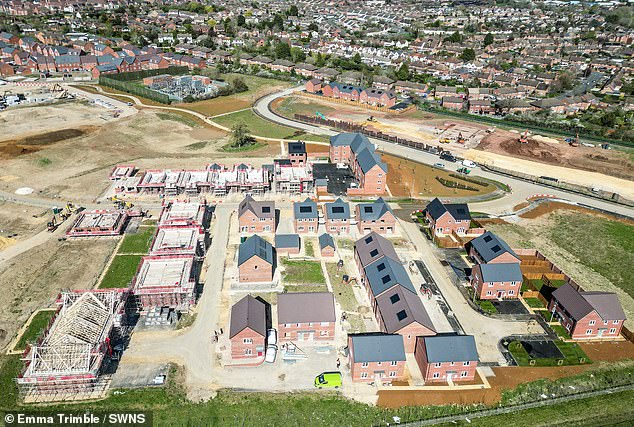
Another resident, Terry Cundy, a father of four, described the situation as “outrageous.” He said the area is already a hub for new developments and that the proposed project would destroy the cultural and natural heritage of the region. He added that the extra traffic and tourism could overwhelm the local infrastructure, making it impossible to maintain the peaceful lifestyle he and others have enjoyed for years.

Janine Lee, chair of Wilmcote Parish Council, echoed these concerns. She stated that while sustainable development is not inherently bad, the scale of this project is unsustainable. She emphasized that the area is a historic site and that the development would harm its appeal and the integrity of the buildings.
“Stratford is world-renowned and this is a place where tourists come from all over the world. And they come to Wilmcote to visit Mary Arden’s Farm, which is a heritage property. Any development would harm its appeal and the pollution from passing cars will cause damage to such an old timber-framed building.”
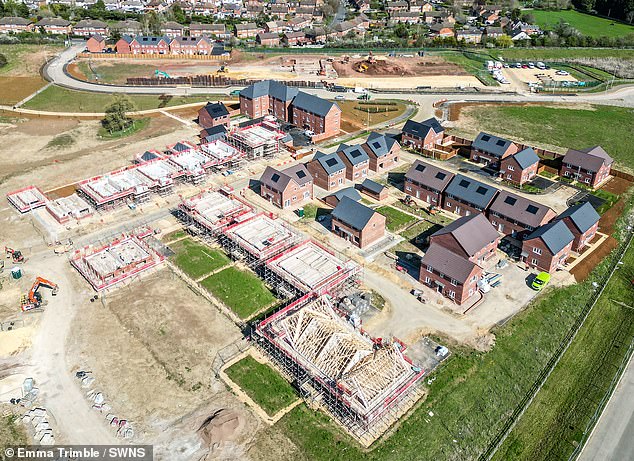
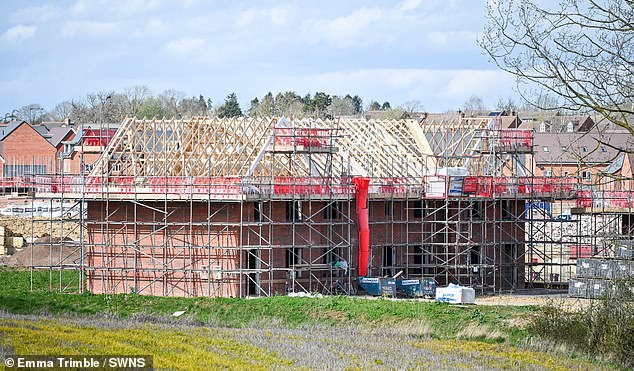

The Shakespeare Birthplace Trust, which manages Mary Arden’s Farmhouse, did not respond to requests for comment. However, the Stratford-on-Avon District Council has outlined plans to restore its five-year housing land supply. According to a council spokesman, the action plan includes around 5,600 planning applications for houses across the district. The South Warwickshire Local Plan, which will be submitted to the government in December 2026, is expected to play a key role in addressing the housing crisis.
Lib Dem Councillor George Cowcher, deputy leader of the council, acknowledged the challenges faced by the district. He explained that the government had changed the rules, requiring the council to build more homes than previously planned. This has led to difficult decisions about where and how to develop.
“To re-establish our five-year land supply will mean granting permission for more houses, and in some cases they will be very difficult decisions. We need to maintain our statutory duty to provide a five-year land supply.”
Despite the pressure to expand, many locals remain determined to protect their community. They argue that there are more suitable locations for development that do not threaten the historical and environmental significance of the area. As the debate continues, the future of Wilmcote and its connection to Shakespeare’s legacy hangs in the balance.