Uganda Pledges Military Support to Israel Amidst Escalating Middle East Tensions
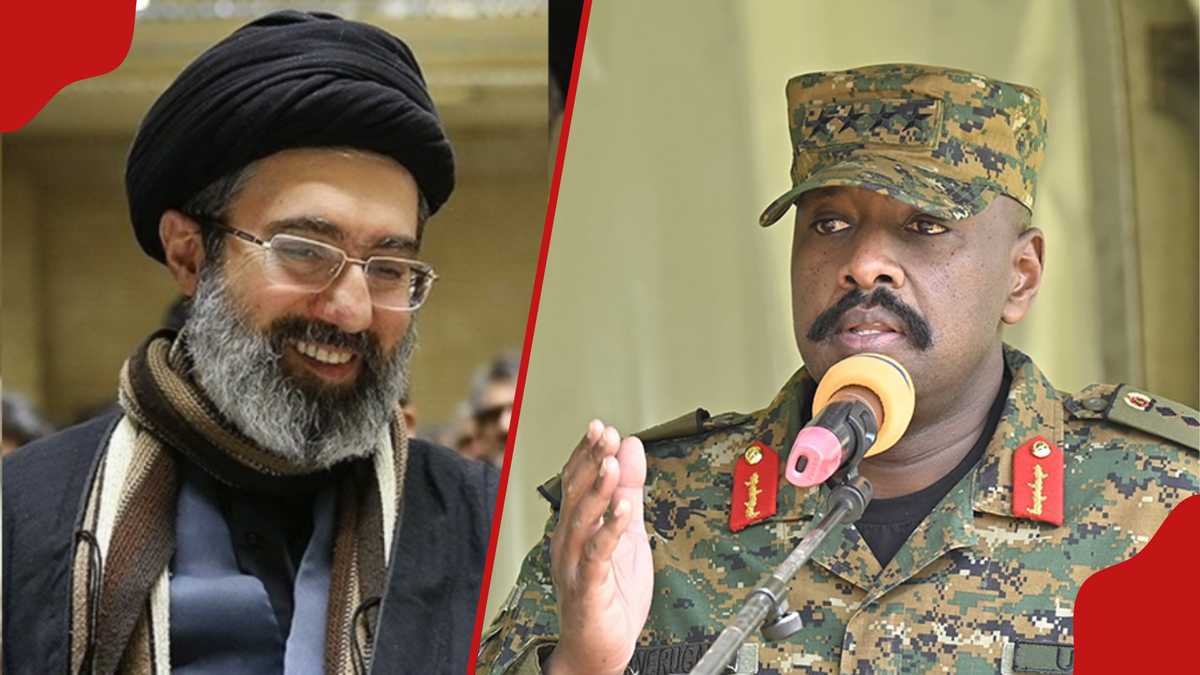
Uganda’s Chief of Defence Forces, Muhoozi Kainerugaba, has publicly declared that Uganda stands ready to offer military support to Israel should its existence be threatened. This significant statement, made through a series of social media posts, positions Uganda as a staunch ally in the increasingly volatile Middle East conflict.
The remarks by Kainerugaba, who is also the son of President Yoweri Museveni, come at a time of heightened global anxiety. Tensions have sharply risen between Iran, the United States, and Israel, with broader international concerns amplified by disruptions to key global trade routes, including the closure of the Strait of Hormuz.
Kainerugaba’s Unwavering Pledge to Israel
In a series of assertive posts shared on the social media platform X, the Ugandan military chief articulated a clear stance. He stated that Uganda is prepared to intervene militarily if the situation necessitates it, issuing a direct warning that any attempt to destabilize or defeat Israel would inevitably draw Uganda into the conflict.
“We want the war in the Middle East to end now. The world is tired of it. But any talk of destroying or defeating Israel will bring us into the war. On the side of Israel!” Kainerugaba declared.
He further elaborated on Uganda’s commitment, affirming that his country is prepared to provide direct military assistance should Israel formally request it. “If Israel needs help, it only need ask. Their Ugandan brothers are ready to assist,” he added.
This declaration from Kainerugaba represents one of the most explicit and singular commitments of military backing from an African nation towards Israel in the context of the current conflict.
A Stern Warning Issued to Tehran
Beyond his support for Israel, Kainerugaba also directed a pointed warning towards Iran. He suggested that any missile strike originating from Tehran would be met with a forceful retaliatory response. “If Tehran dares hit us with missiles. We shall retaliate with our own missiles,” he stated.
Furthermore, Kainerugaba reaffirmed his long-standing conviction regarding the necessity of respecting Israel’s sovereignty. He emphasized, “Israel has a right to exist and attacks against her must stop.”
While there has been no immediate official communication from the Ugandan government to corroborate Kainerugaba’s statements, his pronouncements are widely seen as indicative of the nation’s potential position on the escalating Middle East crisis.
Historical Ties Between Uganda and Israel
Uganda has historically maintained robust and close diplomatic and military ties with Israel. This relationship has been particularly strong in areas of defence and intelligence cooperation, with roots stretching back several decades. These connections have remained consistent, even as Uganda has strategically cultivated partnerships with various global powers.
Illustrating the enduring nature of these ties, Kainerugaba had earlier announced plans to erect a statue in honour of Yonatan Netanyahu. Yonatan, the brother of Israeli Prime Minister Benjamin Netanyahu, was tragically killed during the pivotal 1976 Entebbe rescue mission, an event that holds significant historical importance for both nations.
Understanding the Current Middle East Conflict Dynamics
The current phase of the Middle East conflict, as reported, commenced on February 28, 2026. This escalation followed coordinated airstrikes undertaken by the United States and Israel. These strikes were strategically directed at Iran’s nuclear facilities, its military infrastructure, and key senior leadership figures.
The rationale behind this extensive campaign was largely driven by international concerns regarding Iran’s nuclear programme and its advanced missile capabilities, marking a significant and dangerous escalation in regional tensions.
In the initial stages of this offensive, reports indicated that hundreds of strikes resulted in the deaths of prominent Iranian officials, including Supreme Leader Ayatollah Ali Khamenei, and caused substantial damage to critical defence systems within Iran.
Since these initial strikes, the conflict has transformed into a protracted air campaign, with thousands of targets reportedly being hit across Iranian territory. Despite the intensity of these attacks, Iran has continued to mount retaliatory actions, employing missile and drone strikes against Israeli territory, as well as against United States bases and other regional targets. The situation remains fluid and deeply concerning for global stability.