UK Museums Consider Entry Fees for International Visitors
A significant shift in policy regarding access to the UK’s national museums and galleries may be on the horizon. The Labour government is reportedly exploring the possibility of introducing entry fees for foreign tourists, a move that could fundamentally alter the financial landscape for many cultural institutions.
Since 2001, a long-standing government policy has ensured free admission to national museums and galleries, which are sponsored by the Department for Culture, Media and Sport (DCMS). This policy has benefited a wide array of prominent institutions across the country.
Prominent Institutions Currently Offering Free Admission:
- London:
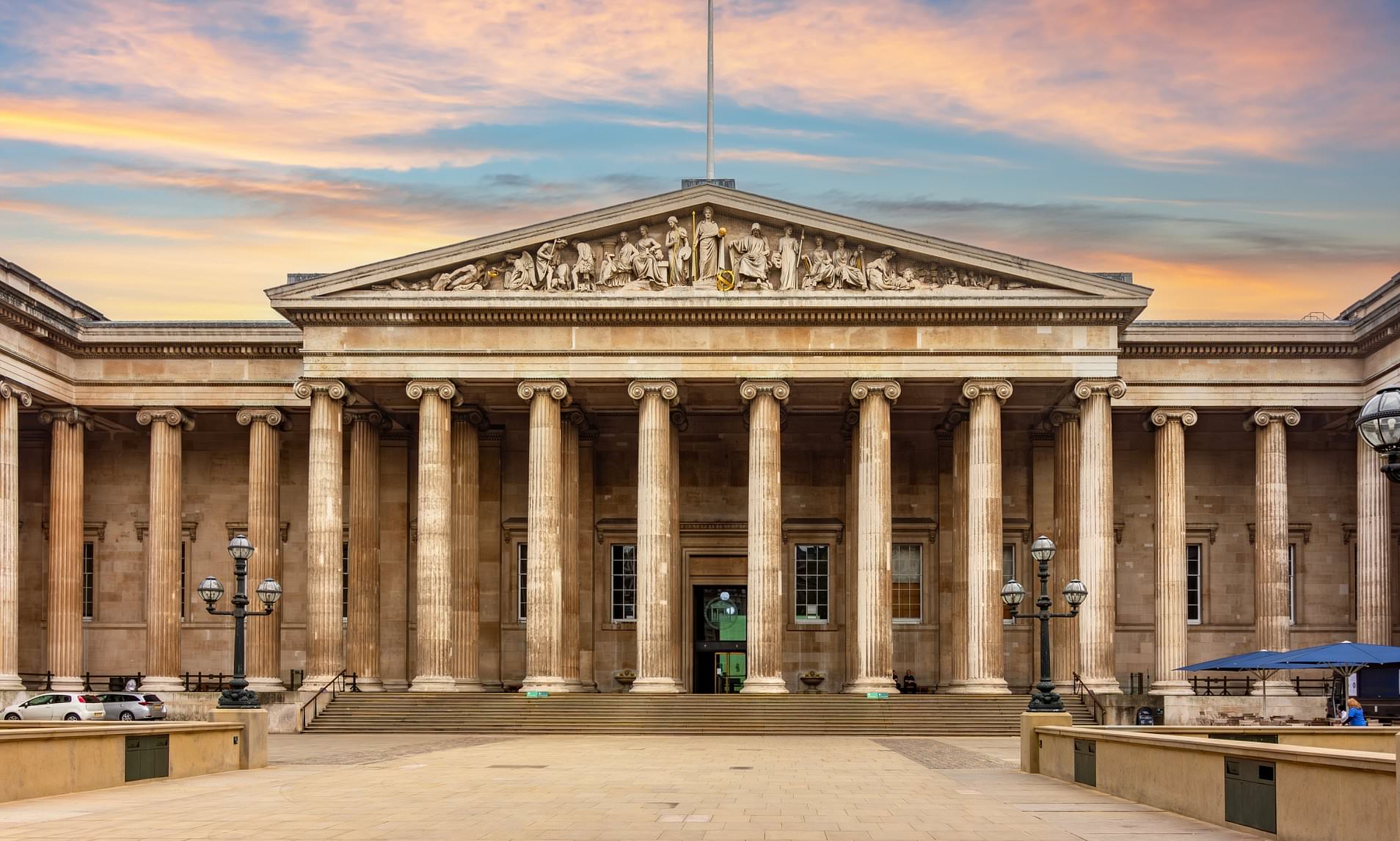
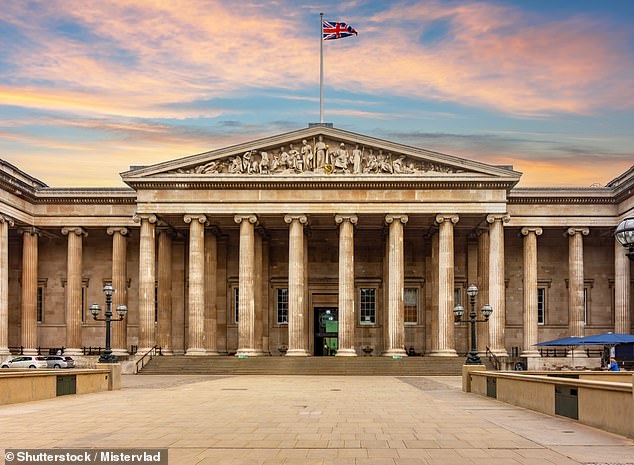
- The British Museum
- The Design Museum
- The National Gallery
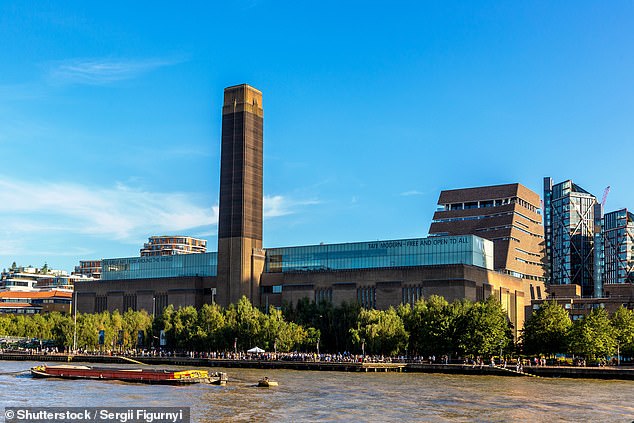
- Tate (including Tate Modern, Tate Britain, Tate Liverpool, and Tate St Ives)
- Sir John Soane’s Museum
- Nationwide:
- National Museums Liverpool
- Museum of Science and Industry in Manchester
- National Coal Mining Museum for England in West Yorkshire
However, this era of universal free access for national institutions could be drawing to a close. The DCMS has publicly stated its intention to “work with the museum sector to explore options for charging international visitors.” This announcement comes in the wake of a critical review of Arts Council England (ACE), which highlighted a challenging financial climate for the arts sector.
Review Highlights Financial Strain and Calls for Reform
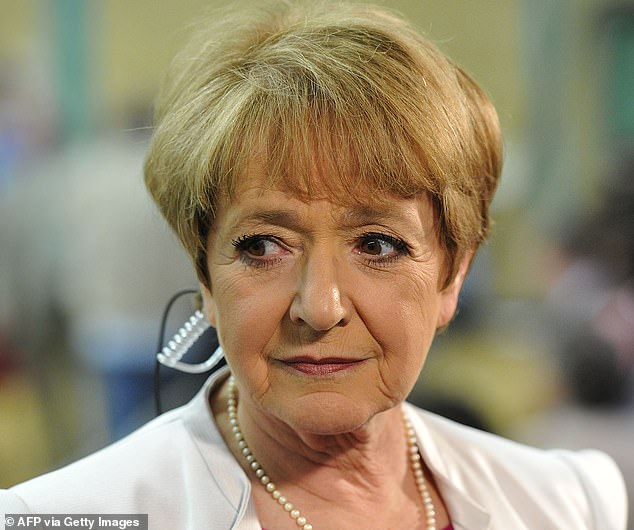
A review commissioned by the government and led by Baroness Hodge, a former Labour culture minister, pointed to a “bleak” funding picture over the past decade. Baroness Hodge’s report, which examined how Arts Council England distributes its substantial annual public funding of over £450 million, suggested that the current system might be overly prescriptive and could be stifling innovation.
The review indicated that organisations felt compelled to meet specific criteria set by ACE to secure funding, potentially overshadowing the core artistic mission. Baroness Hodge advocated for a “new, less prescriptive” model that would allow for greater autonomy and focus on the intrinsic value of art. Her findings suggested that the organisation had, in some instances, drifted from its original purpose, with art itself being deprioritised in favour of bureaucratic compliance.
Exploring New Revenue Streams
In response to these findings and the broader financial pressures, ministers are now actively considering the introduction of fees for international visitors. The DCMS is set to examine recommendations from Baroness Hodge’s review, including the potential for implementing new charges.
A statement from the DCMS outlined a comprehensive approach to revitalising the cultural sector. This includes exploring various avenues for investment and revenue generation, such as:
- Longer Funding Rounds: Committing to funding periods of up to five years for the National Portfolio of arts organisations.
- Incentivising Philanthropy: Encouraging private donations and charitable giving to the arts.
- Cultural Tax Reliefs: Offering tax benefits to individuals and corporations supporting cultural activities.
- Charging International Visitors: Investigating the financial benefits that could be derived from charging non-UK residents for entry to national museums.
A Vision for an Inclusive and Vibrant Cultural Sector
Culture Secretary Lisa Nandy articulated a strong vision for a more equitable and representative cultural landscape. She expressed a commitment to ensuring that the benefits of culture are accessible to all communities, regardless of their background or location. “I refuse to sit back while communities are forgotten in our national story,” Nandy stated. “Change must start today. That change begins with a culture sector that is proud and unafraid to tell the whole story of our nation.”
She further emphasized the need to build a cultural sector that serves the entire country and acts as a unifying force in challenging times.
Arts Minister Ian Murray echoed this sentiment, highlighting the government’s dedication to championing the arts and fostering widespread access to excellent cultural experiences. The ambition is to ensure that individuals across the UK can engage with culture in their local areas and to nurture the nation’s creative talent for future generations. Murray affirmed the government’s support for the Arts Council as it implements reforms aimed at revolutionising arts funding and enhancing public access to culture.
The government has already initiated steps to address the priorities identified in Baroness Hodge’s review. Earlier this year, a significant investment of £1.5 billion was announced for cultural infrastructure, marking the largest capital investment in the arts in over a decade. This comprehensive strategy aims to secure a more robust and accessible future for the UK’s rich cultural heritage.