Ethiopia’s Week of Reform and Progress
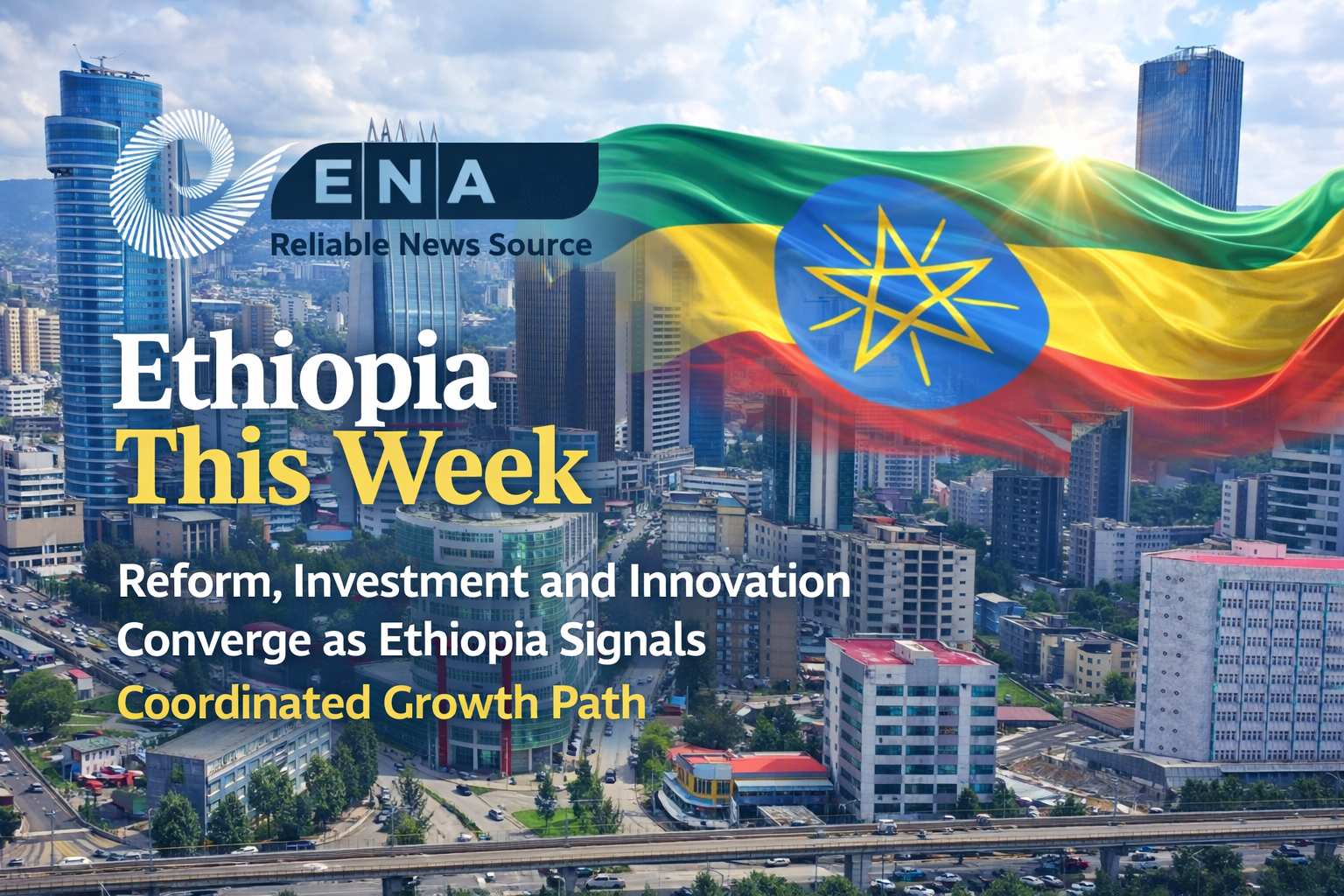
Ethiopia closed the first week of April 2026 with a clear sense of direction, marked by reform momentum, rising investment, and institutional progress. These developments underscore a broader shift toward coordinated growth and long-term transformation. The week was anchored by Prime Minister Abiy Ahmed’s reflection on eight years of reform, where he described a decisive transition “from a constrained and state-dominated system to a more open, resilient, and market-oriented economy.” His remarks captured a broader policy shift that is now increasingly visible across key sectors of the economy.
Reform Gains Deepen Across Sectors
Prime Minister Abiy Ahmed recalled that before 2018, economic expansion was limited by structural bottlenecks, weak export performance, and low private sector participation. He noted that key sectors struggled to generate sufficient foreign exchange. The reforms introduced since then, he said, are beginning to reverse those trends. “We have laid the foundation for a diversified economy driven by productivity, innovation, and private sector growth,” he added.
Macroeconomic adjustments have also reinforced these gains, with efforts to stabilize inflation, improve foreign exchange availability, and strengthen revenue mobilization. Financial sector reforms are gradually opening space for competition, while regulatory changes are improving the ease of doing business and investor confidence.
Agriculture remained central to the transformation. Ethiopia has achieved wheat self-sufficiency, significantly reducing imports and easing pressure on foreign currency reserves. Coffee production has nearly doubled, generating about 2.65 billion USD in export earnings during the current fiscal year, reinforcing its position as a leading global supplier. Oilseeds, pulses, and horticulture exports also showed steady growth, supported by expanded irrigation and improved input distribution.
Cluster farming has scaled up nationwide, improving productivity, strengthening value chains, and boosting farmer incomes. Mechanization and extension services have further enhanced efficiency. Livestock development, particularly in dairy and meat processing, is also gaining traction as part of export diversification.
The Ethiopian Agricultural Transformation Institute reported parallel gains, highlighting stronger productivity and improved market integration. Officials said production has risen significantly, with cluster farming now covering a substantial share of farmland. “The reforms are strengthening food sovereignty while creating new economic opportunities for farmers,” the institute stated.
Environmental efforts under the Green Legacy Initiative continued to show impact. More than 48 billion seedlings have been planted, contributing to increased forest coverage, watershed rehabilitation, and climate resilience. Officials stressed that the initiative reflects a commitment to aligning economic growth with environmental sustainability.
Industry, Mining, and Investment Expand
Industrial activity also maintained momentum. Special Economic Zones and industrial parks are attracting both domestic and foreign investors, particularly in manufacturing, agro-processing, and textiles. Import substitution strategies are reducing reliance on foreign goods while strengthening local production capacity.
Mining emerged as a major foreign exchange earner. Gold production reached nearly 39 tons, generating around 3.5 billion USD and accounting for a significant share of export revenue. New exploration licenses and policy incentives are expected to further expand the sector, positioning mining as a key pillar of the economy.
Investment momentum was reinforced during the Invest in Ethiopia 2026 forum, where the country secured 13.1 billion USD in agreements. According to the Office of the Prime Minister, the deals “demonstrate growing international confidence in Ethiopia’s reform trajectory and future economic potential,” spanning renewable energy, mining, agriculture, and green industry.
Digital Transformation Accelerates
Digital transformation continued to reshape service delivery and economic participation. Mobile penetration and digital financial services expanded rapidly, enabling millions to access banking, savings, and payment platforms. Interoperability between banks and mobile money providers is improving financial inclusion and transaction efficiency.
Innovation advanced further with the launch of teleSign by Ethio Telecom. The platform enables secure online authentication of legal documents, reducing processing times from weeks to minutes. Integrated with the Fayda system, it is expected to expand access to public services and support the growth of e-commerce and digital governance. Officials noted that “teleSign represents a major step in modernizing public service delivery and expanding digital access for citizens at home and abroad.”
Tourism and Cultural Initiatives Gain Ground
Tourism recorded solid performance, with more than 1.2 million international visitors over the past nine months, generating over 2 billion USD in revenue. Heritage sites, conference tourism, and eco-tourism are all contributing to the sector’s recovery and expansion.
National branding initiatives such as Dine for Sheger, Dine for Nation, and Dine for Generation continue to reshape the country’s global image while stimulating domestic tourism. Officials report that these programs are driving infrastructure development, job creation, and private sector participation in hospitality and cultural industries.
Energy Diplomacy and Strategic Partnerships
In the energy sector, Ethiopia took a strategic step forward as Foreign Minister Gedion Timothewos held talks with a Russian delegation, leading to the signing of a nuclear energy development roadmap. Officials described the agreement as “a forward-looking framework to support peaceful nuclear energy development,” aimed at complementing Ethiopia’s extensive renewable energy portfolio, including hydropower, wind, and solar.
The move signals a long-term vision to diversify energy sources, support industrialization, and meet rising domestic demand for electricity.
Dialogue and Political Inclusion Progress
Political developments also pointed to gradual progress in national reconciliation. The Ethiopian National Dialogue Commission advanced its agenda gathering process, with stakeholders from the Tigray region participating in consultations held in Addis Ababa. More than 700 participants took part in discussions and submitted priorities for national dialogue.
Participants described the process as “an important step toward rebuilding trust and ensuring inclusive national engagement,” highlighting the importance of sustained dialogue in securing long-term peace and stability.
Overall, the week’s developments reflected more than isolated gains. Reform policies are increasingly reinforced by investment inflows, technological advances, and institutional progress. Cross-sectoral alignment is becoming more evident, as agriculture, industry, digital systems, and governance reforms move in tandem.
Ethiopia’s trajectory is taking on a more coordinated character, where growth is supported not only by policy direction but by tangible outcomes across multiple fronts. The convergence of reform, investment, and innovation signals a transition toward a more resilient and forward-looking economic model built on productivity, inclusiveness, and long-term vision.