Ghanaian Journalists Enhance Skills in Mineral Revenue Governance Reporting
Journalists from leading Ghanaian media organizations have recently completed a specialized training program designed to bolster their reporting, public education, and accountability coverage concerning the Minerals Income Investment Fund (MIIF). The MIIF stands as Ghana’s primary institutional vehicle for the strategic management and investment of mineral royalties and other related revenues derived from the nation’s rich mineral resources.
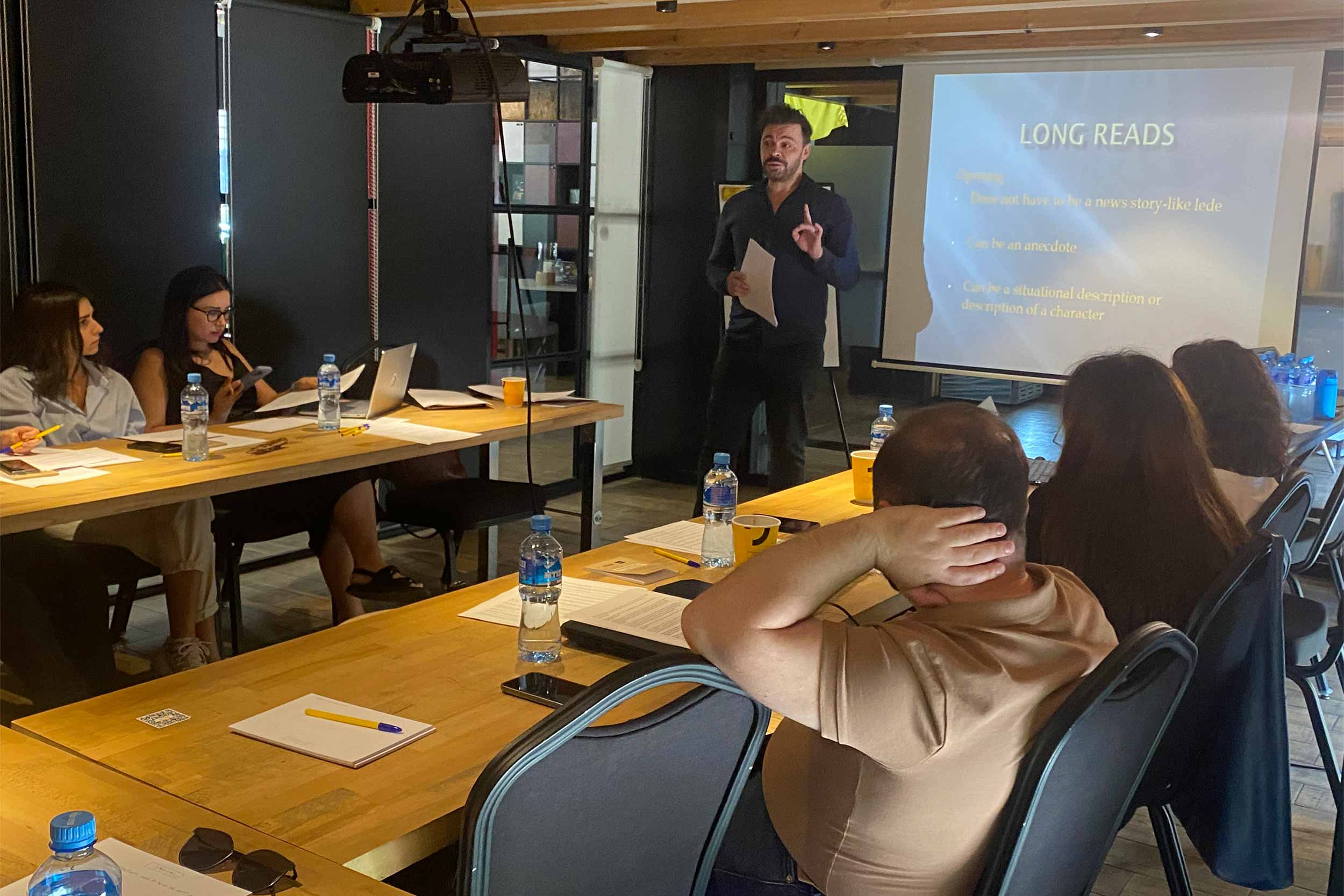
This intensive training initiative was convened as a pivotal component of a broader advocacy campaign focused on enhancing transparency and accountability within the governance framework of the MIIF. The program successfully brought together a diverse group of reporters, editors, and public-interest media practitioners. Its core objective was to deepen participants’ understanding of the MIIF’s legal mandate, its intricate governance structure, its disclosure obligations, its crucial role in investment, and its overarching significance for the effective governance of mineral revenues.
The session was strategically designed to support evidence-based public discourse and drive reform-oriented advocacy related to the MIIF. This is particularly pertinent at a time when critical issues surrounding transparency, institutional accountability, and the long-term stewardship of the nation’s mineral wealth remain at the forefront of Ghana’s extractive governance agenda.
Understanding the MIIF: A Deeper Dive
Participants were guided through the fundamental legal and policy underpinnings of the MIIF. The training elucidated its intended purpose in fostering long-term fiscal sustainability and maximizing value creation from the country’s mineral resources. A significant emphasis was placed on the indispensable role of media scrutiny in ensuring that the management of this vital mineral wealth remains consistently subject to informed public oversight.
Key areas explored during the training included:
- Legal and Policy Framework: An in-depth examination of the legislation and policies that establish and govern the MIIF.
- Investment Strategy: Understanding how the MIIF operates as an investment vehicle and its strategic objectives for mineral revenue.
- Governance and Oversight: Exploring the structures in place to ensure the MIIF is managed responsibly and accountably.
- Public Interest Mandate: Reinforcing the MIIF’s role in serving the broader public interest through its investments and revenue management.
Moving Beyond Event-Driven Reporting
A crucial takeaway from the training was the highlighted need for journalists to transcend mere event-driven coverage. Instead, the emphasis was placed on cultivating deeper, more sustained reporting that delves into critical aspects such as the MIIF’s governance independence, its commitment to public disclosure, the transparency of its investment activities, and its overall institutional accountability in managing mineral income.
Mr. Patrick Stephenson, the Country Manager for the Natural Resource Governance Institute (NRGI) Ghana office, addressed the participants, underscoring a vital point. He emphasized that effective accountability in mineral revenue governance is not solely dependent on robust laws and well-established institutions. It also critically relies on a media ecosystem that possesses the necessary knowledge and capacity to interpret complex public finance issues and effectively communicate these intricate matters to the citizenry.
Bridging the Gap for Public Understanding
The session further underscored the strategic importance of the media in acting as a conduit, effectively bridging the gap between technical policy analysis and the public’s understanding. By equipping journalists with the essential tools and knowledge to report more accurately and critically on the MIIF, this initiative aims to foster a more robust national dialogue. This discourse will focus on how Ghana manages its mineral-derived public wealth and whether the existing governance arrangements are sufficiently equipped to safeguard the public interest.
Participants were actively encouraged to pursue subsequent reporting endeavors. This includes developing in-depth explainers, conducting insightful interviews, producing comprehensive features, and crafting compelling editorial commentary. The overarching goal is to simplify complex MIIF-related issues for broader audiences, while rigorously maintaining accuracy, balance, and an unwavering focus on the public interest.
The ultimate aim of this comprehensive training is to contribute to a significant improvement in the quality of media coverage pertaining to the MIIF. This, in turn, is expected to foster greater public awareness regarding mineral revenue governance and generate stronger momentum for crucial transparency and accountability reforms within Ghana’s extractive sector.