Fuel Prices Skyrocket Across Australia Amidst Middle East Tensions
Australians are facing a significant surge in fuel prices, with reports indicating that some remote communities are already grappling with costs nearing $4 per litre for diesel. This alarming trend is directly linked to the escalating conflict in the Middle East, now entering its fourth day, and fears that the situation could worsen.
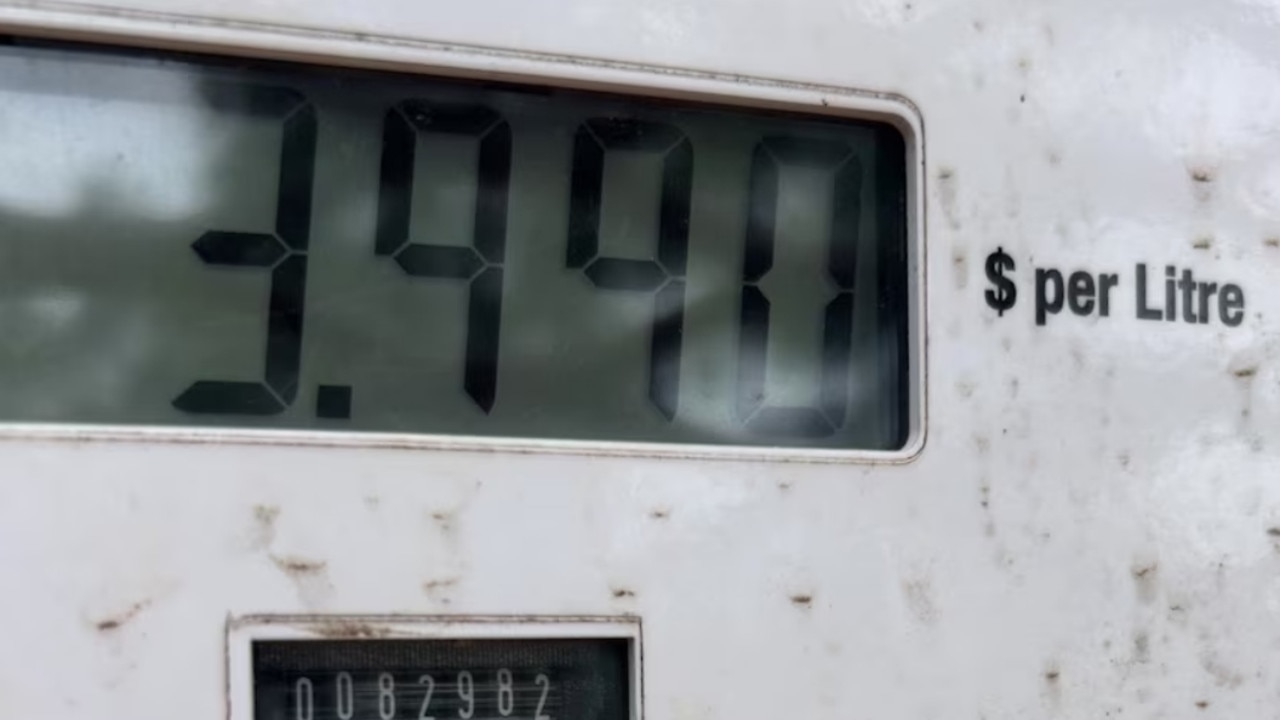
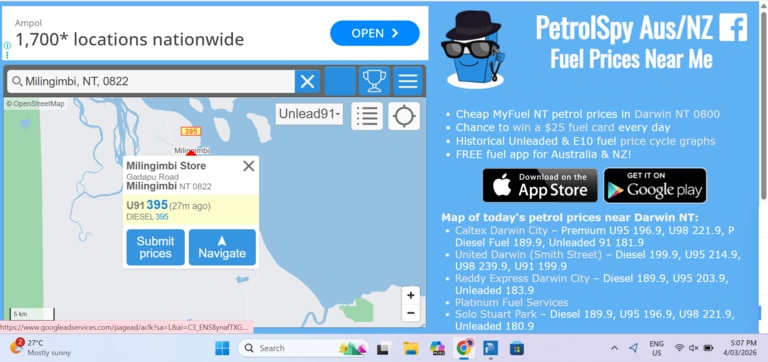
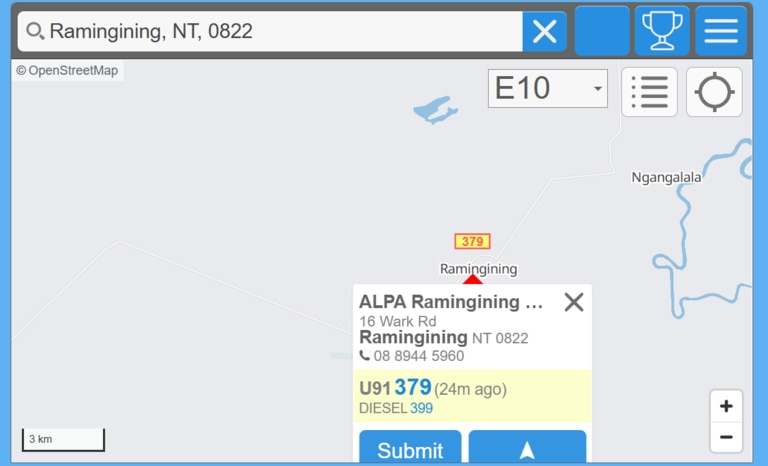
In the Northern Territory, communities far from major centres are bearing the brunt of these price hikes. Ramingining, a remote town situated 560 kilometres east of Darwin in Arnhem Land, is currently experiencing diesel prices of $3.99 per litre. Similarly, the nearby community of Milingimbi is seeing prices at $3.95 per litre.
Political Scrutiny and Accusations of “War Profiteering”
The dramatic rise in fuel costs has ignited a fiery debate in political circles, with accusations of “political war profiteering” being levelled. Industry Minister Tim Ayres has pointed fingers at the Coalition, suggesting their rhetoric has contributed to panic buying and inflated prices.
During a heated exchange in parliament, Mr. Ayres asserted that Australia’s fuel reserves are in their strongest position in 15 years. He criticised what he termed “far-right, extremist scaremongering” for driving Australians to petrol stations unnecessarily. He specifically targeted the Opposition, labelling them as “political war profiteers” who thrive on creating a sense of crisis and drama with a “hopelessly partisan approach.”
Mr. Ayres also took aim at the former Morrison government, claiming they did “more than any other government” to undermine Australia’s energy security. He was particularly critical of the current front bench, referring to them as “dimmest bulbs” and “low-watt, dim-wattage bulbs” responsible for disastrous economic policies.
Senator Bridget McKenzie, however, retorted that the Labor government has “no plan,” a statement that led to her being called to order.
Calls for Action Against “Unjustifiable” Prices
Beyond the political arena, petrol stations across the nation are facing backlash for what many consumers and industry bodies are deeming “unjustifiable” fuel prices. The ongoing Middle East conflict is being cited as a reason for further increases, with fears that prices will only continue to climb.
Peter Khoury, a spokesperson for the NRMA, expressed strong disapproval of the current pricing. “It is just a ridiculous price when we are in the middle of this conflict and we know things are going to get worse,” he stated.
The NRMA has formally requested that the Australian Competition and Consumer Commission (ACCC) intervene to curb what they perceive as inflated fuel pricing. According to the NRMA, a significant portion of service stations in Sydney, Melbourne, and Brisbane are charging close to $2.20 per litre.
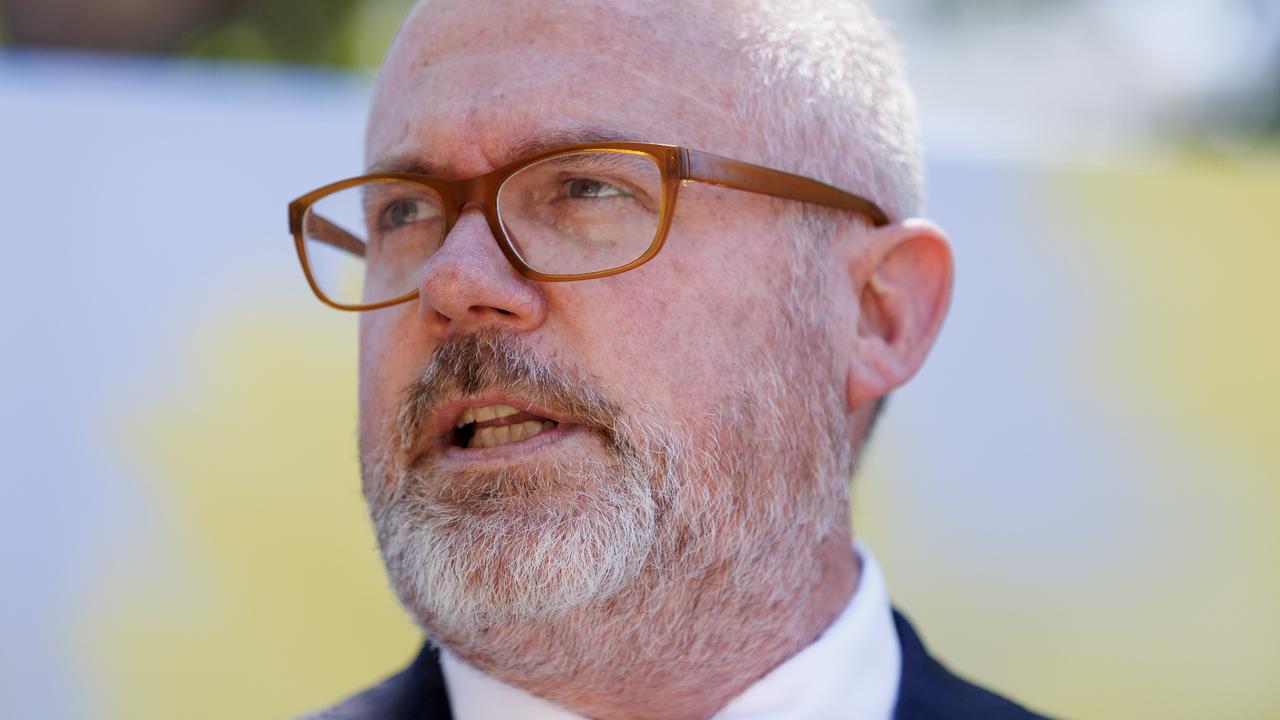
Treasurer Jim Chalmers has acknowledged these concerns and confirmed he has written to the ACCC, urging them to ensure that service stations are not “doing the wrong thing” and “taking advantage of people.” While acknowledging that market fluctuations are expected, Mr. Chalmers stressed that retailers cannot exploit consumers during times of crisis.
The Role of the Middle East Conflict and Supply Chains
The current spike in fuel prices is inextricably linked to the geopolitical situation in the Middle East. Approximately 20 per cent of the world’s oil and gas supply is transported through the Strait of Hormuz, a crucial shipping lane located on Iran’s southern border. The recent escalation of conflict in the region has led to the effective closure of this vital artery, disrupting global supply chains.
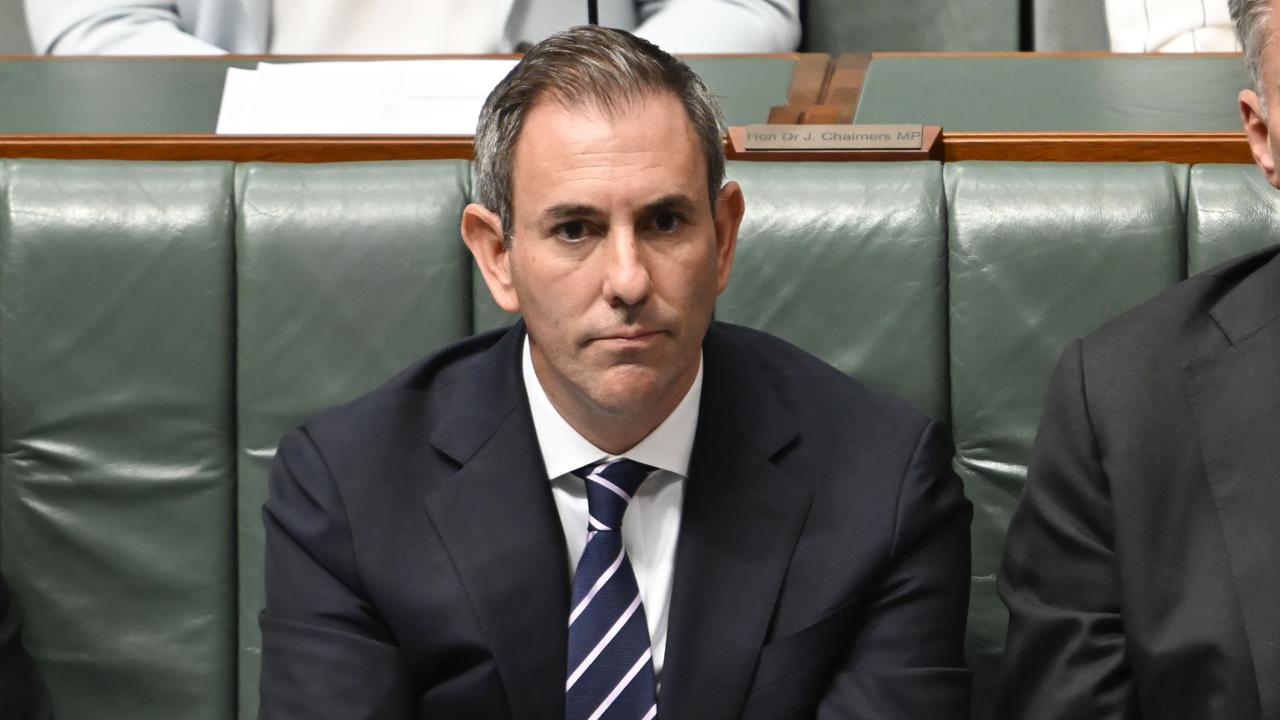
This disruption has inevitably led to a global increase in fuel prices, with concerns mounting over the potential duration of the conflict and its long-term impact on energy markets.
How Price Hikes Translate Down Under
The NRMA highlights that it typically takes between 7 to 10 days for increases in global oil prices to be reflected at the pump in Australia. However, Mr. Khoury suggests that the current price hikes may be happening sooner than this usual lag period.
“That’s why you know NRMA has put this warning out today because we know it hasn’t been 7 to 10 days,” he explained. He further elaborated that price cycles in major cities like Sydney, Brisbane, and Melbourne have already negatively impacted families, and that oil companies might be using the Middle East crisis as a pretext to increase their profit margins.
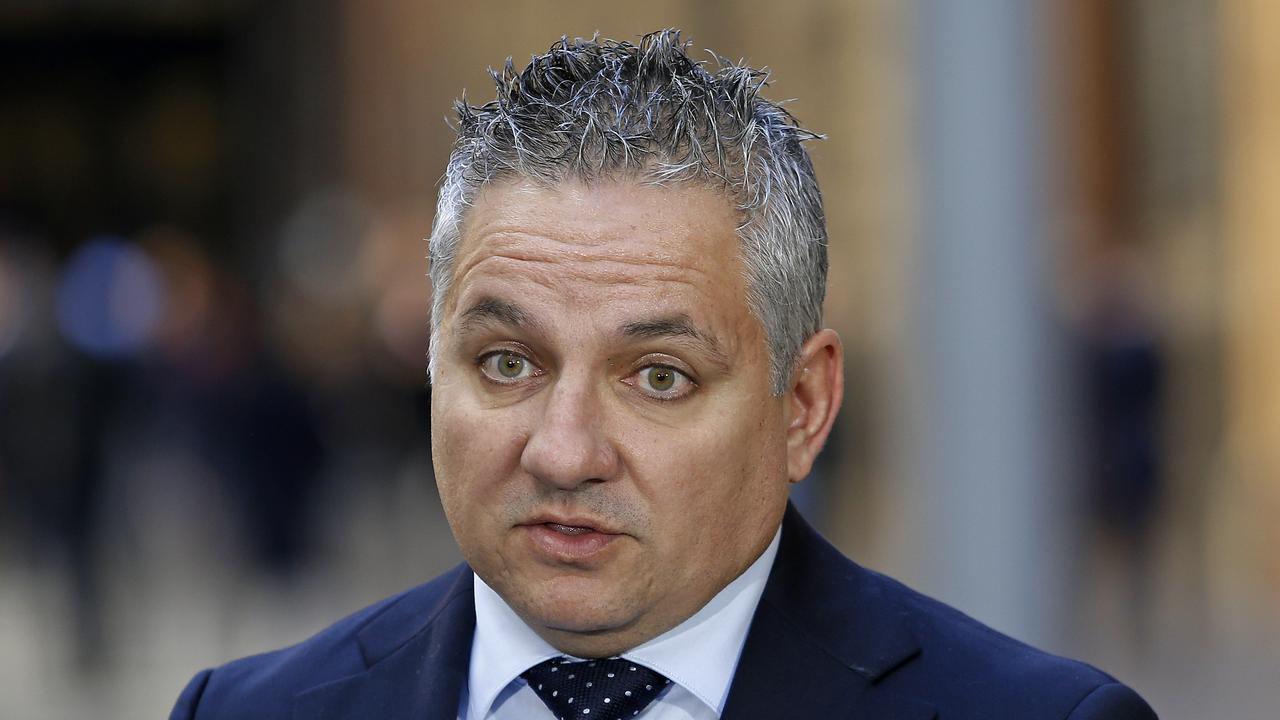
In response to the rising costs and the anticipation of further increases, many Australians have been seen flocking to service stations to fill up their vehicles.
Navigating the Price Landscape
The NRMA is encouraging motorists to utilise resources like the My NRMA App to stay informed about the best available prices and identify the “cheapest option” in their local areas.
The average prices for regular unleaded petrol per litre across key Australian cities, according to the NRMA, are as follows:
- Sydney: 209.5 cents
- Melbourne: 207.7 cents
- Brisbane: 210.2 cents
- Adelaide: 185.0 cents
- Perth: 189.1 cents
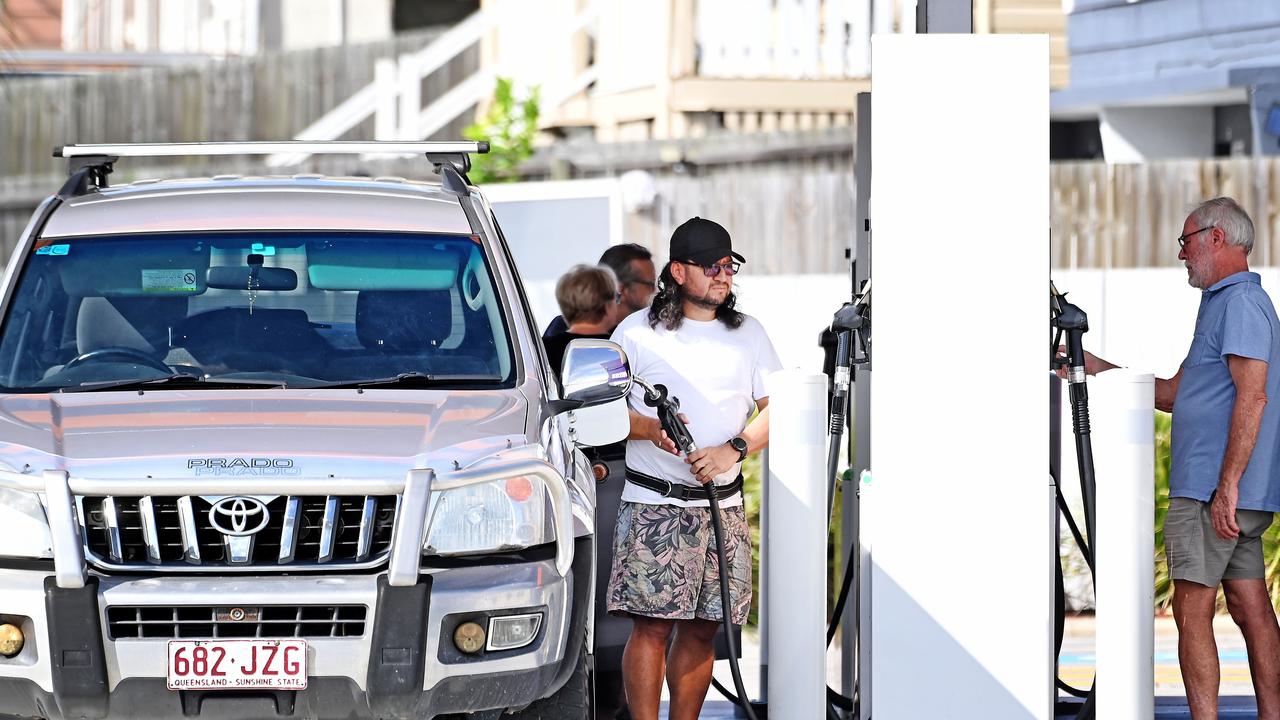
As the Middle East conflict continues, Australians are bracing for further volatility in fuel prices, with the nation’s economic and personal budgets likely to feel the pinch in the coming weeks and months. The situation underscores the global interconnectedness of energy markets and the far-reaching impact of geopolitical instability.