Singapore’s Investment Landscape: A Tale of Rising Capital, Falling Job Pledges
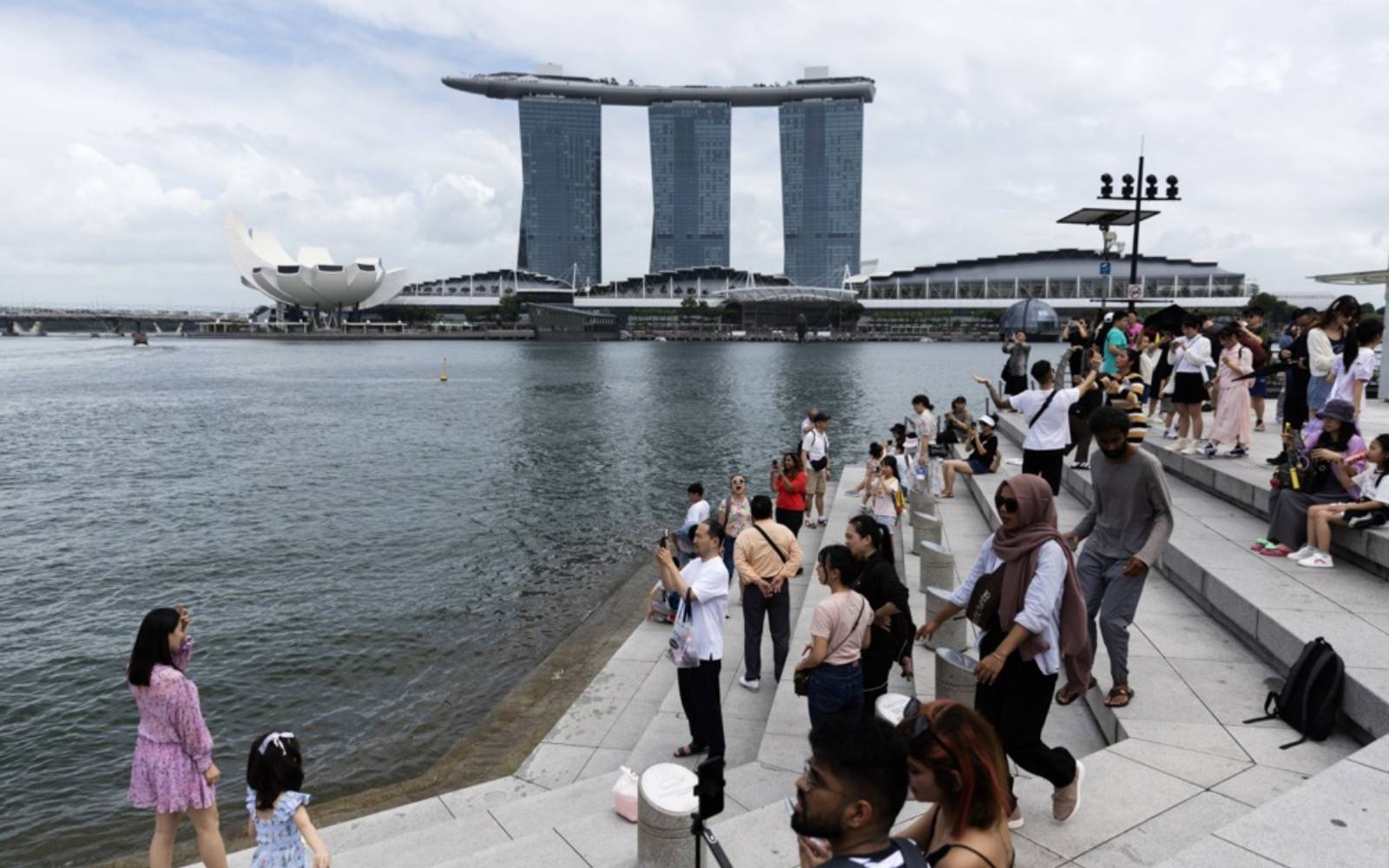
Singapore’s economic trajectory in the past year presents a nuanced picture: while the city-state is successfully attracting substantial foreign investment, the expected job creation from these commitments has seen a significant decline, reaching levels not observed in decades. This trend, detailed in the Economic Development Board’s (EDB) latest annual reviews, indicates a potential shift in the nature of investments pouring into the nation.
Fixed-asset investment commitments surged to S$14.2 billion in the past year, marking a healthy 5.2% increase from the preceding year. This robust performance was largely bolstered by burgeoning demand within the high-growth sectors of artificial intelligence and electronics. Manufacturing-related ventures, a cornerstone of Singapore’s economy, were particularly strong, accounting for a substantial S$12.1 billion of these commitments. This segment includes critical industries such as semiconductors, biomedical sciences, and aerospace, underscoring Singapore’s continued strength in advanced manufacturing.
However, the flip side of this investment success is the projected job creation. The commitments secured are expected to generate approximately 15,700 jobs over the next five years. This figure represents the lowest job creation projection since at least 2006, signalling a potential move towards more capital-intensive or automation-driven investments.
Furthermore, the anticipated economic contribution, measured in value-added per year once fully realised, also showed a softening. These investments are estimated to contribute S$18 billion annually, which is the weakest projection observed since 2021. This suggests that while capital is flowing in, the immediate economic impact in terms of value generation might be less pronounced than in previous investment cycles.
Shifting Global Investment Flows
The source of these investments also reveals an interesting shift. China has emerged as a significant player, becoming the second-largest contributor to fixed-asset investment commitments, accounting for a substantial 20.6% of the total. This represents a dramatic increase from a mere 2.5% a year prior, indicating a renewed or intensified focus on Singapore by Chinese investors.
Conversely, the United States’ share in fixed-asset investment commitments saw a notable decrease, dropping to 17.3% from a commanding 55.5% in the previous year. Despite this reduction, Europe maintained its position as the top contributor to Singapore’s investment inflows, highlighting its consistent and significant role in the nation’s economic development.
Sectoral Strengths and Future Outlook
The strong performance in the AI and electronics sectors is a testament to Singapore’s strategic focus on emerging technologies and its ability to attract cutting-edge industries. These sectors are often characterised by high capital expenditure and a focus on research and development, which could explain the lower job creation figures.
The continued strength in manufacturing, particularly in semiconductors, biomedical sciences, and aerospace, reinforces Singapore’s position as a global hub for advanced manufacturing. These industries require significant investment in infrastructure, technology, and specialised equipment, aligning with the trend of capital-intensive growth.
The EDB’s annual reviews provide crucial insights into the evolving dynamics of foreign direct investment. While the headline figures for investment commitments remain strong, the declining job creation projections warrant close monitoring and strategic planning. Singapore’s economic policymakers will likely need to adapt strategies to ensure that future investment continues to translate into robust employment opportunities and broad-based economic benefits for its citizens, even as the nature of global capital flows and technological advancements reshape the investment landscape. The city-state’s ability to attract and leverage these investments while fostering inclusive growth will be key to its sustained economic prosperity.