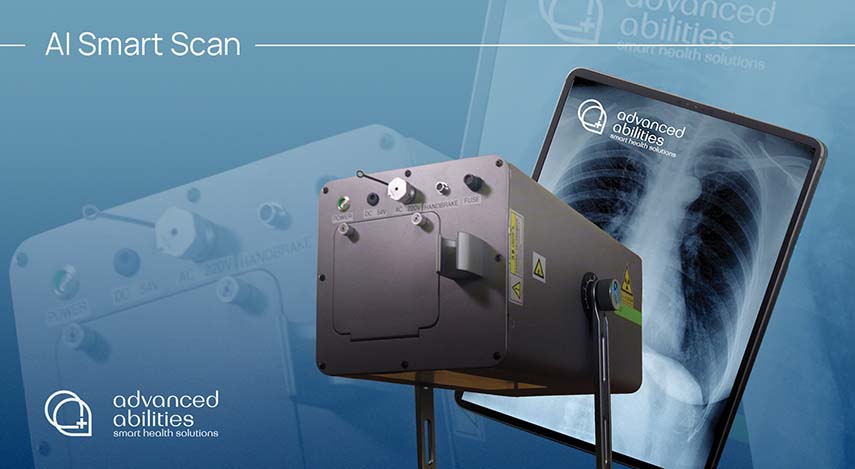
Ghana bolsters its fight against Tuberculosis with the introduction of cutting-edge diagnostic technology, a crucial step forward in enhancing disease detection and patient care nationwide. This significant initiative, coinciding with World Tuberculosis Day, underscores Ghana’s commitment to eradicating TB as a public health threat.
Advanced Diagnostic Equipment Deployed Nationwide
The Ghanaian Ministry of Health has officially handed over a substantial package of advanced diagnostic equipment to health facilities across the country. This investment includes:
- 10 Artificial Intelligence (AI)-enabled Digital X-ray Systems: These systems are designed to revolutionize the screening process for TB. The AI component will assist in the rapid interpretation of X-ray images, potentially identifying signs of TB much faster and more accurately than traditional methods. This is particularly beneficial in areas with limited access to experienced radiologists.
- 15 GeneXpert Machines: These state-of-the-art molecular testing machines will significantly expedite the diagnosis of TB. Crucially, they can detect not only the presence of TB bacteria but also identify strains that are resistant to common drugs. This rapid identification of drug-resistant TB is vital for initiating the correct and most effective treatment regimens without delay.
The distribution of this equipment is strategically focused on key health institutions, with a particular emphasis on reaching underserved communities. The aim is to bridge the diagnostic gap and ensure that individuals in remote or resource-limited areas have access to the same quality of diagnostic services as those in urban centres.
A Strategic Investment in Public Health
The deployment of this advanced technology represents a tangible shift from policy discussions to practical implementation in the fight against TB. Professor Dr. Grace Ayensu-Danquah, Deputy Minister of Health and Member of Parliament for Essikado-Ketan, formally presented the equipment to the Ghana Health Service (GHS) during the launch of the 2026 World TB Day in Accra.
The total value of this equipment is approximately GH¢30 million. This investment is a cornerstone of the Government’s broader Free Primary Healthcare programme, which aims to expand access to essential medical services and remove financial barriers that often prevent individuals from seeking timely care.
Professor Ayensu-Danquah emphasized the critical role of timely diagnosis in Ghana’s TB response, acknowledging that thousands of cases go undetected annually. “The handing over of these machines is not just symbolic; it is a decisive investment in saving lives and breaking the chain of transmission,” she stated. The new tools are expected to dramatically reduce diagnostic delays, leading to improved treatment outcomes and a reduced spread of the disease.
Complementary Resources and International Support
To ensure the full effectiveness of the new diagnostic systems, additional essential supplies are slated for delivery in the near future. These include testing cartridges for the GeneXpert machines and TB-LAM kits, which are rapid diagnostic tests that can detect TB in urine samples. These complementary resources will guarantee uninterrupted diagnostic services and support a comprehensive approach to TB detection.
The success of this initiative is also attributed to the invaluable support of international partners. The Global Fund and UNICEF have played instrumental roles in strengthening Ghana’s diagnostic capabilities, providing crucial funding and technical expertise.
Call to Action for Healthcare Professionals and Communities
The Ministry of Health has urged beneficiary health facilities to prioritize the proper maintenance and optimal utilization of the new equipment. Healthcare workers are encouraged to embrace these advanced tools to intensify case-finding efforts and significantly improve patient outcomes.
Dr. Samuel Kaba Akoriyea, the Director General of the GHS, called upon the healthcare workforce to recommit themselves to delivering excellent services. He also issued a call to action for communities, institutions, and partners to amplify their efforts in the collective mission to eliminate tuberculosis as a public health threat.
Chief Austin Arinze Obeifuna, Vice Chair of Stop TB Partnerships and President of the Union Africa Region, commended Ghana for its growing commitment to domestic resource mobilization, highlighting it as a testament to strong leadership and national ownership of the TB response. However, he also stressed the importance of exploring sustainable domestic interventions to accelerate progress and reduce reliance on external funding. Chief Obeifuna urged for sustained political leadership, enhanced community engagement, strategic partnerships, and continued investment to achieve better results in the fight against TB.
Bridging the Detection Gap Towards Elimination
With an estimated 44,000 new TB cases emerging annually in Ghana, the deployment of modern diagnostic tools marks a pivotal moment. Authorities are confident that these advancements will significantly bridge the existing detection gap, accelerating progress towards the ultimate goal of eliminating TB as a disease.
World Tuberculosis Day, observed globally on March 24th each year, serves as a critical platform to raise public awareness about the global TB epidemic and galvanize efforts towards its eradication. The theme for the 2026 observance, “Yes! We Can End TB! Led By Countries. Powered By People,” resonates deeply with Ghana’s proactive approach.
This significant event was held in collaboration with esteemed organizations including the World Health Organisation, UNICEF, Stop TB Partnerships, TB Voice, and the Aurum Institute, underscoring a unified global commitment to ending TB.