Challenges in Expanding Biodiesel Blends in Malaysia
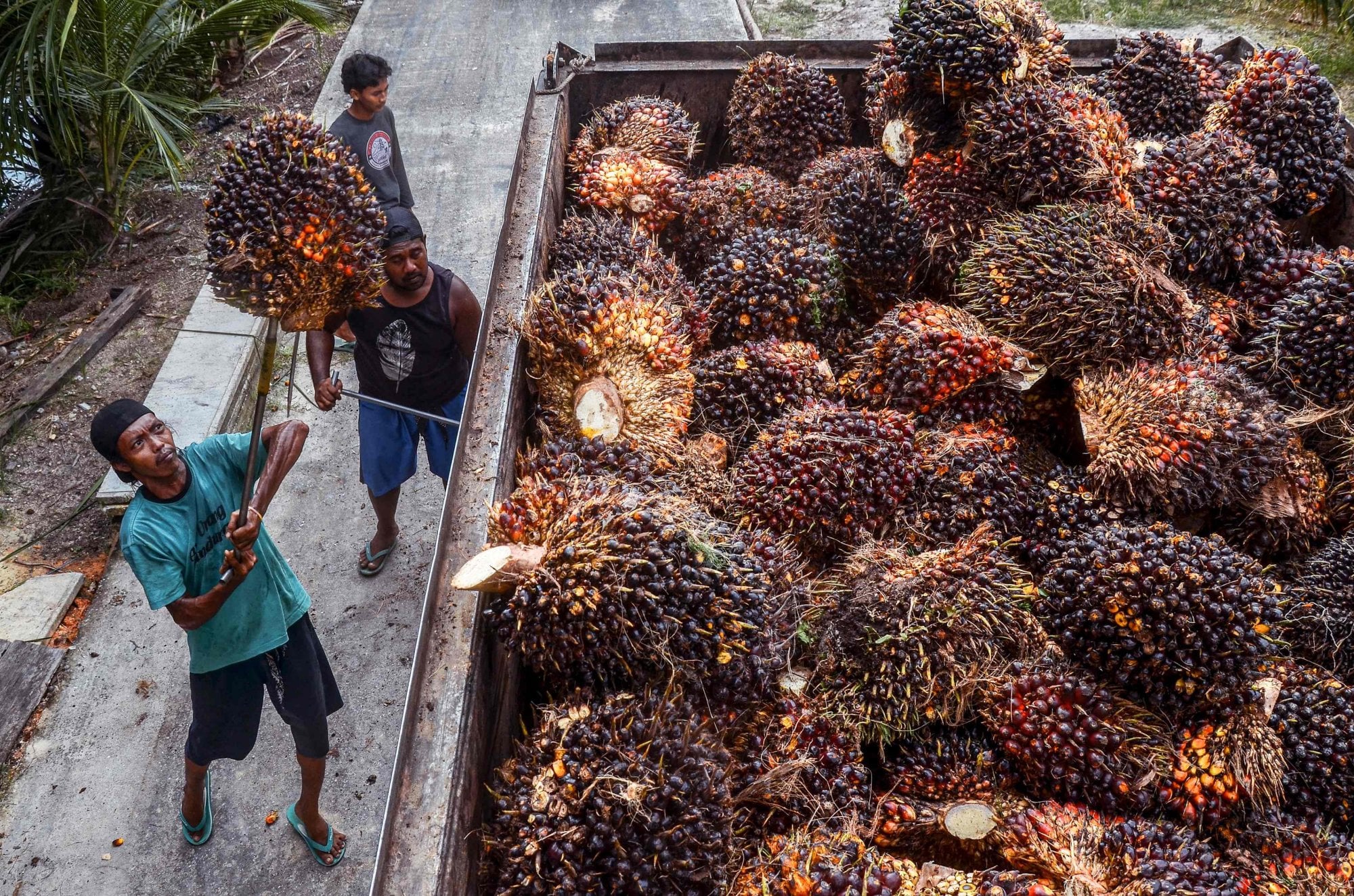
Malaysia is facing renewed pressure to expand its use of palm-based biodiesel as the ongoing conflict in Iran drives up fuel costs. However, industry and academic observers suggest that high infrastructure costs and slow implementation make it an unlikely source of quick relief for the country’s fuel crisis.
The tension has intensified as the government deals with a growing fuel subsidy bill and increased exposure to imported supply shocks. The finance ministry recently stated that petrol and diesel subsidies could reach 4 billion ringgit (US$903 million) per month, given crude oil prices hovering around US$100 per barrel. Prime Minister Anwar Ibrahim has highlighted that nearly half of Malaysia’s oil supply passes through the Strait of Hormuz, which has been largely closed due to the conflict, making the country more vulnerable to supply disruptions.
In Peninsular Malaysia, diesel prices rose to 6.02 ringgit per litre for the week of April 2 to 8, while the monthly subsidized RON95 quota under the BUDI95 scheme was reduced from 300 litres to 200 litres. This fuel shock has reignited a long-standing debate about whether Malaysia should accelerate its stalled B20 biodiesel program—a blend consisting of 20% biodiesel and 80% petroleum diesel.
Former commodities minister Teresa Kok recently suggested that palm methyl ester had become cheaper than pure diesel at current prices and urged the government to revive delayed depot upgrades. She noted that B20 could be approximately 20 sen (4 US cents) per litre cheaper than B0 based on crude palm oil at 4,500 ringgit per tonne and Euro 5 diesel at US$220 per barrel.
In a column published by The Star, plantation industry expert Joseph Tek Choon Yee said the recent price surge had brought the biodiesel debate back into focus, turning it into a more urgent economic question as imported diesel became costlier. The issue is being closely watched beyond Malaysia, as palm oil plays a key role in both regional trade and global food supply chains.
According to data from the US Department of Agriculture, Indonesia is expected to produce 46.7 million tonnes of palm oil in the 2025–26 season, while Malaysia is projected to produce 20.2 million tonnes. The UN Food and Agriculture Organization reported that palm oil prices in March reached their highest level since mid-2022, driven by higher crude oil prices and lower-than-expected output in Malaysia.
Regional Contrast in Biodiesel Policies
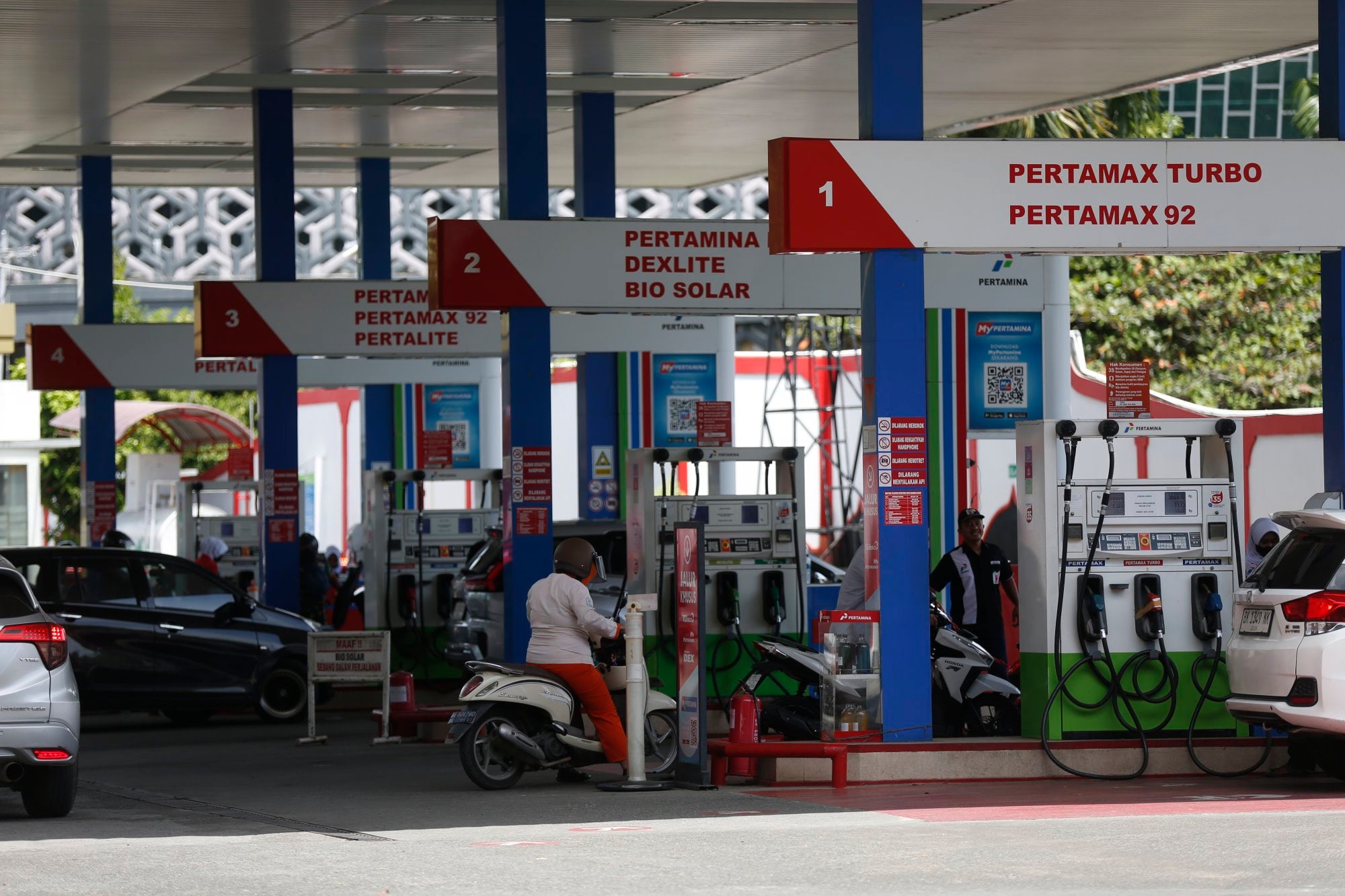
Indonesia has taken a different approach compared to Malaysia. President Prabowo Subianto announced on March 30 that the country would proceed with a B50 biodiesel blend this year, increasing the palm oil-based mix from 40% to 50%. This decision came as the widening conflict involving Iran and broader energy disruptions pushed Indonesia to rely more heavily on domestic biofuel production.
In contrast, Malaysia has maintained its nationwide biodiesel mandate at B10. A higher B20 blend is already used in Labuan, Langkawi, and most of Sarawak, excluding Bintulu. Pilot projects have also expanded B20 use to ground transport vehicles at Kuala Lumpur International Airport and to trials at ports including Northport, Johor Port, Port of Tanjung Pelepas, and Kuching Port.
Last year, former plantation and commodities minister Johari Abdul Ghani stated there were no plans to raise the national blend to B20 because the required infrastructure would cost about 643 million ringgit, and neither the government nor the industry was prepared to cover the costs.
Ahmad Parveez Ghulam Kadir, director general of the Malaysian Palm Oil Board, noted that Malaysia has the fundamental policy framework and partial supply capability to position palm biodiesel as a supplementary energy buffer, especially during periods of elevated crude oil prices. However, he warned that wider acceleration would be complex and depend on infrastructure, supply chains, and industry readiness.
Storage tanks, blending facilities, and distribution systems would need upgrades, he said, while larger volumes of biodiesel would also require feedstock planning and a reliable methanol supply at a time when methanol prices are under pressure.
Diverging Strategies Between Malaysia and Indonesia
Helena Varkkey, an associate professor of political ecology at the University of Malaya, pointed out that Malaysia is approaching the issue differently than Indonesia. “Indonesia’s strategy for going with a bigger mix is in large part to secure the local market for their palm oil, in the face of market restrictions abroad,” she told This Week in Asia.
Malaysia, she added, still has relatively secure export demand from markets such as China, India, and Pakistan, while its overall production is much smaller than Indonesia’s. This gives Malaysia more flexibility in managing its palm oil exports.
Hong Leong Investment Bank recently raised its 2026 crude palm oil forecast to 4,350 ringgit per tonne, citing stronger biodiesel economics and tighter near-term supply due to the West Asia conflict, as reported by state news agency Bernama.
RHB Investment Bank, meanwhile, warned that higher biodiesel mandates in Indonesia and elsewhere could be the biggest repercussions from the conflict. It also noted that a B20 mandate in Malaysia would roughly double the amount of crude palm oil used by the current B10 program.
Varkkey emphasized that Malaysia is unlikely to see quick relief from a sharper biodiesel push because the fuel shock is moving faster than the country’s infrastructure can respond. “Since the Iran war requires a quick response, I do not think that the shift to higher biodiesel can happen in a timely manner which can help with the immediate situation,” she said. “Therefore, in my opinion, palm oil would still be more valuable as a food and export commodity for Malaysia.”