A Call for Justice After the Kabul Bombing
Human rights groups have called for an independent investigation into the March 16 bombing of a drug treatment centre in Kabul, which killed 411 people. The attack has left families like that of Samira Muhammadi shattered and searching for answers.
Muhammadi, a 43-year-old mother from Afghanistan, hopes that an international investigation can “extinguish” her pain after the bombing claimed the life of her son, Aref Khan, along with hundreds of other Afghans. According to Afghan officials, the attack on the drug treatment centre resulted in at least 411 deaths, though a United Nations source, speaking on condition of anonymity, confirmed at least 250 fatalities, with more still missing.
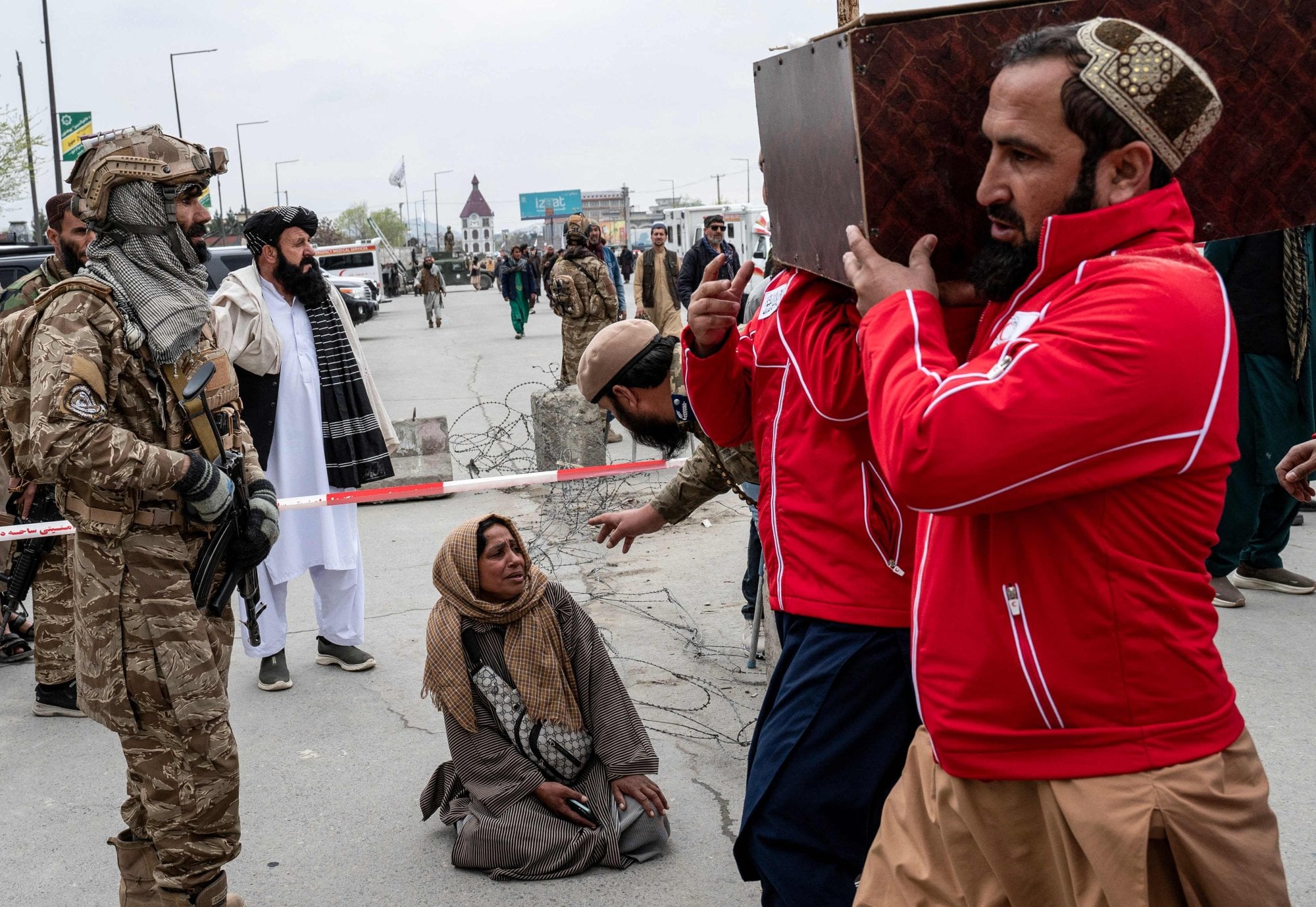
The incident has sparked global concern, with many questioning how such a tragic event could occur. “There should be investigations on this,” said Muhammadi, who scrolled through photos of her eldest son at home. “Like me, many mothers lost their sons, many women lost their husbands and many sisters lost their brothers.”
Escalating Tensions Between Afghanistan and Pakistan
Afghanistan and Pakistan have been locked in an escalating conflict over claims from Islamabad that Kabul is harboring militants responsible for cross-border attacks, which the Taliban government denies. Pakistan has maintained it struck a military installation and did not respond to questions about a possible investigation into the deadly Kabul bombing.
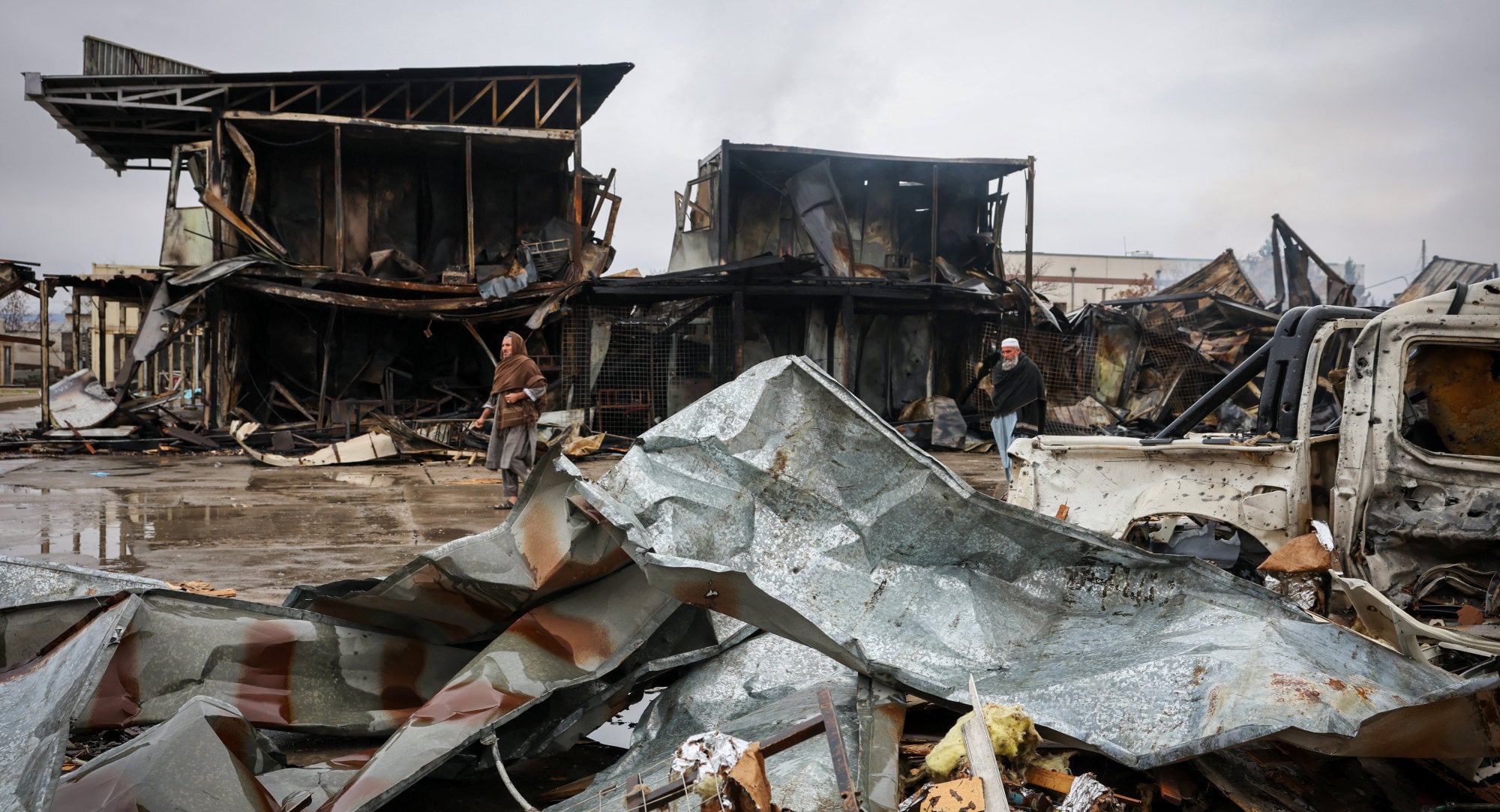
Journalists at the scene in the hours after the attack saw dozens of bodies, including some that had been torn apart and burned. The force of the blast made it difficult to identify some of the victims, according to the Norwegian Refugee Council, a humanitarian NGO that visited the site shortly after the attack.
Muhammadi’s son, Aref Khan, had become addicted to methamphetamine while working at a slaughterhouse in Iran alongside his mother. “His coworkers told him the drug would help him stay awake,” she said. The family returned to Afghanistan a few months ago and tried to build a life in Kabul, with Khan working as a day labourer while Muhammadi found employment as a domestic cleaner.
A Tragic Turn of Events
But Afghan authorities had her son admitted to the “Camp Omid” rehabilitation centre in eastern Kabul to deal with his addiction. “I sat with him and recorded a video of him, and he was having his food,” recounted Muhammadi, who had brought her son supplies just hours before the attack. “Usually, when there is a war, the military places are targeted or hit, so why did they [Pakistan] hit the hospital?” she asked.
The bombing has led to calls for an independent investigation by several international humanitarian NGOs, including War Child UK, which condemned the bombing, noting that hospitals must not be attacked. Amnesty International, Human Rights Watch and the UN High Commissioner for Human Rights have also called for an independent investigation.
The Long Road to Accountability
The latter said those responsible should be “held to account in line with international standards.” The Taliban government said that it has given media, diplomats and NGOs access to the site and has “shared the evidence.”
“The initial responsibility actually falls on the alleged perpetrator of human rights violations, which is Pakistan,” said Richard Bennett, the UN special rapporteur on Afghanistan. Kenneth Roth, a visiting professor at Princeton University in the United States, said he “would hope that Pakistan would want to know what went wrong” after “many innocent people died.”
States are generally reluctant to question themselves, but “even the Pentagon investigates why it struck and killed so many children in a school in Iran,” said Roth, a long-time former Human Rights Watch executive director.
The Role of International Institutions
Several victims’ relatives said they would have more confidence in an investigation from international institutions. The UN mission in Afghanistan has a mandate to investigate the impact of the conflict on civilians in the country and, therefore, the bombing.
“This process can take some time, especially in mass casualty events such as this one, and is ongoing,” the agency said, adding that it relies on sources including witnesses and doctors, as well as examinations of affected sites.
If it was found to be “an intentional or reckless attack on civilians, this attack could clearly lead to criminal charges,” Roth said. While the agency does not have the power to press charges, the International Criminal Court has jurisdiction over war crimes committed in Afghanistan, and can pursue even nationals from non-member states. But it tends to look at patterns rather than individual incidents.
“So even though there was one very unfortunate alleged crime, I don’t think it would prosecute that without a pattern of misconduct,” Roth said.
A Determined Fight for Justice
“If we do not ask about this now, we will probably experience the same harm again,” said Muhammadi, who remains determined to seek justice despite the uphill struggle.
No one has been convicted internationally for recent strikes on health facilities in Gaza, Ukraine, Sudan or Myanmar. “The lack of prosecutions encourages these war crimes,” Roth said.
In Kabul, Muhammadi continued to fight for answers, hoping to uncover the truth behind the tragedy that took her son’s life. “I want to investigate why a 20-year-old, who had been taken to the hospital for treatment, was killed and burnt,” she said.