F1’s New Era: A Tale of Two Titans on the Evolving Track
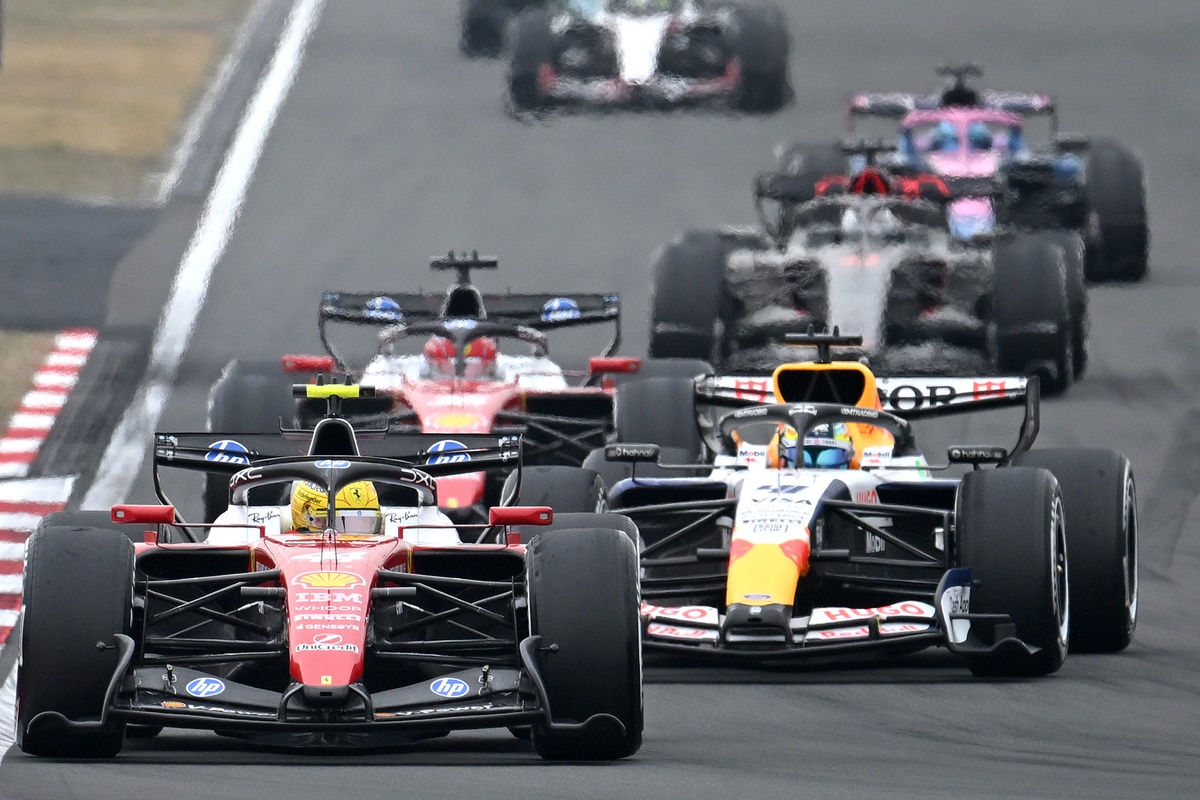
Formula 1’s 2026 season is proving to be a watershed moment, dramatically reshaping the racing dynamics and igniting a fervent debate among its stars. At the heart of this discourse are two of the sport’s most prominent figures, Lewis Hamilton and Max Verstappen, who find themselves on opposite ends of the spectrum regarding the impact of the new regulations. While Verstappen has been an outspoken critic, Hamilton sees the changes as a revitalisation, bringing the sport closer to its purest form.
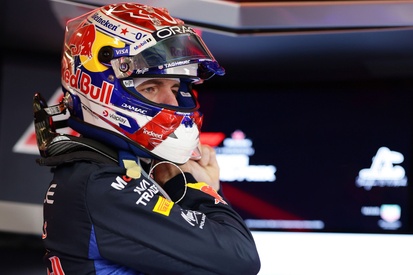
Verstappen has not shied away from expressing his discontent, particularly with the increased emphasis on energy management. He has described the current approach as akin to “Formula E on steroids,” where the necessity of “lift-and-coast” driving has become a dominant feature. This tactic, which involves drivers easing off the throttle and coasting to conserve energy, has drawn sharp criticism from the reigning champion.
“It’s terrible, if someone likes this, then you really don’t know what racing is about,” Verstappen stated at the Chinese Grand Prix. “It’s not fun at all. It’s playing Mario Kart. This is not racing. You are boosting past, then you run out of battery the next straight, they boost past you again. For me, it’s just a joke.”
Hamilton, however, offers a contrasting perspective. The seven-time world champion suggests that Verstappen’s negative reaction might be influenced by Red Bull’s current standing in the competitive order. He believes the “yo-yo” style of racing, characterised by frequent overtakes and lead changes, is a far more engaging spectacle for both drivers and fans.
“If you go back to karting, it’s the same thing,” Hamilton argued, drawing a parallel to the fundamental appeal of karting. “People are going back and forth, back and forth, you can never pull away. No one has ever referred to go-karting as yo-yo racing. It’s the best form of racing.”
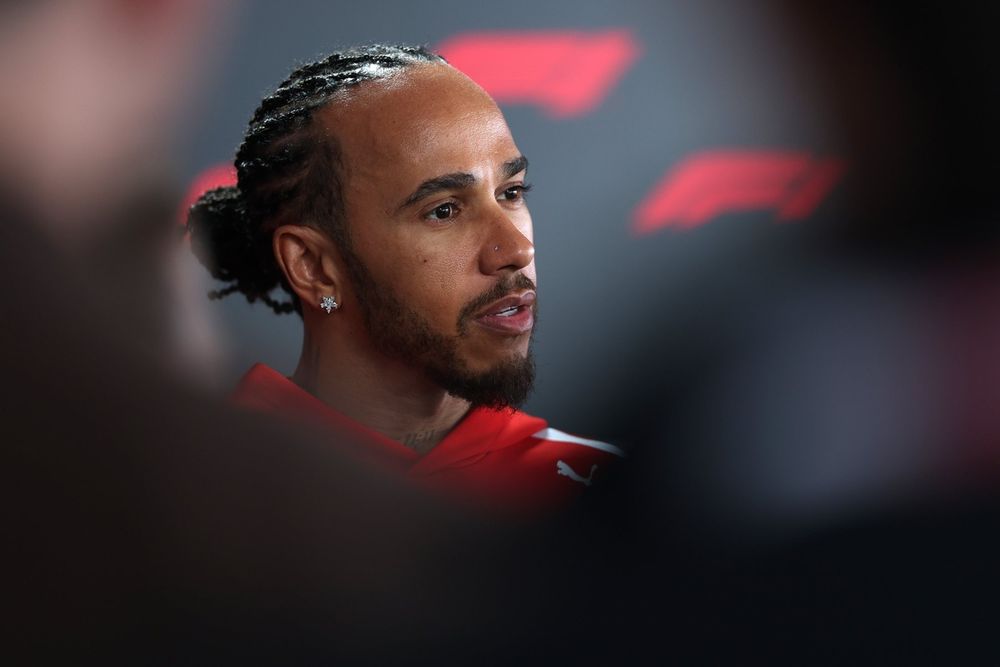
He continued, “And Formula 1 has not been the best form of racing in a long, long time. Out of all the cars that I’ve driven in 20 years, this is the only car that you can actually follow through high-speed [corners] and not completely lose everything that you have. You can stay behind.”
Hamilton acknowledged the previous reliance on DRS (Drag Reduction System) as a temporary fix for the inability to follow closely through corners. He noted that while the new regulations introduce a power difference through an “Overtake Mode,” the gap is intentionally kept small. This, in his view, facilitates closer racing and more dynamic battles.
“But when you get ahead and the car behind can keep up with you, I personally find it much more fun because that’s the most overtaking and best battle I’ve had maybe since Bahrain, years and years ago with Nico,” he reminisced, referencing an iconic duel with his former Mercedes teammate Nico Rosberg.
Hamilton elaborated on his vision for the sport: “That’s how racing should be. It should be back and forth, back and forth. It shouldn’t be like one move is done and that’s it. So I personally like that sort of racing. We just need all the rest of the teams to close up so we have more of those battles amongst the teams.”
Despite his overall enthusiasm, Hamilton conceded that not every element of the 2026 regulations is to his complete liking. “It’s definitely a lot different,” he commented. “I think a lot of the drivers are not enjoying it, but I don’t really know. I’m just personally enjoying it. It’s a lighter car. It’s a bit more nimble, a bit more bizarre, more fun to drive.”
He expressed disappointment with certain technical aspects, stating, “Do I love the power of deployment? Absolutely not. I’m actually really disappointed. Do I love the SM [straight mode with active aero]? Not particularly. But as a whole, I think it’s exciting for the sport.”
Suzuka’s Challenge and the Shifting Sands of Strategy
As the Formula 1 circus heads to the iconic Suzuka Circuit for the Japanese Grand Prix, the unique demands of the track are expected to further test the new regulations. Suzuka, with its blend of high-speed corners and limited straights, has historically presented challenges for energy management strategies. In anticipation of this, the FIA has implemented adjustments to the maximum energy recharge allowed in qualifying. This change aims to reduce the incentive for tactics like “super clipping,” an early energy harvesting method.
“Coming into the weekend, we were going to have to do a ton of lift-and-coast which is really, really not enjoyable to do for a qualifying lap. So we’ve changed that,” Hamilton explained.
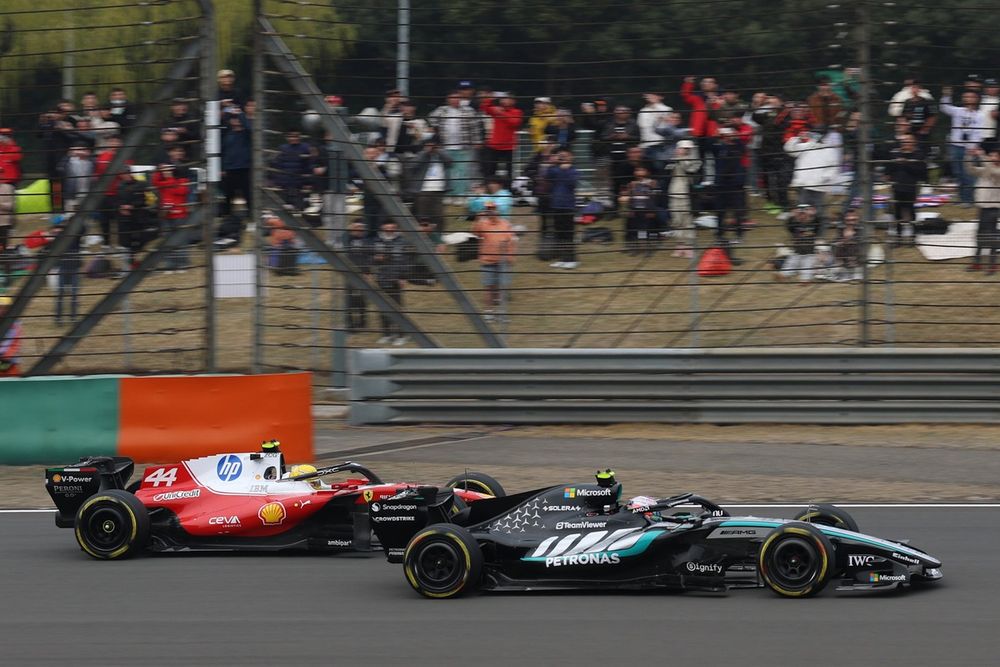
Furthermore, the application of active aerodynamics’ straight mode will be restricted to only two sections of the track. Hamilton believes this alteration could potentially benefit Ferrari, his current team. “Maybe that’s a positive for us, because every time Mercedes open up their SM, they get away. So maybe there’s less chance for them to do that here – maybe. I don’t know. And maybe we can keep up with them more through the high-speed section, potentially.”
Hamilton’s overarching hope is that the 2026 iteration of the Japanese Grand Prix will finally do justice to Suzuka’s legendary status. The circuit, a favourite among drivers for its challenging layout, has often been criticised for producing processional races due to overtaking difficulties.
“This has always been one of the favourite driver circuits, but not necessarily great racing, because there’s a struggle to [overtake],” he said. “So I’m hoping it changes that and really highlights just how incredible this circuit is to drive. And if we have racing on top of that, then it will be the best track in the world.” The 2026 season, with its radical rule changes, promises to be a compelling chapter in Formula 1’s storied history, offering a glimpse into the future of motorsport.