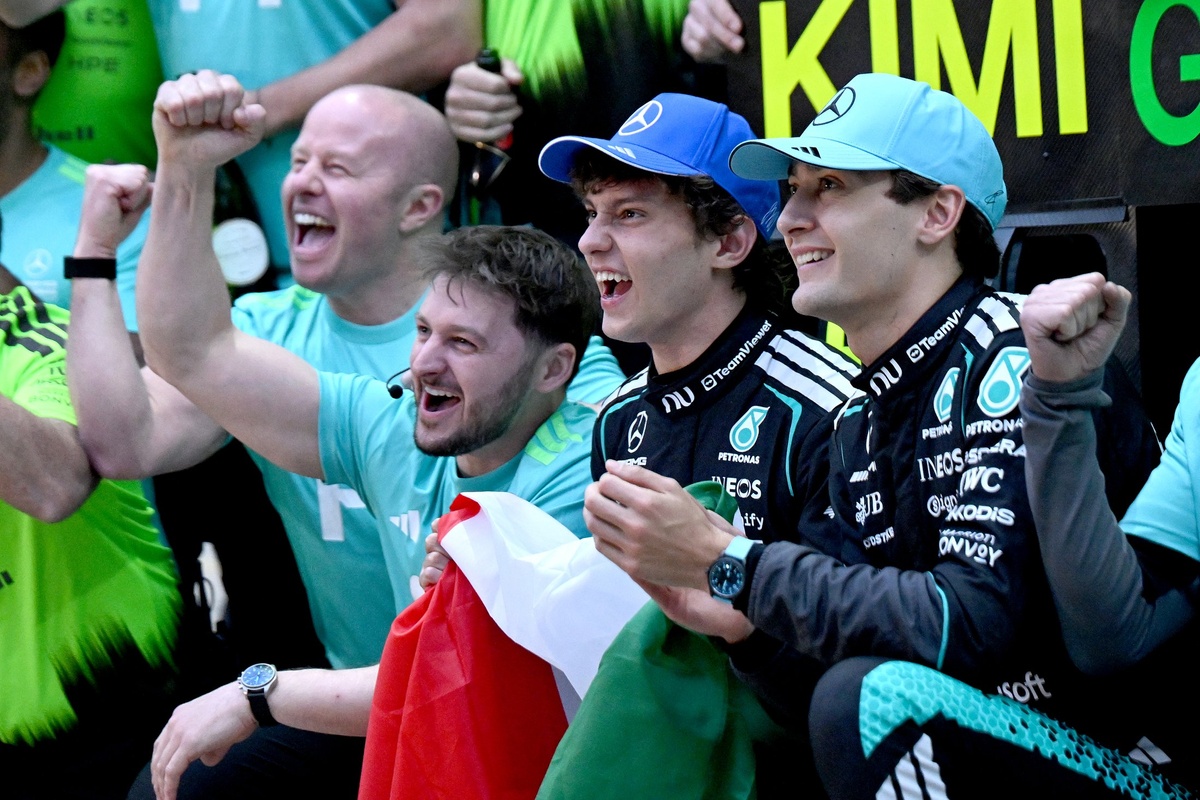
George Russell and Kimi Antonelli: A Tight Battle for the 2026 Formula 1 Title
It was no surprise that George Russell was seen as the bookies’ favorite for the 2026 Formula 1 title before the season even began, given Mercedes’ strong performance in pre-season testing. However, the competition for second place was more unpredictable. Charles Leclerc, Max Verstappen, Lando Norris, and Oscar Piastri were among the top contenders, with some bookmakers even including Fernando Alonso in the mix. Kimi Antonelli, on the other hand, was not initially considered a serious threat.
Yet, here he is—leading the championship by nine points, with two wins compared to Russell’s one. While Russell has faced some misfortune in the early rounds, Antonelli’s performances suggest that his early lead is well-earned. The Italian teenager has been performing consistently, raising questions about whether he might be the real deal.
When Antonelli joined F1 last year, he was met with both hype and skepticism. Mercedes had to carefully manage expectations, aiming to let him grow in the spotlight without undue pressure. The team understood that many drivers have struggled under the weight of high expectations, and they wanted to ensure Antonelli could develop at his own pace.
Despite this, Antonelli has been much closer to Russell than expected. But just how evenly matched are the two drivers? Let’s take a closer look at their performances so far.
One-Lap Pace: A Narrow Margin
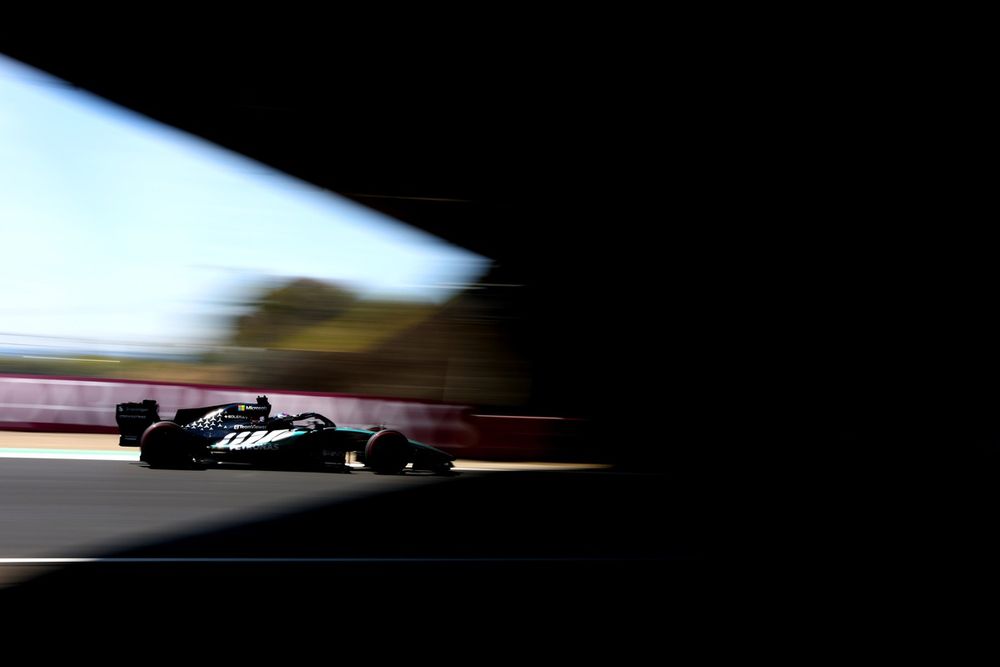
In terms of one-lap pace, the difference between Russell and Antonelli is minimal. One way to measure this is through supertimes, which compare a driver’s fastest lap to the overall fastest time. In Australia, Russell took pole position, with Antonelli just 0.3 seconds behind, resulting in a 0.373% gap. In China, Antonelli secured pole, but Russell was still just slightly behind, with a 0.313% difference. In Japan, Antonelli again led by a similar margin, with a 0.336% gap.
Overall, Russell’s average is 0.112% off the theoretical best time, while Antonelli is 0.230% away. Assuming a best possible lap of 1m30.000s, Russell would clock a 1m30.101s, while Antonelli would be at 1m30.207s. This is a very narrow 0.106s margin, easily overcome by slight improvements in cornering or top speed.
Race Pace: A Slight Edge for Antonelli
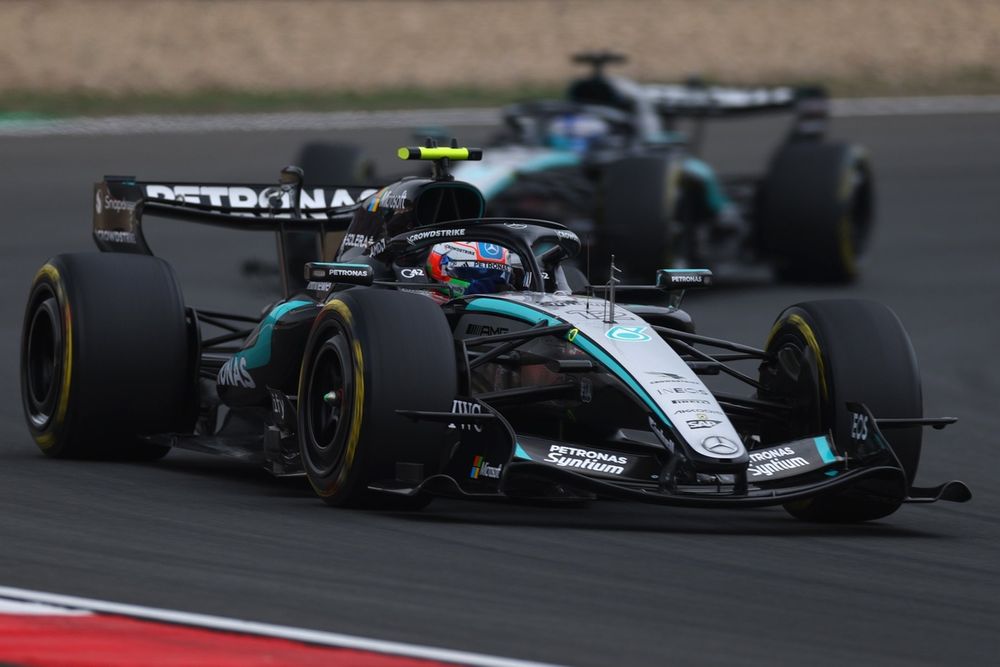
Measuring race pace is more complex, as both drivers have often started poorly. Mercedes has struggled with starts, and neither Russell nor Antonelli has been immune to this issue. However, we can analyze their performance during clean-air stints when they weren’t affected by traffic.
In Australia, from lap 21 to the end of the race, Antonelli averaged 1m22.958s, while Russell ran at 1m23.057s. This means Antonelli was 3.543s faster over those laps, translating to about 0.1s per lap. The data shows that Antonelli was consistently ahead, though the difference is small.
In China, from lap 30, Antonelli averaged 1m35.869s, while Russell averaged 1m35.860s. This means Russell was just 0.2s faster over the 26-lap period, or 0.009s per lap. Again, the difference is minimal, and it’s clear that both drivers are extremely close in terms of race pace.
Key Moments and Misfortune
There have been moments where luck played a role. In Japan, Russell struggled with setup changes that affected his car’s handling, and Antonelli benefited from the safety car. Had Antonelli not lost clutch bite at the start, the outcome might have been different.
Antonelli’s performances across the first three circuits have been impressive, and he finished in the top six in all three races last year. However, the European season will be a true test of his abilities. Russell has more experience in Europe, while Antonelli struggled during the summer due to Mercedes’ switch to an anti-lift suspension package.
Conclusion: A Tight Contest
At this stage, the difference between Russell and Antonelli is around a tenth of a second, and it could swing either way depending on the race. Both drivers are incredibly close, and it’s hard to say who is faster. Antonelli has shown promise, but Russell still holds the edge in terms of experience.
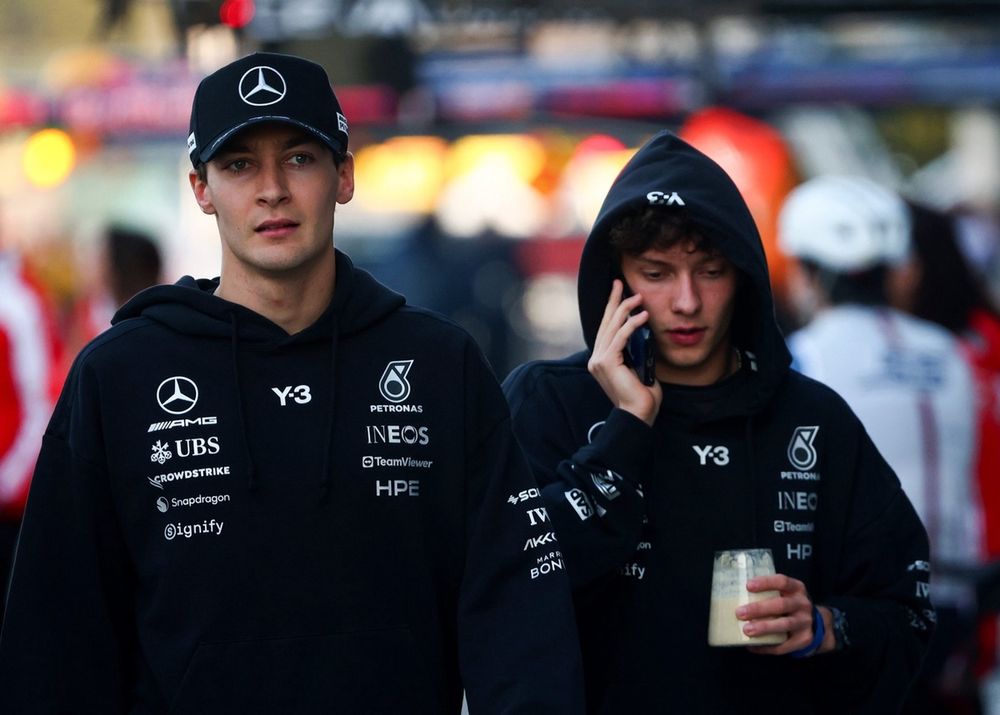
As the season progresses, the real battle will begin. If Antonelli wants to become F1’s youngest champion, he’ll need to prove himself on European circuits. Meanwhile, Russell must assert his authority as the senior driver. For now, it’s a tight contest, and the title race is shaping up to be one of the most exciting in recent years.