A Glimpse into the Heart of Charang
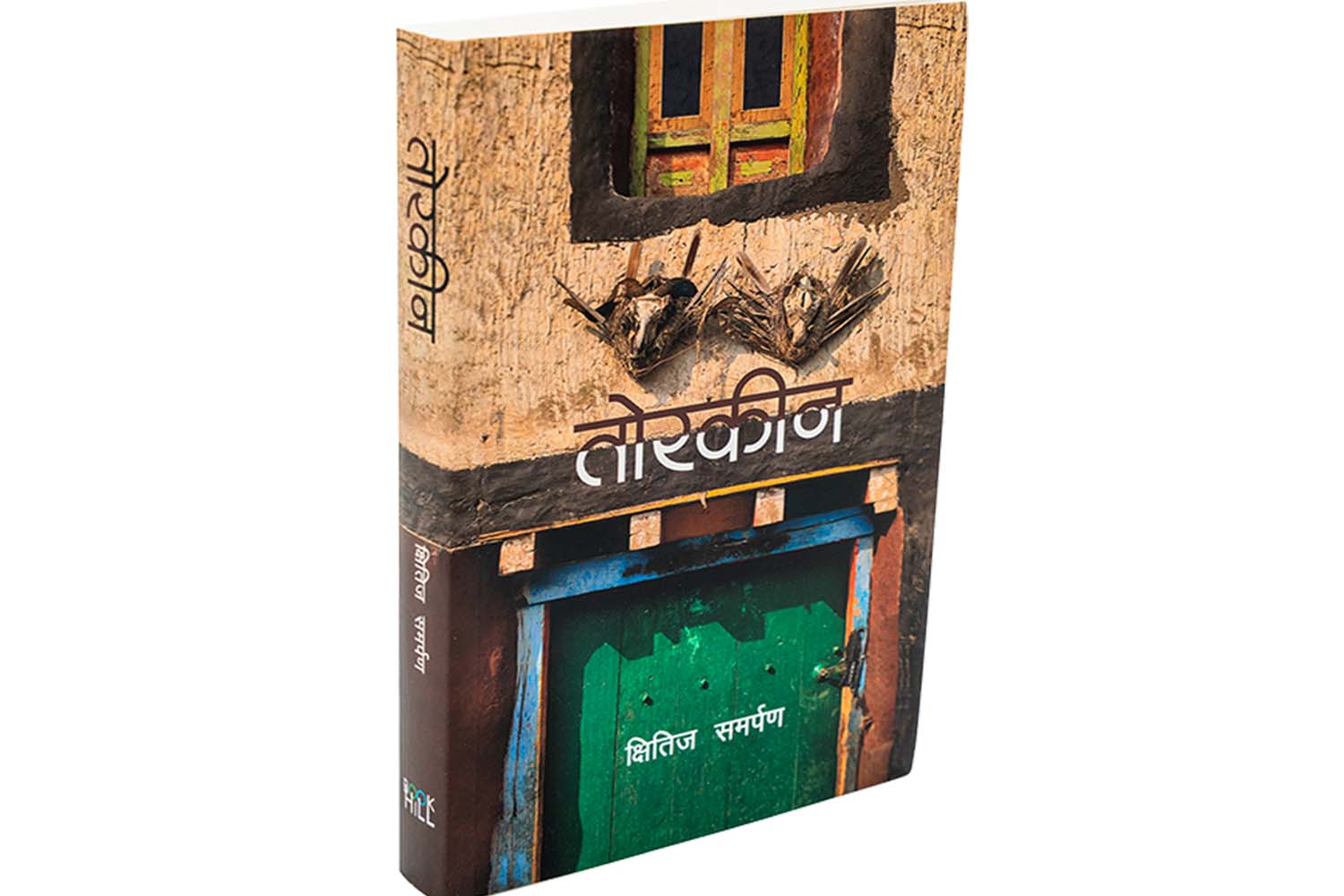
Nestled in the embrace of the Himalayas, Charang is a village that embodies both the beauty and challenges of life in one of the world’s most rugged landscapes. In his debut novel Torkin, Kshitiz Samarpan offers readers an intimate look into this remote community, capturing its essence through vivid storytelling and rich cultural details.
The village, once thriving on the land beneath the mountains, has had to adapt as the terrain gradually shifts. With 52 traditional houses, Charang awakens each day to a breathtaking view that symbolizes both its resilience and vulnerability. Samarpan’s narrative delves into the daily rhythms of the village, painting a picture of a place where life moves in harmony with nature, yet is slowly fading into the memories of its residents.
A Story of Generations
At the heart of the novel are two generations of villagers—Chewang and his father, Namgyal. Their lives are deeply intertwined with the traditions and rituals of Charang, which serve as the glue that binds the community together. The story explores how these customs shape their identities and relationships, from the initial meeting of Namgyal and Chukki to the union that defines their family’s legacy.
Namgyal, a man of quiet strength and shyness, meets Chukki, a spirited rebel who flees her home in search of love. Their marriage becomes a testament to the values of collectivism and shared traditions. This bond is further reinforced when their son, Chewang, marries Kunsang, following the same cultural practices that have guided their families for generations.
The Journey of Chewang
Chewang, curious and inquisitive, grows up surrounded by the stories and histories of Charang. His father, Namgyal, dreams of providing him with an education, something he himself never received. This aspiration shapes Chewang’s early years, as he explores the village and learns about its customs through his father’s teachings.
Chewang’s path takes him to Lo Manthang during the Teeji festival, a celebration that brings the community together to seek protection from natural disasters and invite tranquility. It is here that he meets Kunsang, setting the stage for their own journey of love and tradition.
Cultural Traditions and Challenges
Samarpan’s narrative is not just a celebration of culture but also a reflection on its complexities. The novel portrays the deep-rooted traditions of Mustang, including the unique marital practices that reflect the region’s scarcity of resources. However, it also raises questions about the treatment of women within these systems, highlighting the need for awareness and sensitivity in understanding past practices.
Namgyal’s life is marked by a quiet acceptance of his circumstances. He never questioned his mother or sought answers about his father, living with emotional awareness and resilience. This mindset influences Chewang, who, despite his desire for a better life, returns to Charang after a brief stint in Malaysia, realizing that love and family are more important than material success.
The Passing of a Generation
The novel’s emotional climax comes with the death of Namgyal. His passing is described with a sense of reverence, as per the village’s ritual, where his body is offered to vultures—a practice that reflects the community’s connection to nature and its cycles of life and death.
After Namgyal’s death, the village begins to change. The sense of community weakens, and many residents start to leave, leaving behind a growing void of loneliness. This transition is captured with poignant detail, emphasizing the loss of collective identity and the erosion of traditions.
A Non-Linear Narrative
The novel’s structure is non-linear, creating a striking flow that draws readers into the emotional core of the story. The prologue features Chewang speaking to his deceased parents, promising to stay in Charang and provide them with food and Chyang, a local drink. This moment sets the tone for the rest of the narrative, which uses a third-person omniscient point of view to explore the inner thoughts of characters like Chewang, Namgyal, Chukki, and Kunsang.
One memorable dialogue, spoken after the death of villagers caught in a snowstorm, captures the novel’s reflective tone: “Melting does not necessarily mean to define a way ahead, it means to be simply and utterly vacant. Melting means to be a void from within.”
Nature and Memory
In Torkin, nature is personified, given human qualities that mirror the emotions of the characters. Rivers, sunlight, and landscapes become active participants in the story, sharing dialogues that enhance the novel’s atmosphere. These elements, combined with rich cultural imagery, create a sensory experience that lingers with the reader.
Charang emerges as a lived memory, fading into silence. The novel ends with a rhetorical question: “Should I return to home or to the grave?” This final line encapsulates the themes of survival, remembrance, and the enduring human longing for connection.
With its anthropological depth and cultural richness, Torkin offers a compelling insight into the rural beauty of Upper Mustang, making it a must-read for those interested in the stories hidden within the Himalayas.