President’s Heated Exchanges with Female Journalists Spark Scrutiny
Recent press briefings have seen a notable rise in combative exchanges between President Donald Trump and female reporters, with accusations of a “very bad attitude” and personal critiques dominating the interactions. These incidents, occurring within days of each other, have drawn considerable attention and criticism, raising questions about the President’s conduct and his relationship with the press.
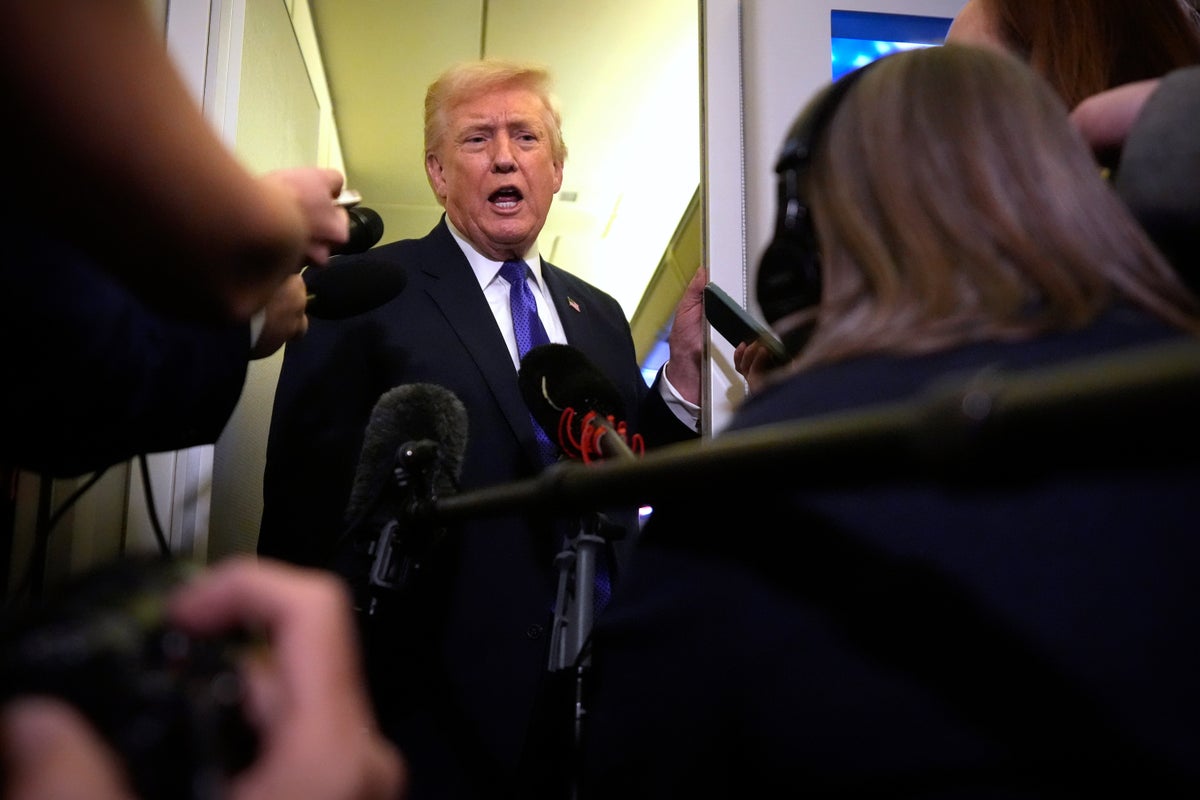
The latest episode involved Natalie Allison, a reporter for The Washington Post. When Allison posed a question regarding reported divisions within the MAGA base concerning the President’s immigration agenda, Trump responded by questioning her affiliation and disparaging her publication.
“Where are you from?” the President asked Allison. “Washington Post? Are you having a hard time getting readers? The Washington Post is doing very poorly… You have a very bad attitude. Go ahead.”
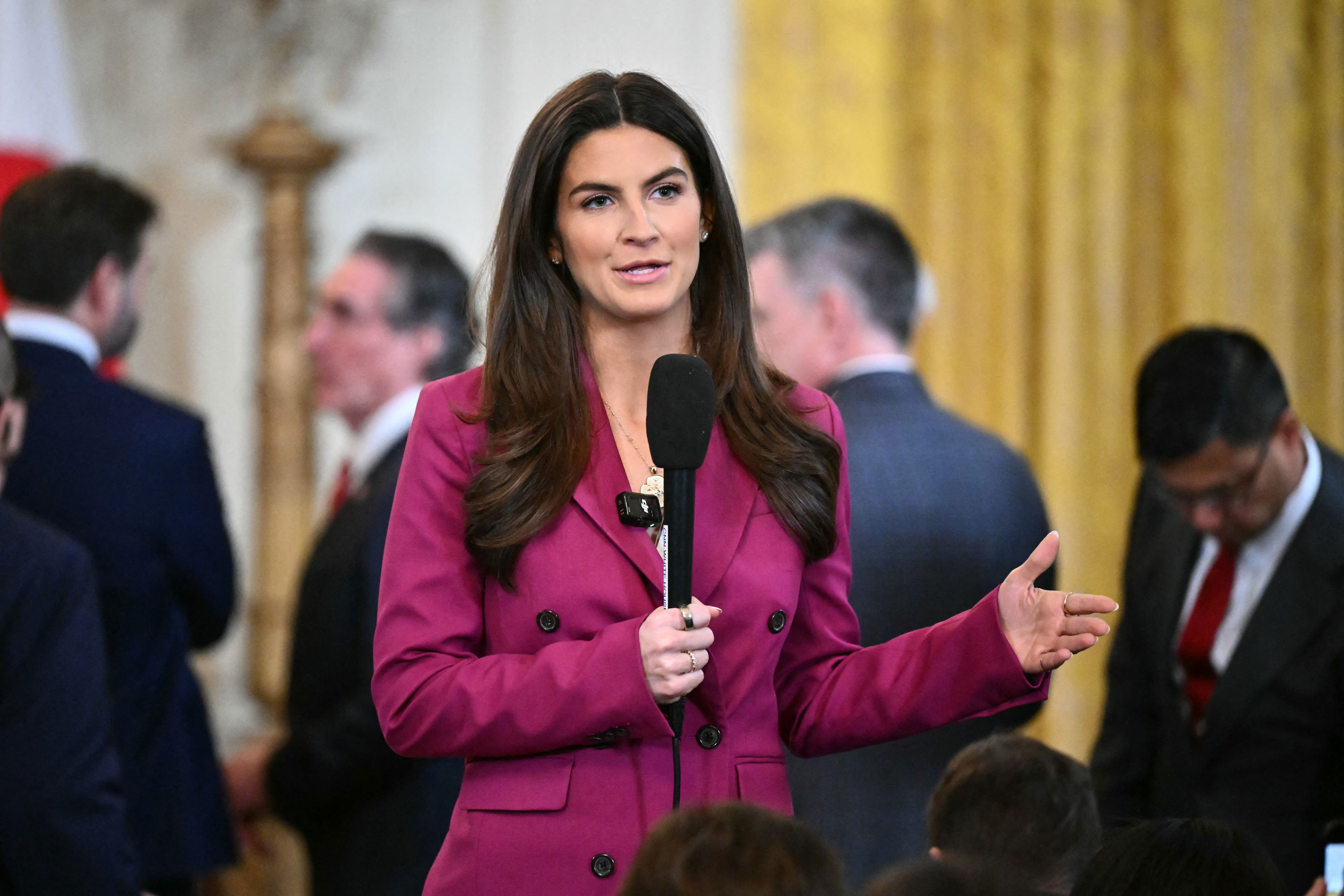
This exchange followed closely on the heels of another heated confrontation with CNN’s Kaitlan Collins during an Oval Office briefing earlier in the week. In that instance, Trump appeared to deflect from questions about the recently released Epstein files, which contained references to prominent figures like Elon Musk and U.S. Secretary of Commerce Howard Lutnick.
Instead of addressing the content of the documents, Trump shifted focus to Collins’s demeanor, stating, “I think it’s really time for the country to get onto something else, really.” When Collins persisted, pressing for answers regarding justice for the victims of Jeffrey Epstein’s operations, the President’s tone escalated. He launched into a critique of CNN and labelled Collins “the worst reporter,” further remarking that he had “never see[n] you smile.”
Trump elaborated on this point, telling the room, “You know she’s a young woman… I don’t think I’ve ever seen you smile.” He continued, asserting, “I’ve known you for 10 years, I don’t think I’ve ever seen a smile on your face,” and suggested that her lack of smiling was a reflection of her not “telling the truth.”
These public criticisms of female journalists are not isolated incidents. In December, Trump had previously attacked Collins on his social media platform, Truth Social, describing her as “always Stupid and Nasty.”
White House Defends President’s Style
Despite the increasing frequency of what some observers describe as “childish and degrading language” directed at female reporters, the White House has maintained that these remarks are not gender-based.
White House spokeswoman Abigail Jackson, speaking to The Independent in December, defended the President’s communication style. “President Trump has never been politically correct, never holds back, and in large part, the American people re-elected him for his transparency,” Jackson stated.
She further elaborated, “This has nothing to do with gender – it has everything to do with the fact that the president’s and the public’s trust in the media is at all time lows.”
The White House’s position suggests that the President’s direct and often confrontational approach is a deliberate characteristic of his presidency, intended to reflect his unfiltered style and connect with a public that may be disillusioned with traditional media outlets. However, critics argue that such personal attacks, particularly when directed at reporters asking legitimate questions, undermine the role of a free press and can have a chilling effect on journalistic inquiry. The ongoing pattern of these exchanges suggests that the dynamic between the President and certain members of the press corps remains a significant and contentious aspect of his administration.