Rising Pressure on Labour to Lift North Sea Drilling Ban
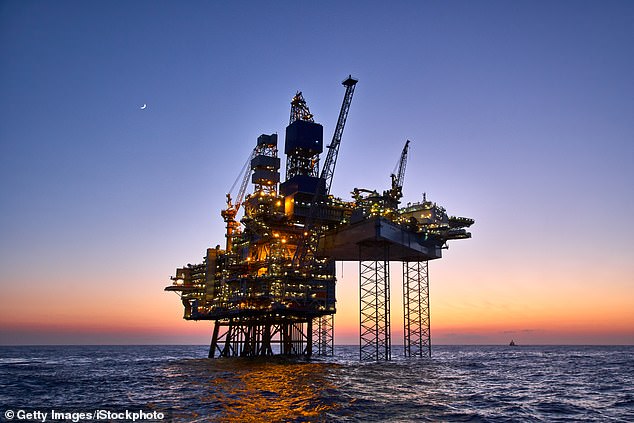
Voters across the UK are increasingly calling for the immediate lifting of the Labour Party’s ban on oil and gas drilling in the North Sea, as the ongoing crisis in Iran continues to drive up energy prices. The pressure comes amid a growing divide within the government, with some ministers pushing for a reversal of the current policy to address rising household costs.
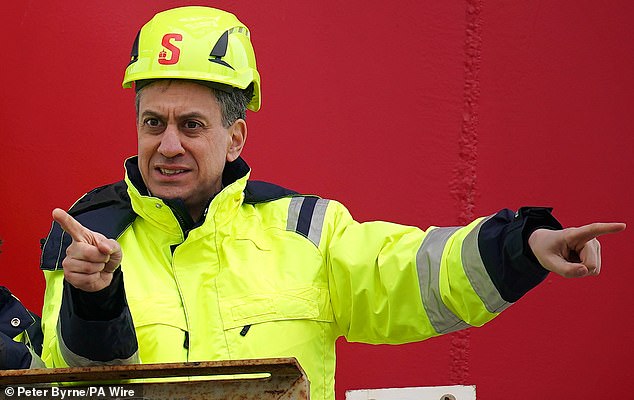
The Energy Secretary, Ed Miliband, has been criticized for maintaining his stance against new fossil fuel extraction, despite calls from various political figures and public opinion. Research conducted by Lord Ashcroft, a former Conservative deputy chairman, reveals that half of all voters believe Miliband should prioritize drilling over Net Zero targets. This sentiment is echoed by former US President Donald Trump, who famously advocated for “drill, baby, drill” during his campaign.

Escalating Tensions in the Middle East
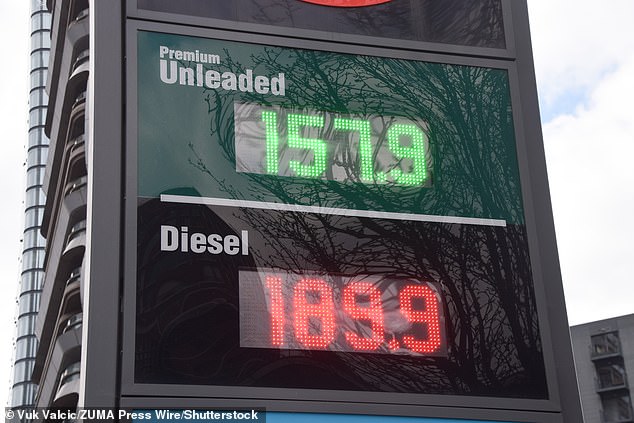
The situation in the Middle East remains tense, with the Strait of Hormuz at the center of global energy concerns. Since Iran began its blockade following attacks by the US and Israel, global energy prices have surged, with diesel prices in the UK nearing £2 per litre. This has placed immense pressure on households, leading to calls for immediate action.
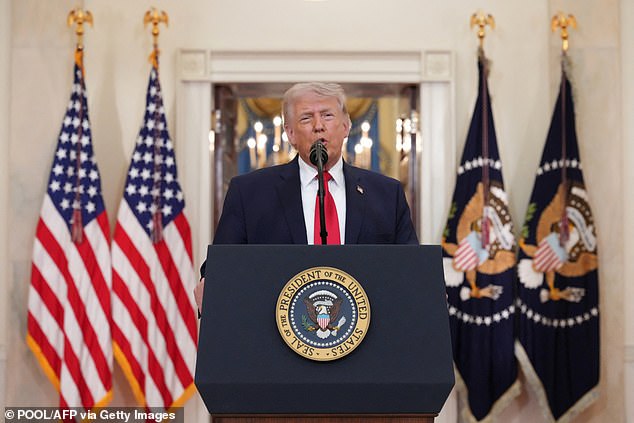
The search for an American airman downed in Iran intensified over the weekend, as US special forces raced against time to locate the missing crew member. Meanwhile, President Trump issued a stern warning to Iran, stating that “time is running out – 48 hours before all hell will reign down on them.”
Economic Implications and Political Divisions
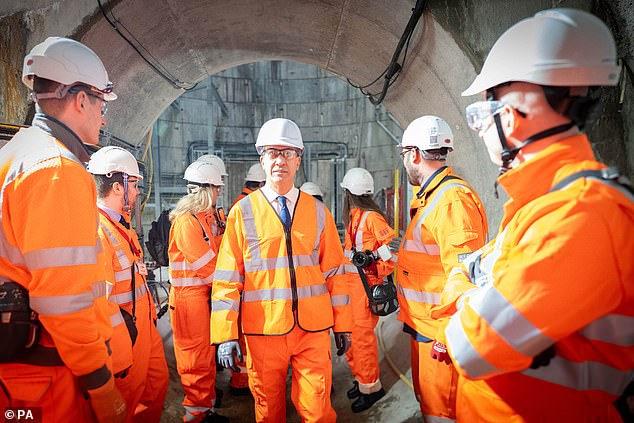
The North Sea oil reserves have historically played a crucial role in the UK’s economy, particularly during Margaret Thatcher’s administration in the 1980s. At the time, the £70 billion in revenues helped fund industrial restructuring and tax cuts. However, Miliband has remained steadfast in his opposition to new drilling, arguing that it would not significantly reduce energy bills for consumers.
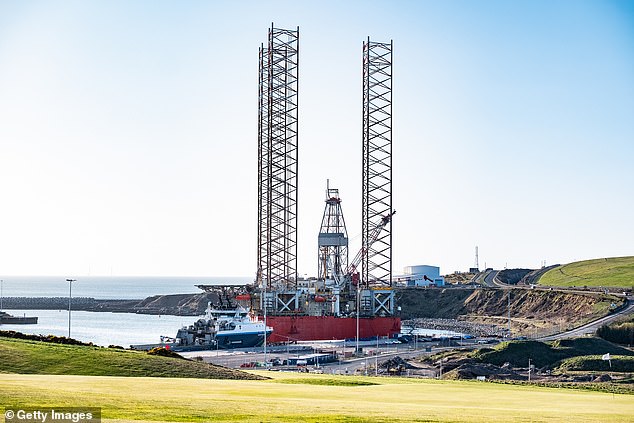
In contrast, Chancellor Rachel Reeves has expressed support for exploration at the Rosebank oilfield and Jackdaw gas field in the North Sea. This divergence in approach highlights the growing tension within the government.
Calls for Policy Change
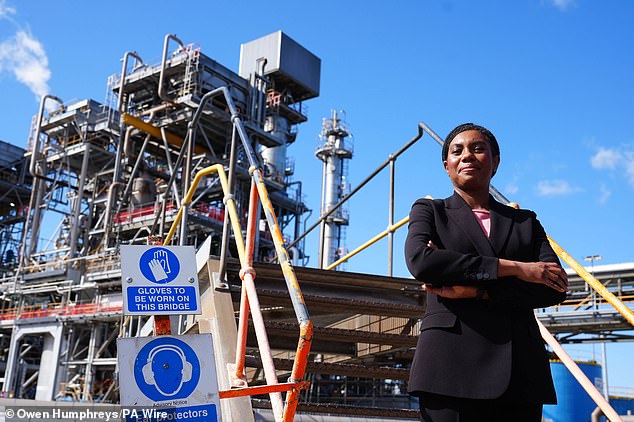
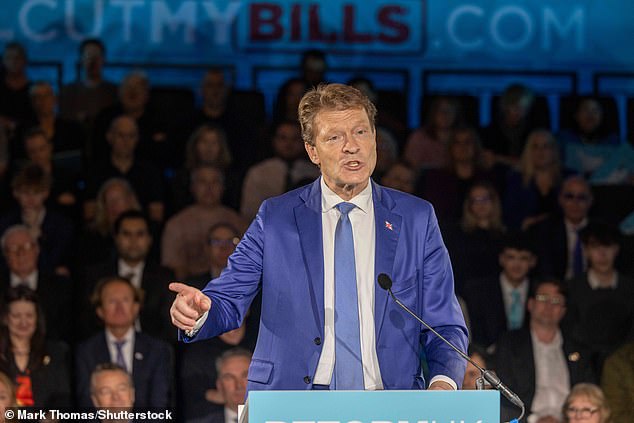
The Conservative Party and Reform UK have both urged Miliband to reverse his “ideological” opposition to accessing the three billion barrels of oil and gas beneath British waters. Kemi Badenoch, the Tory leader, described the current policy as “economic insanity.” Reform’s deputy leader, Richard Tice, emphasized the need for the UK to maximize its energy resources, stating that it is a “patriotic duty” to boost production and achieve energy independence.
This view aligns with President Trump, who has called the North Sea a “treasure chest” for the UK and urged Sir Keir Starmer to take advantage of the opportunity. Support for increased drilling also comes from Scottish Labour leader Anas Sarwar, the SNP, Tony Blair’s think tank, and the Labour-supporting GMB Union.
Rising Fuel Prices and Government Response
Fuel prices have continued to rise, with diesel prices increasing by 30% since the start of the conflict, reaching 185.2p per litre. Petrol prices have also climbed, rising by 16% to an average of 154.5p per litre. Experts warn that diesel could breach the £2 mark within weeks.
Ms. Reeves, who is currently generating over £100 million in extra VAT receipts each month, plans to end the current 5p a litre fuel duty relief in September. This move is expected to add approximately £3 to the cost of filling a tank.
A government spokesperson stated that issuing new drilling licenses would not provide energy security or lower bills, emphasizing that oil and gas prices are determined by international markets. The spokesperson added that the only way to protect against price spikes is to transition away from fossil fuels.
Global Trends and Public Sentiment
Governments worldwide are taking steps to ease the burden on households, with Australia’s Prime Minister Anthony Albanese halving fuel duty. Lord Ashcroft, writing in this week’s Mail on Sunday, noted that more people now believe the government should lift its ban on new oil and gas exploration in the North Sea than keep it in place.
For many worried families, the immediate need to address rising energy costs and ensure supply security appears to outweigh the long-term goals of Net Zero targets. As the crisis in the Middle East continues, the pressure on the UK government to act is mounting.