NRM Caucus Gears Up for Crucial Budget and Policy Discussions with President Museveni
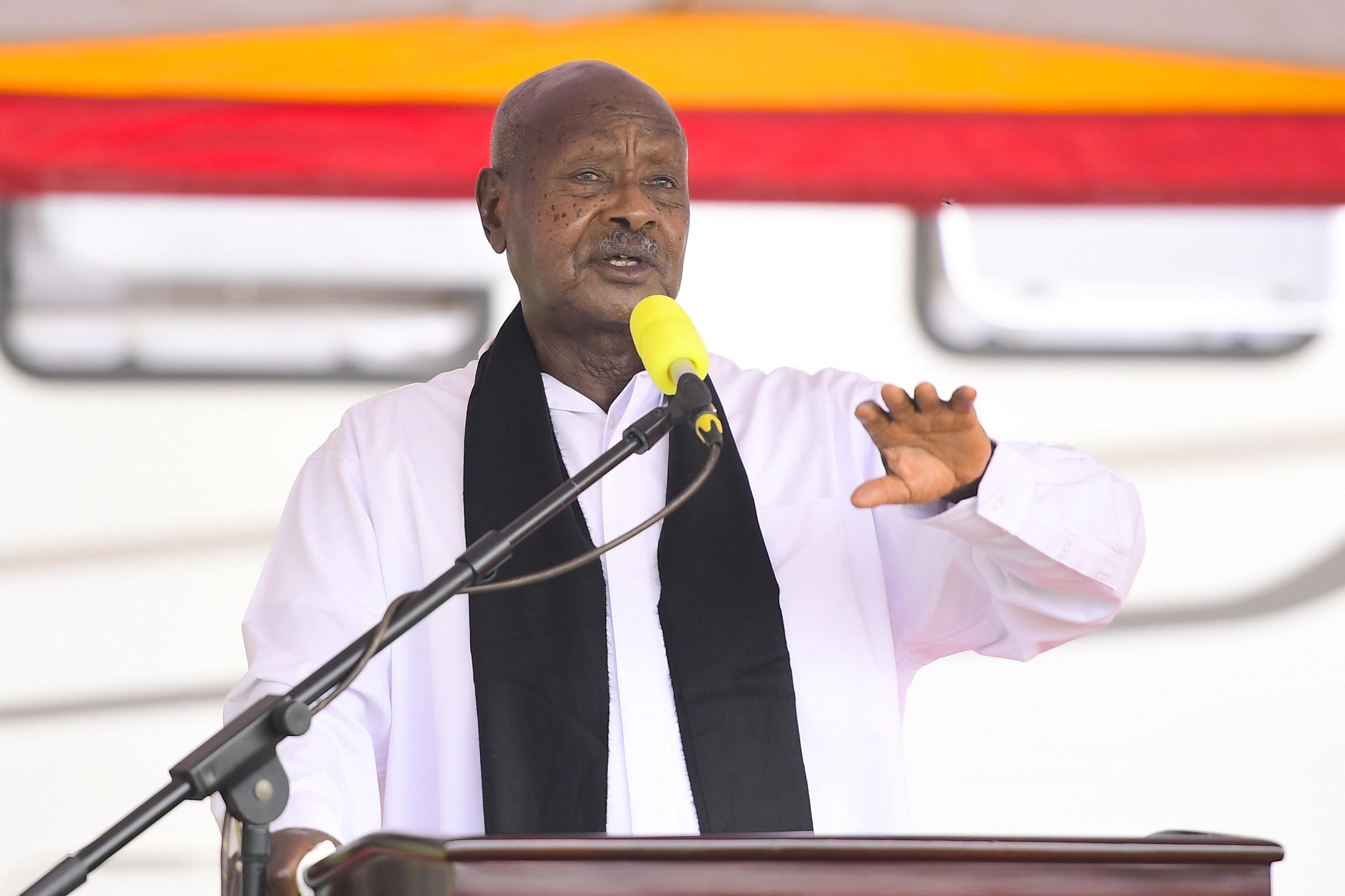
A pivotal National Resistance Movement (NRM) Parliamentary Caucus meeting is set to convene this Friday at State House Entebbe, with President Yoweri Museveni presiding. The gathering is expected to be a significant platform for legislators to align national budget priorities for the 2026/2027 financial year and to deliberate on a range of critical national issues.
Alex Brandon Kintu, Spokesperson for the NRM Parliamentary Caucus and Member of Parliament for Kagoma North, articulated the primary objectives of the upcoming session. “The main agenda for the Friday caucus is to prioritise the budget and align key priorities alongside other allocations,” Kintu stated, emphasizing the strategic importance of forward-looking financial planning to address Uganda’s pressing socio-economic needs.
The NRM caucus leadership holds the prerogative to extend invitations to individuals whose expertise or perspectives are deemed valuable to the ongoing discussions. Kintu confirmed this, noting, “The NRM National Chairman and the Chair of the NRM Caucus have the mandate to invite ‘special guests’ to the NRM caucus. If an invitation has been extended to Mao, he is welcome.” This openness suggests a potential for broader dialogue and engagement beyond party lines.
The political landscape is also seeing increased activity, particularly concerning regional representation. Notably, Moses Nsereko, a former parliamentary aspirant for Kawempe North, was recently observed at the NRM party headquarters expressing interest in contesting for a position as a Member of the East African Legislative Assembly (EALA) on the NRM ticket. “Surprisingly, I saw my friend Moses Nsereko at the NRM secretariat today. I’m not sure whether he picked up EALA MP nomination forms or not, but he showed interest. This process could help Fish, a member of NUP, to join NRM,” Kintu remarked, hinting at potential political realignments.
On the broader front of governance and national unity, Kintu reaffirmed the government’s commitment to democratic principles and the pursuit of peace through dialogue. “Uganda is a democracy and a champion of peace and stability. If there is an opportunity to secure freedom through dialogue, then we all say kudos,” he asserted.
The forthcoming caucus meeting holds particular significance as it is anticipated to be the final formal engagement between NRM legislators and President Museveni before the new Parliament is officially sworn in. Government Chief Whip Denis Hamson Obua confirmed the details of the meeting, stating that it is scheduled to commence at 12 pm and will place a strong emphasis on budget priorities.
Obua further elaborated on the key sectors slated for discussion. These include crucial areas such as security, health, education, and infrastructure development. A significant focus is also expected to be placed on initiatives aimed at wealth creation, with the Parish Development Model highlighted as a cornerstone of the government’s ongoing economic strategy.
The electoral process for the East African Legislative Assembly is currently being managed as a legal matter by the party’s legal team, according to Obua, suggesting that procedural clarifications or potential disputes are being addressed.
Meanwhile, a segment of NRM legislators is advocating for a more expansive agenda during the caucus. Their proposals include discussions on the economic repercussions stemming from the ongoing conflict in the Middle East and an examination of reported incidents of violence that occurred during the 2026 general elections. These calls underscore a desire for comprehensive dialogue encompassing both external economic influences and domestic electoral integrity.
The NRM caucus meeting is therefore poised to be a critical juncture for shaping Uganda’s fiscal direction and addressing contemporary challenges. The deliberations are expected to set the tone for the government’s priorities in the coming financial year and beyond, with a particular emphasis on economic development and national stability.