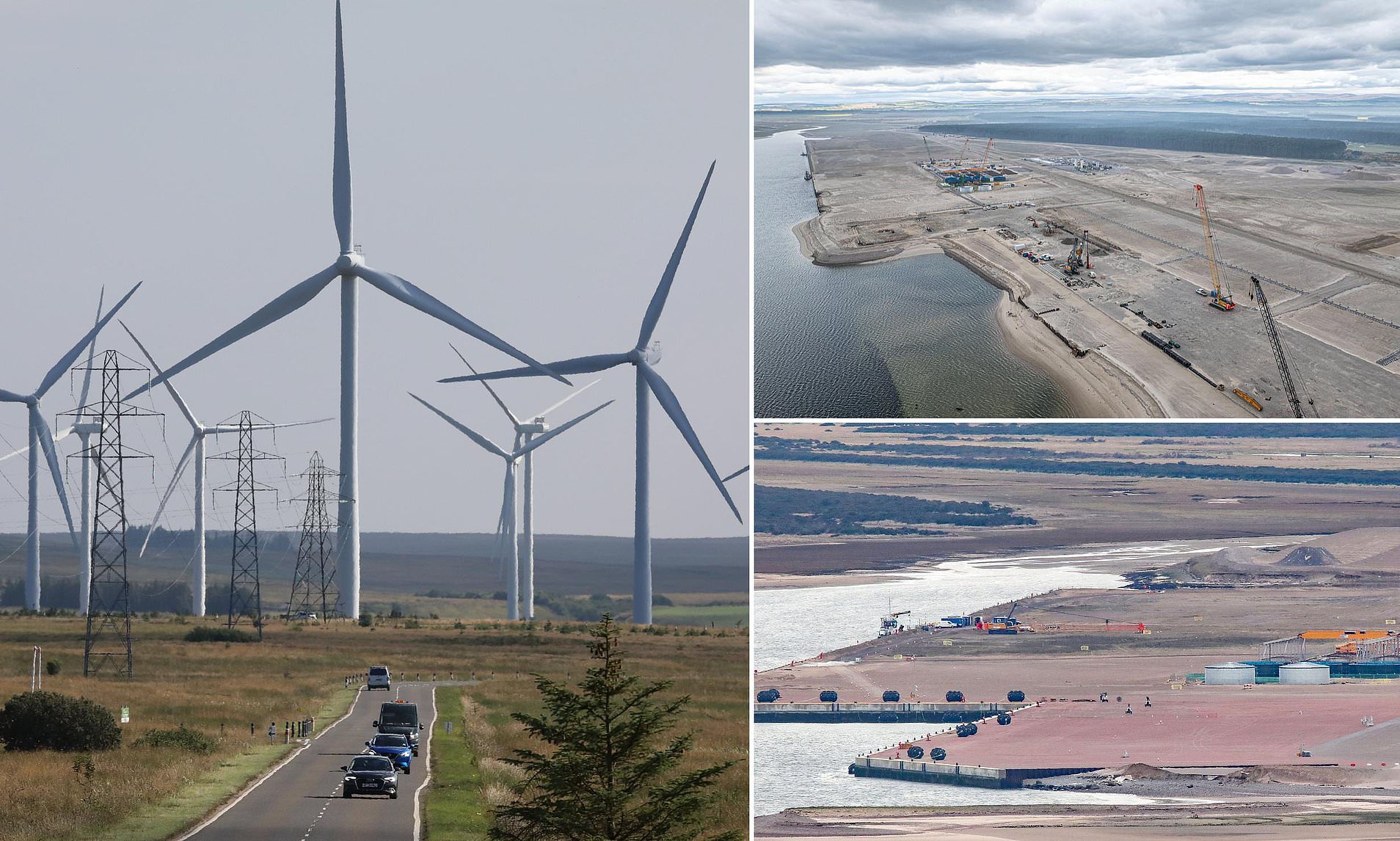
UK Government Blocks Chinese Wind Turbine Factory in Scotland Amid Security Concerns
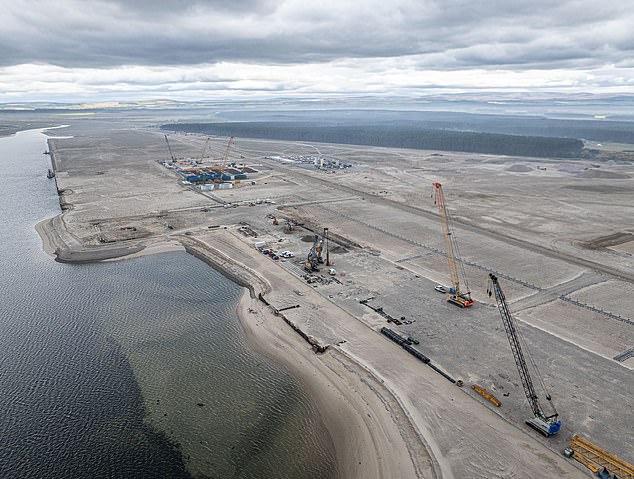
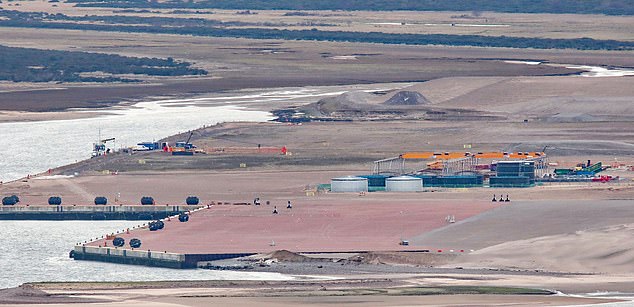
Ministers have officially vetoed plans for a major Chinese firm to establish the United Kingdom’s largest wind turbine factory in Scotland. The proposed £1.5 billion facility, slated for Ardersier Port near Inverness by the company Ming Yang, was expected to create up to 1,500 jobs.
Energy Minister Michael Shanks announced the decision, stating that the government “cannot support the use of (the turbines) in UK offshore wind projects.” He confirmed that offshore wind developers have been duly informed of this stance. This decision effectively halts Ming Yang’s ambitious project, drawing sharp criticism from Scotland’s First Minister, John Swinney, who accused the Labour government of “sabotaging Scotland’s industrial future.”
The lengthy deliberation process preceding the announcement highlights the complex geopolitical considerations at play. Trade minister Sir Chris Bryant had previously emphasized the need for the UK to maintain a “clear-eyed” approach to its relationship with China. Similarly, Liam Byrne, the chairman of Westminster’s Business and Trade Committee, expressed concerns that “over-reliance on China in strategic sectors leaves Britain exposed to coercion, disruption and unfair competition.”
National Security and Economic Independence at the Forefront
The potential national security implications surrounding Ming Yang have been under scrutiny since the company was linked last year to a supply deal for the Green Volt floating wind farm, located approximately 50 miles north-east of Peterhead in Aberdeenshire. This situation echoes broader concerns about foreign control over critical UK industries, as seen in the UK government’s intervention last year to prevent Jingye, the Chinese owner of British Steel, from closing the last two operational blast furnaces in Scunthorpe.
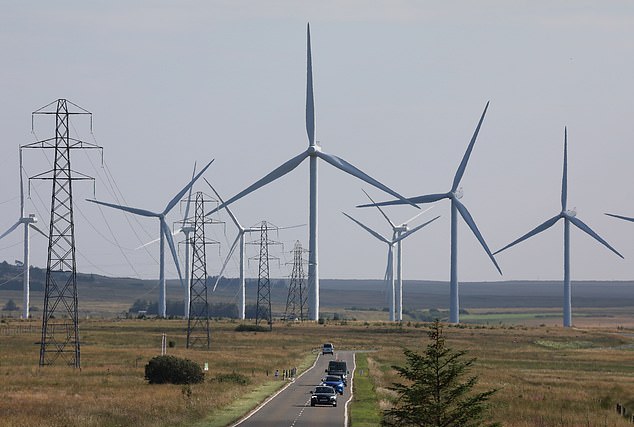
These events have intensified the debate about whether key British industries should be permitted to fall under foreign ownership, particularly from nations perceived as strategic rivals. US Congressman John Moolenaar has labelled China as “a foreign adversary,” while the Ministry of Defence has also voiced concerns regarding the implications of Chinese companies constructing wind farms for Britain. The Chinese Communist Party has, in turn, dismissed these comments as “baseless and discriminatory.”
Political Fallout and Accusations of Bad Faith
The timing and manner of the announcement have also ignited a political firestorm. First Minister John Swinney revealed that he was not informed of the decision prior to its public release.
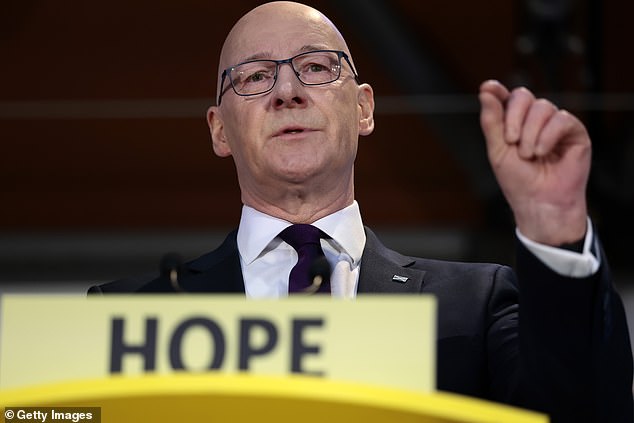
“Was I blindsided by this? Yes, I was,” Swinney stated at the SNP’s Holyrood election campaign launch in Glasgow. He expressed frustration with the prolonged deliberation period by the UK government, which he claimed had been ongoing for 18 months.
“This has been kicking around in the UK Government, they’ve had it for 18 months, and I’ve heard on countless occasions there’s going to be a decision this week, no there’s not – and it’s gone like that for ages,” he commented. Swinney further alleged that the announcement, made at the close of the Scottish parliamentary session, was not a coincidence and indicated a lack of good faith from the UK government. “That’s not a UK Government acting in good faith and they no longer are acting good faith.”
Warnings on Strategic Dependencies
These sentiments were echoed by Liam Byrne, chair of the Business and Trade Committee, who had previously stated: ‘Our Committee has consistently warned that in a more unstable world, where China has too often resorted to the tactics of economic coercion, we simply can’t surrender control of our energy supply chain in ways that create the risk of new and unwise dependencies’.
Company Response and Future Outlook
A spokesperson for Ming Yang expressed disappointment with the decision but reaffirmed the company’s commitment to supporting the UK’s ambition to become a leader in clean energy. The company stated it remains “committed to supporting the UK’s mission to become a clean energy superpower.”
First Minister Swinney took to social media platform X to voice his strong disapproval: ‘Deeply disappointed that the UK Labour government has blocked Ming Yang’s investment in our renewables industry – putting up to 1,500 Scottish jobs at risk. ‘They are sabotaging Scotland’s industrial future.’
Deputy First Minister Kate Forbes added to the criticism, stating that the Labour government “has pulled the rug out from under Scotland’s renewables industry.”
The Ardersier site, a former North Sea fabrication yard, is currently undergoing redevelopment and is an integral part of the Inverness and Cromarty Firth Green Freeport initiative. The government’s decision casts a shadow over the future of such large-scale renewable energy projects and raises significant questions about the UK’s approach to foreign investment in strategic sectors.