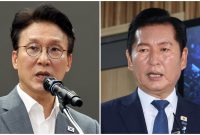
Political Aide Slams NDC for Alleged Single-Source Contracting Practices
A political aide and spokesperson for Mahamudu Bawumia has voiced strong criticism against the National Democratic Congress (NDC), alleging a continued reliance on single-source contracting. Kofi Tonto, speaking on a television program, questioned the NDC’s adherence to its campaign promises concerning governance reform, suggesting a departure from its stated principles.
Tonto asserted that the NDC had presented itself to the Ghanaian populace as a superior alternative to the New Patriotic Party (NPP). However, he argued that the party’s current actions, particularly concerning procurement practices, mirror those it previously denounced. According to Tonto, the NDC had consistently accused the preceding administration of exhibiting poor governance and a lack of transparency.
He claimed that these same issues, including the practice of sole-sourcing contracts, are now reportedly being replicated under the current administration. This, Tonto suggested, undermines the NDC’s credibility and raises questions about its commitment to the principles it championed during its electoral campaign.
Tonto further expressed his disappointment that certain public commentators, including Solomon Owusu, have not openly condemned these alleged practices. He emphasized the fundamental importance of accountability and consistency in governance, asserting that these principles should remain paramount regardless of the political party in power.
The spokesperson stressed that political actors have a responsibility to be transparent and honest with the public. He argued against the practice of defending actions or policies that a party had previously criticized, suggesting it leads to a perceived hypocrisy and erodes public trust.
Tonto concluded by stating that the Ghanaian people have elevated expectations for their leaders, particularly when those leaders have made robust campaign promises. He implied that any deviation from these promises, especially concerning governance and transparency, would be met with public scrutiny and disappointment.
The ongoing debate highlights the critical scrutiny that government procurement processes face in Ghana. The practice of single-source contracting, where a contract is awarded to a single bidder without competitive tendering, is often a point of contention due to concerns about potential corruption, lack of value for money, and unfair competition.
Key Concerns Regarding Single-Source Contracting:
- Transparency and Accountability: Critics argue that single-source contracts can lack the transparency inherent in competitive bidding processes, making it more challenging to ensure public funds are used efficiently and effectively.
- Fair Competition: Excluding other potential suppliers or contractors can stifle competition, potentially leading to higher prices and lower quality goods or services.
- Risk of Corruption: The absence of a competitive process can create opportunities for undue influence or favouritism, raising the risk of corrupt practices.
- Public Trust: When a government or political party engages in practices it previously condemned, it can erode public trust and lead to cynicism about political processes.
Political discourse in Ghana often revolves around these issues, with opposition parties frequently scrutinizing the procurement decisions of the incumbent government. Conversely, when in power, parties often find themselves defending similar practices, leading to accusations of hypocrisy from their political rivals.
The statements by Kofi Tonto underscore the ongoing tension between political rhetoric and the practical realities of governance. For citizens, the expectation remains that all political actors will uphold the highest standards of integrity and accountability, particularly in matters of public finance and contract awards. The effectiveness of governance is often measured by its adherence to principles of fairness, transparency, and the consistent application of rules, irrespective of which party holds the reins of power. The public will continue to observe these developments closely, seeking assurance that their leaders are acting in the best interest of the nation.