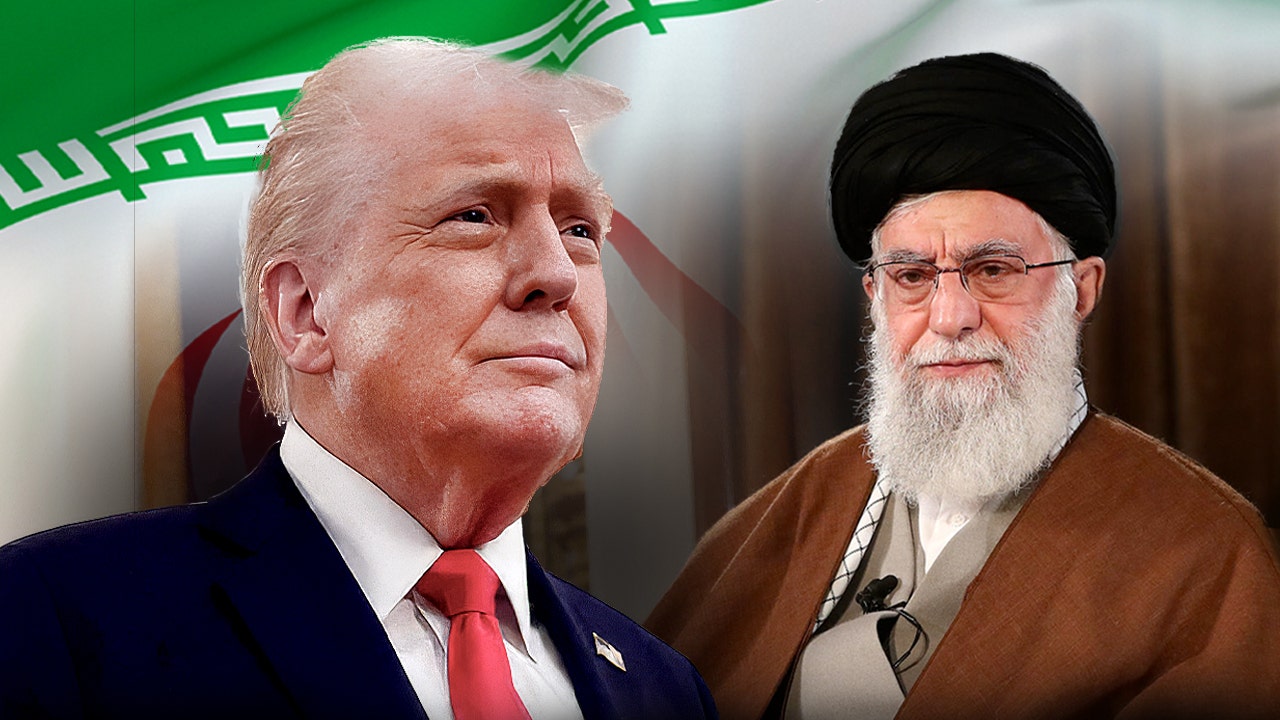
US Military Operations in Iran Significantly Ahead of Schedule, President Claims
President Donald Trump declared on Thursday that the United States’ military operations against Iran are progressing at an accelerated pace, significantly exceeding initial projections. Originally estimated to require between four to six weeks to achieve mission objectives, the campaign, which commenced nearly a month prior, has seen remarkable speed.
“We estimated it would take approximately four to six weeks to achieve our mission. Twenty-six days in we’re extremely, really, a lot ahead of schedule,” Trump stated during his first cabinet meeting since the conflict began on February 28.
The President also took the opportunity to clarify his position regarding the ongoing conflict, emphasizing that he is not the party actively seeking a resolution. “They’re begging to make a deal, not me,” Trump asserted.
Despite denials from Iranian officials regarding ongoing negotiations with the U.S. as the war enters its fourth week, President Trump maintained his assertion that discussions are indeed occurring. “Anybody would know they’re talking,” he remarked. “They’re not fools, they’re very smart actually in a certain way. And they’re great negotiators. I say they’re lousy fighters but they’re great negotiators.”
Diplomatic Overtures and a Key Military Figure’s Demise
Adding a layer to the diplomatic landscape, U.S. Special Envoy Steve Witkoff indicated that there are “strong signs” suggesting Iran might be amenable to a peace agreement. He confirmed that Washington has conveyed a 15-point proposal to Tehran, facilitated by Pakistan as a mediator.
“We will see where things lead, and if we can convince Iran that this is the inflection point with no good alternatives for them, other than more death and destruction. We have strong signs that this is a possibility,” Witkoff commented during the White House cabinet meeting.
In a separate development, the U.S. military acknowledged an Israeli airstrike that resulted in the death of a high-ranking commander within the Iranian Revolutionary Guards’ navy. The U.S. Central Command (CENTCOM) commander, Admiral Brad Cooper, issued a statement asserting that this action “makes the region safer.”
Admiral Cooper further advised that any Iranian personnel serving in the IRGC navy should consider abandoning their positions and returning home to mitigate the risk of “further risk of unnecessary injury or death.”
This statement followed an earlier announcement by Israel on Thursday, claiming responsibility for the elimination of Commodore Alireza Tangsiri, who headed Iran’s Islamic Revolutionary Guard Corps Navy (IRGCN).
Strategic Strait of Hormuz and its Implications
Israeli Defence Minister Israel Katz declared, “The man who was directly responsible for the terrorist operation of mining and blocking the Strait of Hormuz to shipping was blown up and eliminated.”
As of this report, there has been no official confirmation of Commodore Tangsiri’s death from Tehran.
The Strait of Hormuz holds immense global significance as one of the world’s most critical energy transit routes. Prior to the current conflict, it facilitated approximately one-fifth of global oil supply and a substantial volume of key liquefied natural gas exports originating from the Persian Gulf region.
Since the onset of hostilities, Iran has effectively imposed a closure on the strait, a move that has contributed to a significant surge in global oil prices. The strategic importance of this waterway underscores the potential for further escalation and economic disruption stemming from the ongoing conflict.
The rapid advancement of U.S. military objectives, coupled with the elimination of a key Iranian military figure and ongoing diplomatic maneuvers, paints a complex and volatile picture of the situation in the region. The coming days will likely reveal the impact of these developments on regional stability and international relations.