Trump’s Ultimatum: A High-Stakes Diplomatic Standoff with Iran
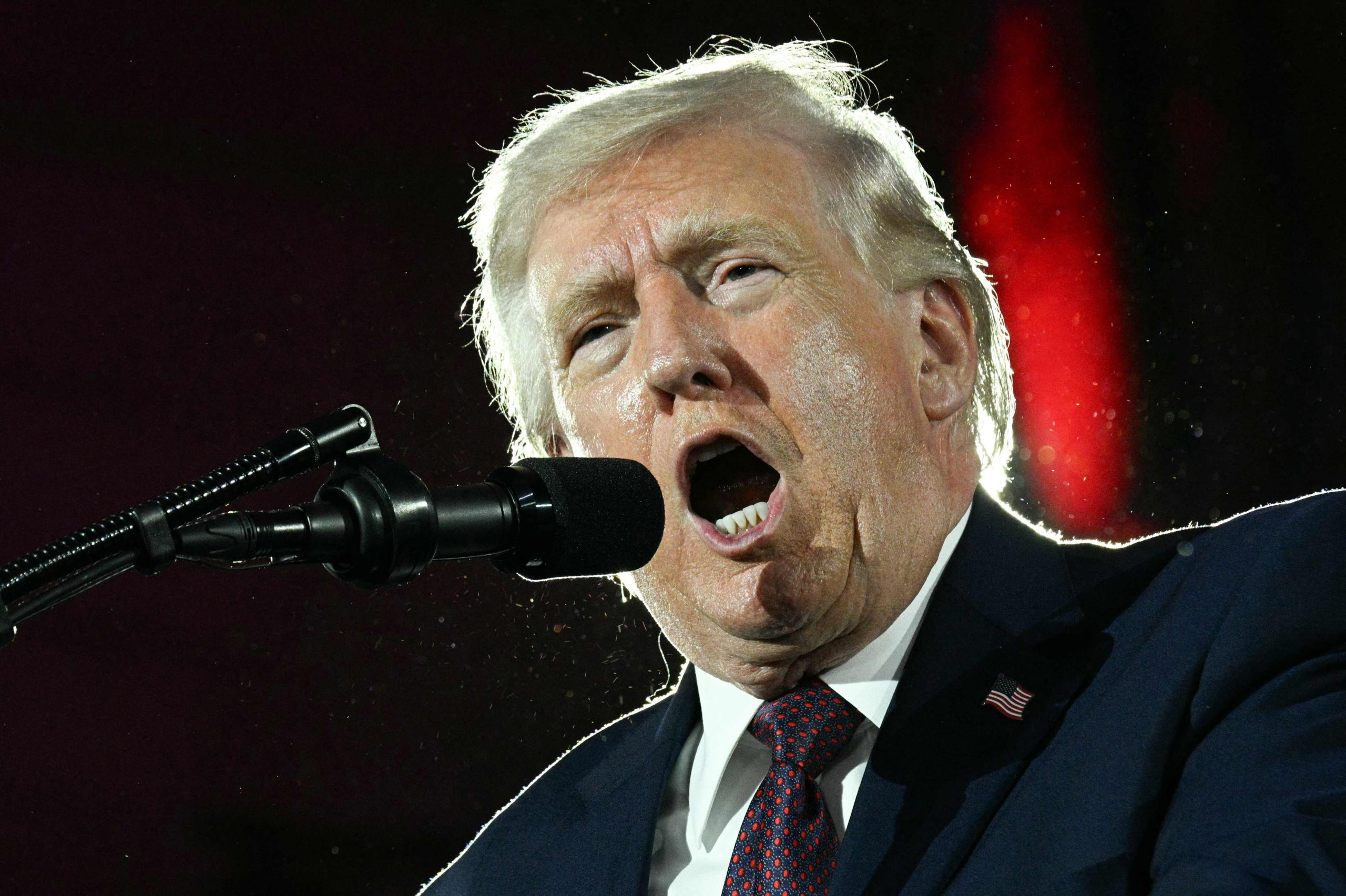
The United States, under President Donald Trump, has dramatically escalated its pressure on Iran, issuing a stark warning that Tehran “better get serious soon, before it is too late.” This assertion, made via the social media platform Truth Social, signals a critical juncture in the increasingly tense diplomatic relationship between the two nations.
President Trump’s early morning post characterized Iranian negotiators as “very different and ‘strange.’” He further elaborated on what he perceives as Iran’s desperate situation, stating, “They are ‘begging’ us to make a deal, which they should be doing since they have been militarily obliterated, with zero chance of a comeback.” Despite this assessment, Trump noted that Iran publicly claims to be merely “looking at our proposal.”
He emphatically rejected this portrayal, declaring, “WRONG!!! They better get serious soon, before it is too late, because once that happens, there is NO TURNING BACK, and it won’t be pretty!” This forceful statement underscores the administration’s belief that time is rapidly running out for Iran to engage in meaningful negotiations.
The timing of President Trump’s remarks is particularly significant, occurring amidst conflicting reports and official statements regarding the existence and progress of U.S.-Iran negotiations.
A Volatile Diplomatic Landscape
Earlier in the week, President Trump had issued a direct ultimatum to Iran, demanding the immediate opening of the Strait of Hormuz, a crucial chokepoint for global oil shipments. However, in a surprising turn of events on the 23rd, he announced “productive talks” with Iran and declared a postponement of planned attacks on Iranian energy facilities for a period of five days.
This apparent shift fueled optimism, with foreign media reporting that the U.S. had conveyed a detailed proposal to Iran, outlining 15 negotiation conditions. This proposal was reportedly delivered through Pakistan, acting as a mediator. Despite these reports, Iran officially denied that any negotiations with the U.S. were currently underway. This discrepancy highlights the deep-seated mistrust and the complex channels through which communication, if any, is being conducted.
Military Reinforcements and Diplomatic Ambiguity
Concurrently with his expressions of willingness to negotiate, President Trump has been bolstering the U.S. military presence in the Middle East. This strategic buildup includes the deployment of thousands of Marines and several amphibious assault ships. Furthermore, reports indicate that the U.S. Army’s elite 82nd Airborne Division is also slated for deployment to the region, signaling a readiness for potential conflict.
This dual approach – simultaneously extending an olive branch for dialogue while simultaneously projecting military power – creates a complex and potentially volatile dynamic. The administration’s strategy appears to be one of applying maximum pressure through both diplomatic and military means, aiming to compel Iran to return to the negotiating table under terms favorable to the United States.
The situation remains fluid, with the ultimate outcome hinging on Iran’s response to this intensified pressure and the effectiveness of the U.S.’s multifaceted strategy. The coming days are likely to be critical in determining whether a diplomatic breakthrough can be achieved or if the region will be pushed closer to further escalation.