Namibia’s Mining Sector Faces Critical Challenges: Union Calls for Urgent Reforms
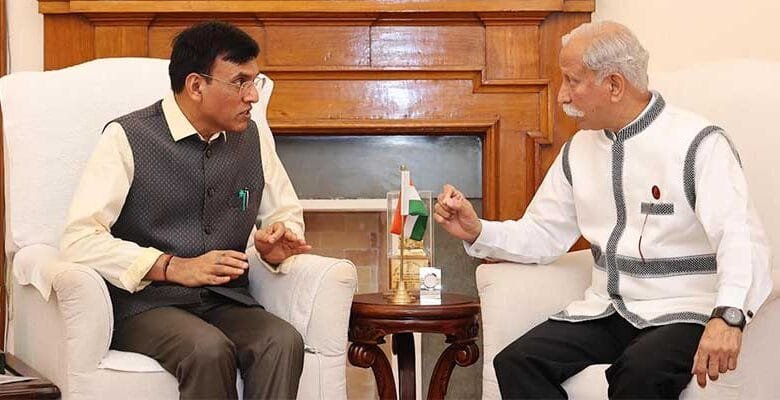
The Mineworkers Union of Namibia (MUN) has engaged with the Minister of Industries, Mines and Energy, Modestus Amutse, to address pressing issues impacting the nation’s vital diamond cutting and polishing sector, as well as broader extractive industries. The union’s delegation, headed by Acting President Poco-key Mberiuana and General Secretary George Ampweya, alongside National Executive Committee representatives from the central region, presented a series of critical concerns to the minister.
At the forefront of the discussion were the deeply concerning developments within the diamond cutting and polishing industry. The union highlighted recent retrenchments at prominent companies such as Almond Diamonds and Dash Diamonds, signalling a worrying trend of job insecurity. Beyond these specific incidents, the MUN expressed alarm over the escalating prevalence of precarious employment conditions across the sector, where workers often face unstable contracts and limited benefits. This situation underscores an urgent need for comprehensive policy and regulatory reforms to ensure fair labour practices and job security.
The MUN also voiced significant concerns regarding the stalled progress of the Diamond Bill. The union believes that certain provisions within the proposed legislation could potentially undermine essential due process and weaken the protections afforded to workers. The lack of progress on this critical piece of legislation is seen as a barrier to establishing a more robust and equitable framework for the diamond industry.
George Ampweya, the MUN General Secretary, emphasized the importance of the union’s role in shaping the future of Namibia’s mining and related sectors. He reiterated the union’s assertion that it should be recognised as a strategic partner in these crucial discussions. Ampweya stated, “Central to our submission is the call for institutionalised tripartite engagement, trade union-inclusive licensing frameworks, and ministerial oversight in sightholder allocation to safeguard employment and sustain beneficiation.” This call advocates for a collaborative approach involving government, industry, and labour, ensuring that worker interests are embedded in policy decisions and that the benefits of diamond beneficiation are equitably distributed.
Key Union Proposals for Sector Reform:
- Institutionalised Tripartite Engagement: The union is pushing for a formal and ongoing mechanism for dialogue and collaboration between the government, industry employers, and trade unions. This structured engagement would ensure that all stakeholders have a consistent platform to voice concerns and contribute to solutions.
- Trade Union-Inclusive Licensing Frameworks: The MUN advocates for the inclusion of trade unions in the process of developing and implementing licensing frameworks for companies operating within the diamond sector. This would give workers a direct say in the conditions under which their employers operate.
- Ministerial Oversight in Sightholder Allocation: The union calls for increased ministerial oversight in the allocation of sightholder status (the right to purchase rough diamonds directly from De Beers). This is seen as a crucial measure to ensure that companies awarded this status are committed to fair labour practices, job creation, and genuine beneficiation within Namibia, rather than simply exporting raw materials.
In response to the MUN’s concerns, Minister Modestus Amutse acknowledged the importance of the issues raised. He expressed particular interest in the sight holder status of the diamond cutting and polishing companies. The Minister committed to undertaking a site visit to these operations in the coming week to gain firsthand insight into the conditions and challenges faced by both the companies and their workforce.
Minister Amutse also welcomed the trade unions’ proactive proposal to work closely with his ministry. He recognised the value of this collaborative approach in effectively addressing the complex challenges confronting the diamond industry. This commitment signals a potential shift towards a more cooperative and solution-oriented relationship between the government and labour unions in navigating the future of Namibia’s valuable extractive resources. The engagement marks a significant step towards fostering dialogue and finding sustainable solutions for the betterment of workers and the industry as a whole.