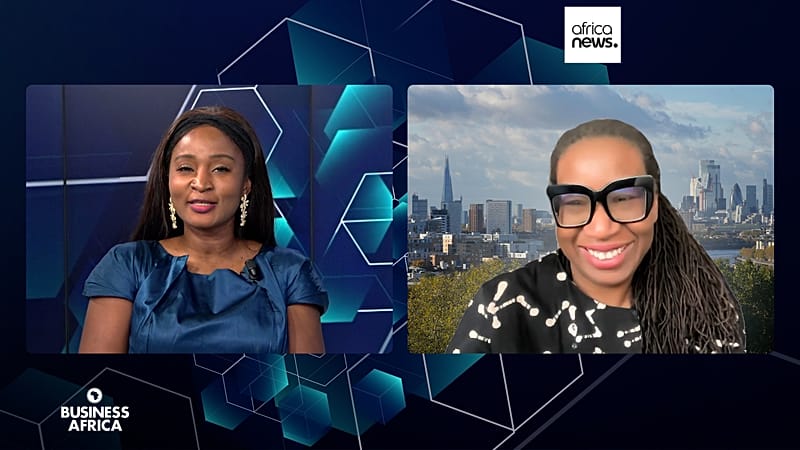
Nigeria’s recent return to Windsor Castle after almost four decades signifies more than just a ceremonial occasion. It heralds a strategic initiative aimed at revitalizing economic partnerships with the United Kingdom and elevating Africa’s most populous nation on the global economic stage. This historic engagement underscores a palpable shift in the dynamics of UK-Africa relations, with Nigeria actively pursuing avenues to attract foreign direct investment, forge deeper trade connections, and unearth novel avenues for economic expansion.
The effectiveness of this renewed engagement will ultimately hinge on translating high-level discussions and agreements into concrete, measurable achievements. As articulated by Dorothea Hodge, CEO of Aequitas Global, the true measure of success will lie in the tangible outcomes that emerge from these diplomatic and economic overtures. This visit also has the potential to reshape Nigeria’s standing within the United Kingdom’s overarching strategy for engagement with the African continent. In an increasingly competitive global marketplace, London is keen to solidify and enhance its trade and investment relationships across Africa.
Leveraging the Diaspora Advantage
A significant asset in this burgeoning partnership is Nigeria’s substantial diaspora population residing in the UK, estimated to be over one million individuals. This vibrant community is poised to play a pivotal role in fostering a more robust and mutually beneficial relationship. The contributions of this diaspora are already considerable, manifesting through remittances, entrepreneurial ventures, and the extensive professional networks they cultivate, all of which significantly bolster Nigeria’s economy. Industry experts suggest that the implementation of more refined policies and the development of targeted initiatives could further unlock this latent potential. By strategically harnessing diaspora engagement, Nigeria can transform this demographic into a potent catalyst for bilateral economic growth.

Evolving Investment Landscapes Across Africa
Beyond the Nigeria-UK nexus, investment patterns are undergoing significant evolution across the African continent, reflecting a growing diversification of financial strategies.
Uganda’s Pivot to Government Securities
In Uganda, the traditional foundation of wealth accumulation has long been rooted in real estate, specifically land ownership and rental properties. However, a discernible shift is occurring, with an increasing number of investors directing their capital towards government securities. This trend is largely propelled by the allure of Treasury yields that are currently approaching an impressive 18 percent.
- These government-backed instruments are becoming increasingly attractive due to their promise of stable, low-risk returns.
- They offer a compelling alternative to the inherent complexities and demands of property management.
- This growing preference signifies a burgeoning confidence in the stability and reliability of government-backed financial assets within the Ugandan market.
Women Driving Change in Côte d’Ivoire’s Rubber Sector
Meanwhile, in Côte d’Ivoire, a quiet yet profound transformation is taking root within the nation’s vital rubber industry. A growing cohort of women are actively asserting their rights to land ownership for cultivation purposes, a development that challenges deeply entrenched, long-standing norms within a sector historically dominated by men.
- This empowerment is not merely contributing to enhanced incomes for these women but is also instrumental in redefining traditional inheritance practices.
- Consequently, these changes are forging new and vital pathways towards greater financial independence and fostering intergenerational economic progress.
- The increasing participation and empowerment of women in agriculture, particularly in key export sectors like rubber, signals a broader societal evolution and a more inclusive economic future for Côte d’Ivoire.