US Troop Deployment in Nigeria: A Potential Escalation of Insecurity?
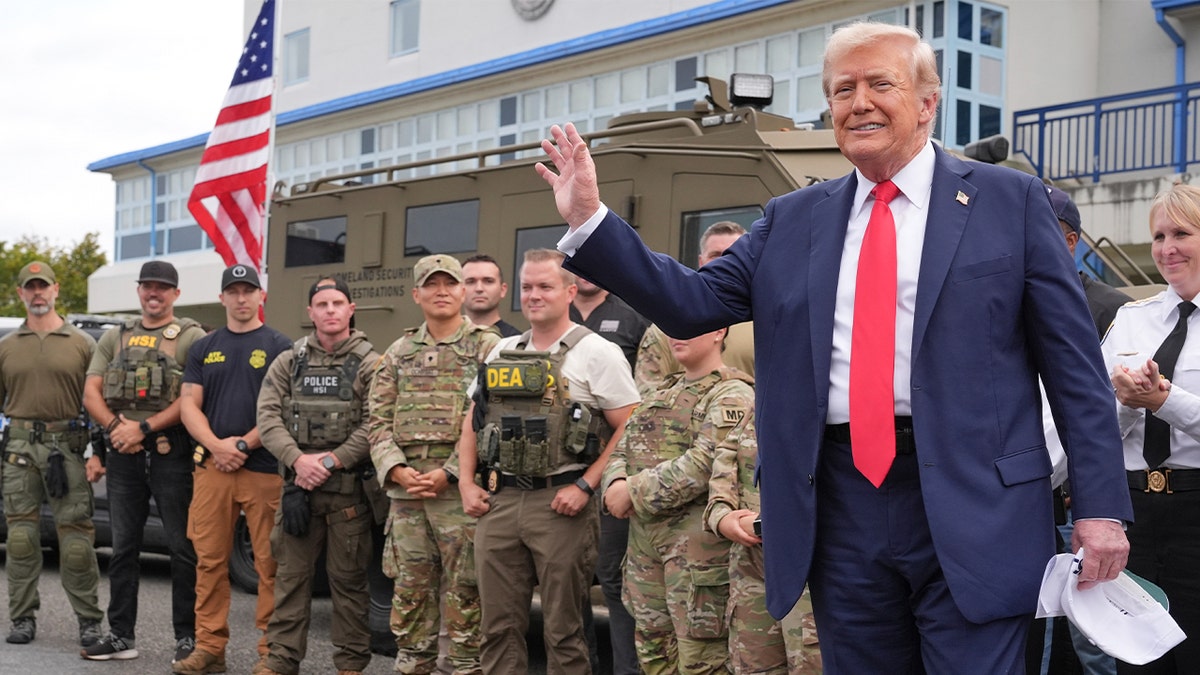
The recent deployment of United States soldiers to Nigeria, intended to bolster the West African nation’s counterterrorism efforts, has sparked significant debate and raised concerns among security scholars. While the stated objective is to enhance Nigeria’s capacity to combat insurgency, critics argue that this move could inadvertently exacerbate existing security challenges, undermine national sovereignty, and deepen regional divisions.
Since Nigeria’s return to democratic rule in 1999, the country has grappled with escalating insecurity, particularly in its northern regions. The statistics paint a grim picture: in 2024, a staggering 9,662 lives were lost nationwide, with 86% of these fatalities occurring in the north. This trend continued into 2025, with violent deaths climbing to 11,968, the northern part of the country remaining the most severely affected. The arrival of the first contingent of US troops occurred mere months after a US airstrike targeted militants in Nigeria’s north-west on Christmas Day 2025.
Nigerian defence officials have articulated that the presence of US troops will provide Nigerian forces with access to specialized technical capabilities, thereby strengthening their ability to counter terrorist threats and better protect vulnerable communities. This is not the first instance of foreign military involvement in Nigeria’s post-independence history. Foreign soldiers previously participated in the Nigerian Civil War and were involved in efforts to re-professionalize the Nigerian Armed Forces. Furthermore, between December 2014 and April 2015, Nigeria reportedly engaged a private military company, STTEP International, comprised of South African ex-soldiers, for direct combat operations against insurgents. However, the government at the time denied these reports. The current deployment marks a new chapter, with US soldiers slated to participate in operations directly linked to Nigeria’s counterterrorism campaign, a development that has elicited mixed reactions from the Nigerian public.
Potential Ramifications of US Military Presence
As a security scholar specializing in Nigeria’s security crises, there are profound concerns that the presence of US soldiers, irrespective of their numbers, could prove counterproductive.
-
Erosion of Sovereignty and National Pride: The armed forces of any nation are intrinsically linked to its sovereignty. The involvement of foreign personnel in combat operations can be domestically interpreted as a relinquishing of control over national security, potentially fostering a perception of weakness. The United States has long sought to establish a presence for its Africa Command (Africom) in Nigeria, a move that Nigeria has historically resisted, citing concerns over sovereignty, regional politics within ECOWAS, and broader strategic considerations. The recent US airstrikes and subsequent troop deployment have intensified criticism against President Bola Tinubu, with some questioning his ability to act as a decisive commander-in-chief when a foreign power is perceived to be handling security matters.
-
Exacerbating Religious and Political Divides: The political discourse surrounding Nigeria’s security challenges has, at times, been framed along religious lines, potentially widening existing societal fissures. The perception that the US might be intervening based on religious considerations, coupled with past statements characterizing Nigeria’s security issues as the persecution of Christians, could fuel conspiracy theories. One such narrative suggests that the US has ulterior motives, such as gaining access to Nigeria’s critical mineral resources.
-
Deepening Regional Crises and Shifting Alliances: The deployment could further complicate the existing tensions between the Economic Community of West African States (ECOWAS) and the newly formed Alliance of Sahelian States (AES). The AES, comprising Mali, Niger, and Burkina Faso, emerged following a series of coups and a subsequent disengagement from Western powers. These nations have increasingly turned towards Russia and China for security and economic partnerships. Niger, for instance, has ordered the withdrawal of over a thousand foreign military personnel and the closure of US facilities, including a drone base. Russia’s growing military presence in the region, with an estimated 1,500 troops tagged as the African Corps operating in Mali alone, suggests a significant geopolitical shift. The US troop deployment in Nigeria, within this context of fractured regional blocs and shifting alliances, risks escalating insecurity across the Sahel and West Africa.
-
Increased Risk of Terrorist Attacks: The United States is often viewed as the primary global proponent of Western influence, making it a frequent target for Islamist terrorist organizations. Groups like Boko Haram and its foreign affiliates, such as al-Qaeda and ISIS, have often perceived Nigeria as acting as a proxy for US interests. The presence of US soldiers on Nigerian soil could amplify this perception, potentially increasing Nigeria’s profile as a target for terrorist attacks. Reports suggest an escalation of terrorist activities in Nigeria since the Christmas Day bombing, with daring attacks on military bases in Borno State resulting in the deaths of high-ranking officers and the seizure of arms and ammunition.
The aftermath of a military operation or attack can have significant implications for regional stability.
The presence of foreign military personnel can sometimes lead to unforeseen consequences.
-
Hindering Long-Term Military Development: Even if the US military’s role is confined to providing support in areas like intelligence, surveillance, reconnaissance, logistics, and air power, an over-reliance on foreign assistance could stunt the organic development of Nigeria’s own armed forces. This could create a dependency that undermines Nigeria’s long-term self-sufficiency in addressing security challenges. In instances where US forces might come under attack, there is a precedent for escalation, as seen in Somalia in 2017 when US military operations were expanded after a US Navy SEAL was killed by al-Shabaab.
Alternative Avenues for Support
While US support is acknowledged as crucial for enhancing Nigeria’s security capabilities, the form this support takes is critical. Instead of direct military boots on the ground, a more beneficial approach would involve increased training programs and the provision of precision equipment. Such measures could address critical shortages faced by the Nigerian Armed Forces and empower them to more effectively combat insecurity without compromising national sovereignty or exacerbating regional tensions.