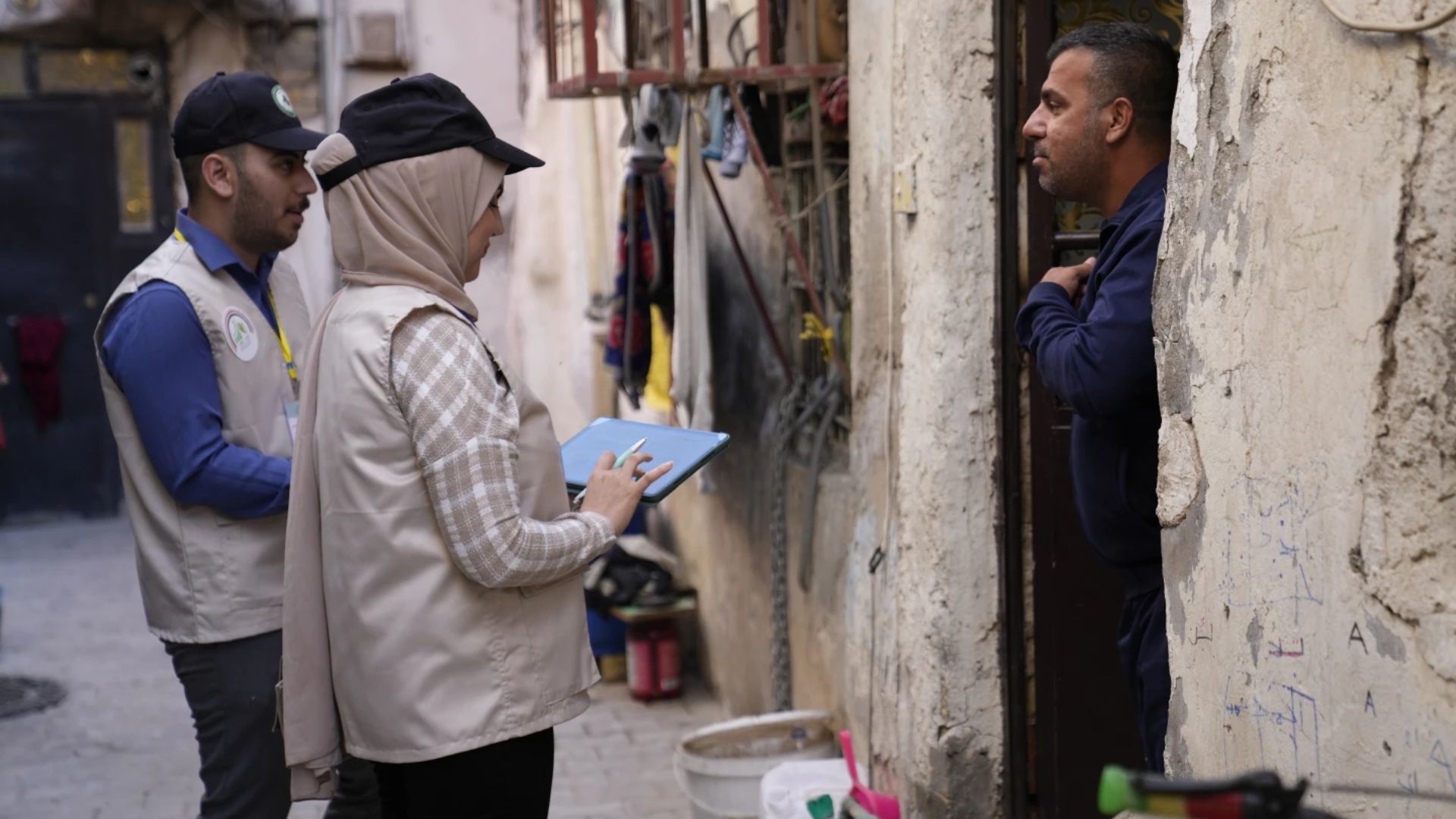
Democratic Republic of Congo Embarks on Landmark Population Census After Four Decades
The Democratic Republic of the Congo (DRC) has initiated a monumental undertaking: its second General Population and Housing Census (RGPH-2). This long-awaited event marks the first comprehensive demographic count in 42 years, with the last census having been conducted in 1984. The nation’s current population is estimated to be a staggering 112 million, a figure that underscores the critical need for accurate data.
President Félix Tshisekedi has emphasized the transformative purpose of this census, stating that it is designed to furnish concrete data that will inform decision-making, moving away from reliance on approximations. This initiative is poised to provide a foundational understanding of the DRC’s populace, essential for effective governance, resource allocation, and national development planning.
Mobilising Resources for a National Endeavour
Recognizing the significant financial and logistical challenges of such a large-scale operation, the Congolese government, through its Ministry of Planning, has actively engaged in resource mobilization efforts. A high-level roundtable was recently convened, bringing together key international partners and technical experts. Notable participants included representatives from the United Nations, the World Bank, and the African Development Bank (AfDB), alongside numerous other technical collaborators.
The international community has responded with substantial financial commitments. The World Bank has pledged a significant package of $100 million, with a substantial 75 percent of this amount specifically allocated to the census project. The African Development Bank has committed $50 million, a portion of which will be dedicated to crucial capacity-building initiatives for the enumerators who will be at the forefront of data collection.
Further support has been secured from UNICEF and the United Nations Population Fund (UNFPA). The UNFPA will also be undertaking the vital role of fiduciary management for the project, ensuring the efficient and transparent handling of funds. Their combined contribution amounts to $3 million, alongside invaluable technical expertise that will be instrumental in the successful execution of the census. The Congolese government has also demonstrated its commitment by mobilizing $30 million from its own resources.
A Multi-Year, Phased Approach to Data Collection
The undertaking of the RGPH-2 is a multi-year endeavor, projected to span a total of three years. The entire process has been meticulously structured into four distinct and sequential phases to ensure thoroughness and accuracy:
-
Phase 1: Legal Framework and Resource Mobilisation: This initial phase focuses on establishing the necessary legal and regulatory frameworks to govern the census operations. Simultaneously, it involves the ongoing mobilization of financial and human resources, building upon the commitments secured from national and international partners. This foundational stage is crucial for setting the stage for all subsequent activities.
-
Phase 2: Methodological and Cartographic Preparation: This critical phase involves the development of the census methodology, including the design of questionnaires and data collection instruments. It also encompasses extensive cartographic work to ensure precise mapping of all enumeration areas across the vast and diverse territory of the DRC. Accurate maps are essential for ensuring that no household is missed and that enumerators can efficiently navigate their assigned zones.
-
Phase 3: Household Count and Data Collection: This is the core operational phase where enumerators will conduct a comprehensive count of all households and their inhabitants across the entire nation. This will involve extensive fieldwork, requiring a large and well-trained workforce to cover both urban and remote rural areas. The success of this phase hinges on meticulous planning and effective execution of data collection protocols.
-
Phase 4: Data Processing, Analysis, and Publication: Once the data has been collected, it will undergo rigorous processing and analysis. This phase involves cleaning the data, ensuring its accuracy, and then analyzing it to derive meaningful statistics and insights. Finally, the results of the census will be published and disseminated to the government, researchers, and the public, providing a vital resource for understanding the demographic landscape of the DRC.
The successful completion of the RGPH-2 is expected to have a profound and lasting impact on the Democratic Republic of the Congo, providing the essential data needed to shape a more informed and prosperous future for its citizens.