Nigerian Journalists Urged to Prioritise Safety and Ethics Amidst Election Cycle
As Nigeria braces for another election cycle, media professionals have been strongly advised to place paramount importance on safety, professionalism, and unwavering ethical conduct. This crucial call comes amidst growing concerns over escalating political tensions and the pervasive spread of misinformation, which can significantly impact the democratic process.
The directive was issued during the 2026 Annual Press Week lecture, an event meticulously organised by the Lagos State Governor’s Office Correspondents (LAGOCO) and held at the Bagauda Kaltho Press Centre in Alausa, Ikeja.
The Lagos State Commissioner for Information, Gbenga Omotoso, took the opportunity to commend LAGOCO for its dedication to fostering professional standards and promoting robust collaboration within the Nigerian media landscape. Omotoso underscored the critical nature of elections within a democratic framework, noting that these events are often perceived through vastly different lenses by various stakeholders.
“While journalists view elections as an indispensable tool for advancing democratic progress, a significant portion of the citizenry approaches them with a mindset akin to wartime,” Omotoso remarked. He elaborated that this stark contrast highlights the profound necessity for responsible reporting and a concerted effort towards national unity.
Omotoso implored all Nigerians, with a particular emphasis on journalists, to actively embrace peaceful conduct throughout the entire electoral period – encompassing the pre-election phase, the voting day itself, and the post-election period. He stressed that any grievances arising after the elections must be addressed through established legal channels and non-violent means.
The Imperative of Ethical Journalism
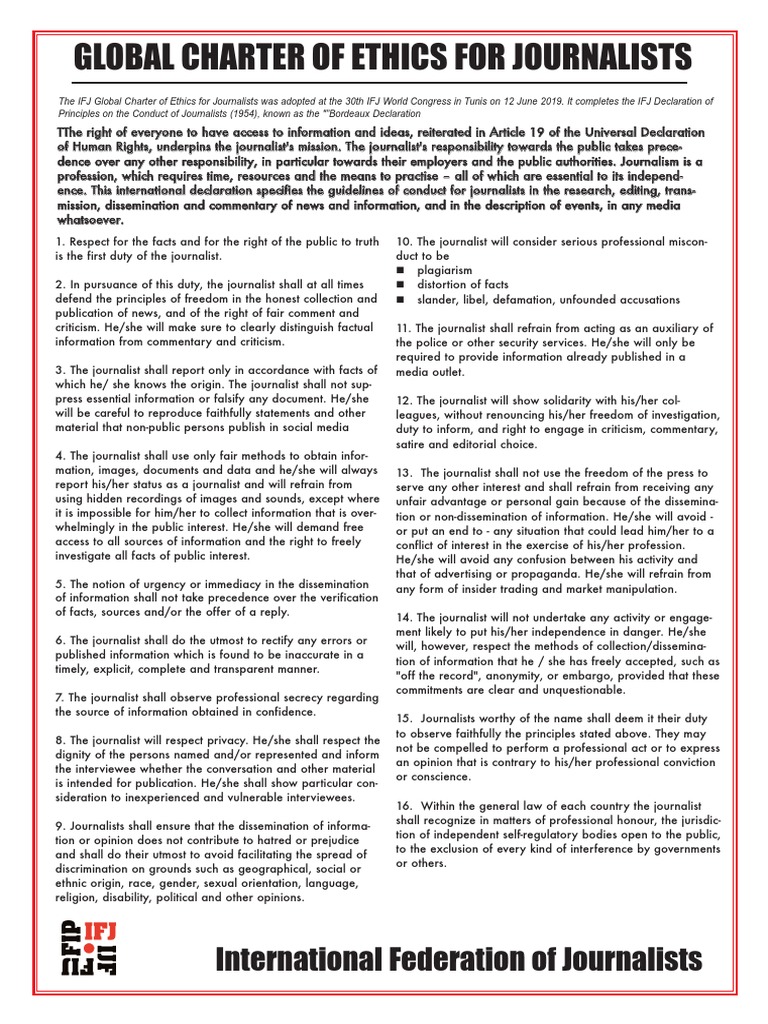
Adeleye Ajayi, the Chairman of the Nigeria Union of Journalists, speaking through his representative Philips Nwosu, lauded the lecture’s theme as exceptionally timely. He reiterated the indispensable role of ethical journalism, which is fundamentally anchored in truth, fairness, and balance, particularly during the sensitive and often volatile election periods.
Mrs. Adebunmi Dasilva, the Administrative and Human Resources Manager of the Press Centre, also shared her insights, praising the LAGOCO members for their consistent professionalism and their commitment to inclusivity. She advocated for enhanced engagement and dialogue between the media fraternity and political actors, a move she believes would cultivate a more constructive and productive discourse surrounding national issues.
Safeguarding Democracy Through Responsible Reporting
Delivering the keynote address, titled “Election and Ethical Journalism: The Role of the Media in Safeguarding Democracy,” esteemed media expert Taiwo Olapade urged journalists to exercise heightened vigilance and caution as political activities intensify across the nation.
Olapade pointed out the transformative impact of the rapid expansion of electronic, digital, and social media platforms. He noted that while these channels have amplified the reach and speed of information dissemination, they have simultaneously magnified the inherent risks associated with the spread of unverified or misleading content.
Reflecting on Nigeria’s electoral history, tracing its journey from the 1959 parliamentary elections to the current democratic era, Olapade acknowledged the media’s consistent and pivotal role in shaping public perception and influencing electoral outcomes. However, he strongly emphasised the non-negotiable need for strict adherence to established ethical standards.
“Journalists must meticulously ensure fairness by extending the right of reply to all contesting parties and resolutely avoiding the propagation of one-sided narratives,” Olapade stated. “We must consciously act as dedicated advocates for the people while simultaneously safeguarding the overarching national interests.”
Olapade further highlighted the significance of developmental journalism, asserting that national security and social stability should be considered paramount priorities, especially during periods of heightened political sensitivity.
In a crucial piece of advice to his fellow journalists, Olapade stressed the absolute necessity of prioritising personal safety. He also strongly recommended the rigorous verification of electoral information through official and credible channels, such as the Independent National Electoral Commission (INEC), before any publication. This diligence, he explained, is vital to effectively combat misinformation and mitigate potential legal repercussions.
The discussions throughout the event underscored a shared commitment to ensuring that the media serves as a responsible and ethical pillar in Nigeria’s democratic journey, particularly as the nation navigates the complexities of upcoming elections. The emphasis on truth, safety, and accountability serves as a vital reminder of the media’s profound responsibility in a democratic society.