Uganda Signals Potential Alliance with Israel Amidst Escalating Middle East Tensions
Uganda has indicated a willingness to join the escalating conflict in the Middle East on the side of Israel, should the situation intensify. This potential commitment was articulated by Muhoozi Kainerugaba, the country’s military chief, in a series of public statements.
In posts shared on the social media platform X (formerly Twitter) on Thursday, Kainerugaba declared, “if Israel needs help, it only need ask” and affirmed that “their Ugandan brothers are ready to assist.” He further emphasized a desire for the cessation of hostilities, stating, “We want the war in the Middle East to end now. The world is tired of it. But any talk of destroying or defeating Israel will bring us into the war. On the side of Israel.”
This declaration of solidarity is deeply rooted in a historical connection between Uganda and Israel, specifically stemming from the 1976 Entebbe rescue operation. This daring raid saw Israeli commandos liberate 102 hostages from an Air France plane that had been hijacked at Entebbe Airport. The operation, known as Operation Thunderbolt, tragically resulted in the death of Yonatan Netanyahu, brother of current Israeli Prime Minister Benjamin Netanyahu, who was leading the mission.
The 1976 raid was a high-stakes counter-terrorism operation. The hijacked aircraft was taken by militants demanding the release of prisoners, with support from Uganda’s then-leader, Idi Amin. In a clandestine mission, over 100 Israeli special forces operatives infiltrated Uganda. Upon arrival, they ingeniously employed a decoy convoy, mimicking Idi Amin’s motorcade, to approach the terminal. The operation successfully neutralized all seven hijackers and several Ugandan soldiers. The entire raid concluded in approximately 90 minutes, with 102 hostages rescued. However, one hostage was reportedly killed by Ugandan authorities after the rescue. Yonatan Netanyahu, the commander of the elite unit, became the sole fatality among the Israeli rescue team.
Reflecting this historical bond, Uganda announced plans last month to erect a statue in Yonatan Netanyahu’s honor. Muhoozi Kainerugaba shared a preview of the commemorative statue on X, describing it as “a sneak peek of the ‘Yoni’ statue that will soon be unveiled at Entebbe International Airport.”
Kainerugaba also drew a parallel between Uganda’s current pledge of support for Israel and financial assistance provided by Israel to Uganda in previous decades. He stated, “Israel stood with us when we were nobodies in the 1980s and 1990s. Why wouldn’t we defend her now that our GDP is $100 billion? One of the largest in Africa.”
Understanding the Israeli-Iranian Conflict
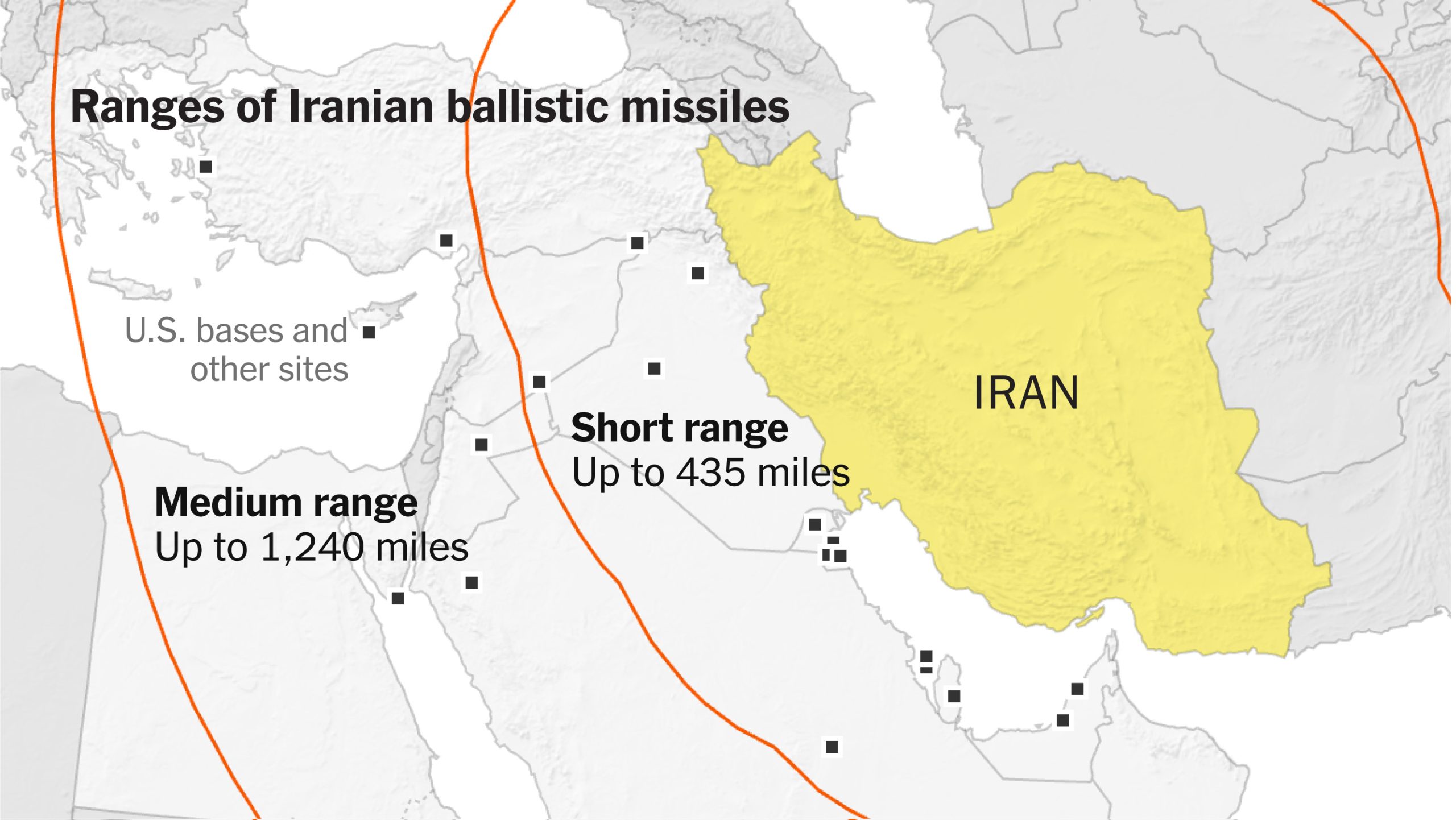
The broader context for these statements is the ongoing Israeli-Iranian conflict, a complex geopolitical struggle characterized by Iran’s nuclear ambitions and its backing of regional proxy groups. Israel views these activities as existential threats. What began as decades of covert cyber warfare and proxy confrontations has escalated to include direct missile strikes targeting military and nuclear infrastructure.
The United States, a staunch ally of Israel, has become increasingly involved in the conflict, conducting joint operations with Tel Aviv against Iranian positions. A network of regional militant proxies, including Hezbollah in Lebanon, the Houthis in Yemen, and various militias in Iraq and Syria, are also entangled in the confrontation as allies of Iran. These groups, supported by global powers like Russia and China, aim to counter Israeli and US influence in the Middle East, with Iran itself targeting US allies across the Gulf region. Nations such as Saudi Arabia, the United Arab Emirates, Bahrain, Kuwait, and Qatar have experienced waves of missile and drone attacks, underscoring the risk of the conflict metastasizing into a wider regional war.
Kainerugaba issued a direct warning to Iran, stating, “if Tehran dares hit us with missiles, we shall retaliate with our own missiles.”
Perceived Imbalance and Public Reaction
It is important to note that Iran possesses a significant military advantage over Uganda in terms of conventional metrics, including personnel, firepower, economic resources, and technological capabilities. This stark disparity has been a subject of widespread online commentary and memetic content, with some AI-generated videos circulating on X depicting Ugandan soldiers purportedly heading to war with missiles transported in wheelbarrows.
While Ugandan officials have occasionally dismissed such remarks as mere “social media banter,” Kainerugaba’s pronouncements on diplomatic and foreign policy matters are often taken seriously on the international stage, even when delivered in a casual or provocative manner. His dual role as Uganda’s Chief of Defence Forces and the son of President Yoweri Museveni means his statements are frequently interpreted as unofficial signals of state policy.