Social Media Content Removals Spark Free Speech Concerns in India Amidst Foreign Policy Scrutiny
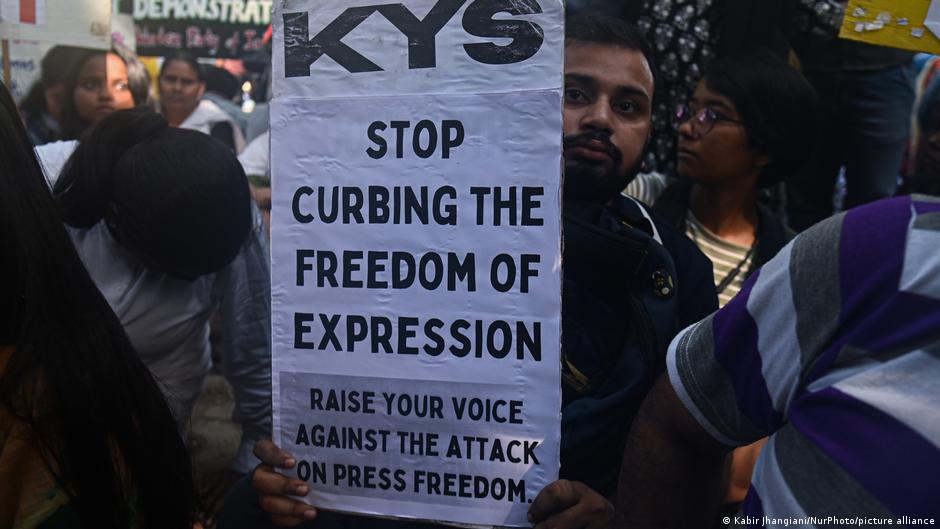
Activists and digital rights organizations in India are raising significant concerns over a recent surge in the removal of social media content, particularly posts that voice criticism of the government’s foreign policy decisions and its perceived silence on international conflicts. Over the past two weeks, internet watchdogs have documented dozens of instances where content critical of India’s stance on the recent US-Israeli strikes in Iran has been taken down from various social media platforms.
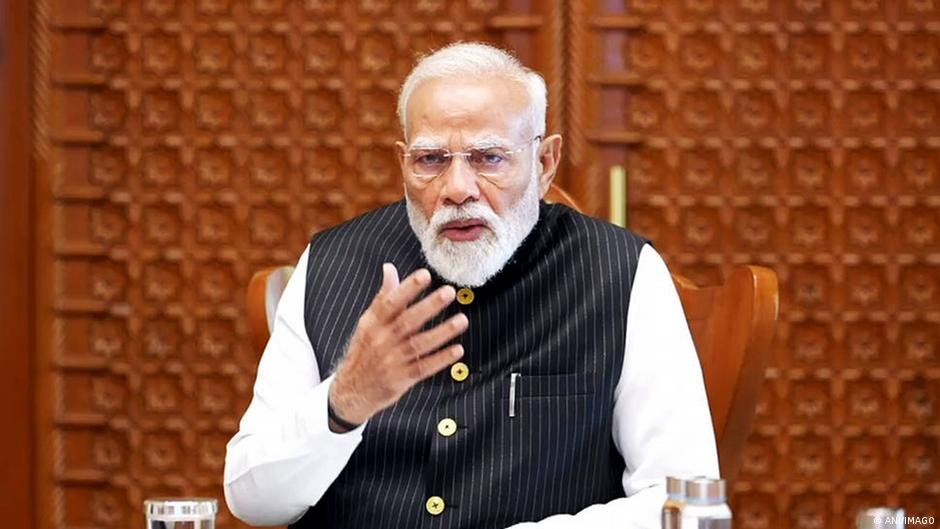
The timing of these removals is particularly noteworthy, with a marked increase in social media account restrictions and content takedowns beginning around March 11th. By March 19th, the Internet Freedom Foundation had recorded at least 42 such incidents. This period coincides with a sensitive moment in Indian foreign policy, following Prime Minister Narendra Modi’s visit to Israel in late February, shortly before Israel launched its strikes in Iran. The Prime Minister’s typically cautious approach to the conflict has placed India’s foreign policy under unusual domestic scrutiny.
In a recent parliamentary address, Prime Minister Modi acknowledged the “worrisome” nature of the global situation, asserting that India’s “inherent” economic strength would enable the nation to navigate the “unprecedented challenges” posed by the ongoing conflict. He also stated that New Delhi was actively “encouraging all sides to end [the conflict] peacefully.”
A Pattern of Content Removal
The removed content has displayed a clear pattern, encompassing political cartoons, satirical pieces, opposition messaging, and commentary that questions India’s diplomatic posture regarding the war in the Middle East.
-
Satirical Cartoons Targeted: Renowned cartoonist Satish Acharya reported the blocking of two of his cartoons related to India-Iran relations. One illustration depicted Prime Minister Modi blindfolded alongside a body labeled “Killed by USA & Israel,” while another criticized India’s silence concerning the US Navy’s sinking of an Iranian vessel in the Indian Ocean.
-
Satirical Videos and Mockery: Online news portal ‘The Wire’ also experienced the removal of satirical videos. These included content that mocked the government’s silence following the US-Israeli strikes and questioned whether New Delhi had implicitly endorsed the offensive.
-
AI-Generated Content and Expert Opinions: Posts generated by artificial intelligence from opposition figures, as well as comments from a retired Air Force officer, were also taken down. Some of these removed posts warned that the government’s reticence could jeopardize ties with Iran and accused New Delhi of abandoning its long-held policy of strategic autonomy.
-
Parody Accounts and Public Figures: The apparent censorship also extended to popular parody accounts, including “@DrNimoYadav” and “@Nehr_who.” Furthermore, a widely viewed satirical reel that mocked the Prime Minister’s perceived closeness to Israel and questioned his reluctance to publicly address the strikes was also removed.
-
Restrictions on Clerics and News Portals: In early March, Meta platforms reportedly restricted the accounts of Kashmiri Shia clerics Molvi Masroor Abbas Ansari and Aga Syed Mohammad Hadi, along with several local news portals. These actions followed protests reportedly linked to developments in Iran.
Opposition Voices Amplify Concerns
Supriya Shrinate, a spokesperson for the opposition Indian National Congress, commented that these takedowns highlight a growing sensitivity surrounding criticism of the government’s foreign policy, particularly its silence on the Iran conflict. “Bureaucrats will decide what is acceptable on social media. Anything critical of the prime minister will have to go,” Shrinate stated, adding that this represents “the biggest attack on freedom of speech” and that she herself has received multiple notices.
While a direct government order specifically targeting critics of the Iran conflict has not been proven, both critics and analysts acknowledge the difficulty in establishing such direct links due to the opaque nature of the system.
The Legal Framework and Lack of Transparency
The content removals are facilitated by a legal framework that empowers the government to intervene directly in online content. This framework allows for orders to platforms to remove or block content on grounds such as national security or public order. These directives are legally binding but are not publicly disclosed.
Apar Gupta, the founding director of the Internet Freedom Foundation, noted that most evidence of these takedowns has emerged only because users themselves have shared takedown notices. “There is no public record of these orders or the reasoning behind them. The opacity is by design and it makes it impossible to verify intent or trace decision-making,” Gupta remarked.
Prateek Waghre, a researcher at the Tech Global Institute, echoed these sentiments, stating that the lack of transparency makes definitive conclusions challenging. He pointed out that “confidentiality is built into the process.” However, Waghre did confirm “an uptick in blocking requests starting late February” and observed that “public scrutiny of the government’s foreign policy is being viewed particularly sensitively.”
Geopolitical Tensions and Rising Removals
While India has historically issued a substantial volume of takedown requests, analysts suggest that the current clustering of removals around criticism of the government’s Iran policy represents a significant shift.
Government officials maintain that such removals are essential for safeguarding national security, preserving public order, and preventing the dissemination of inflammatory content, especially during periods of regional instability. “These steps are about ensuring harmful or misleading content does not escalate tensions in a sensitive geopolitical environment. There is no intent to target legitimate criticism,” an anonymous government official stated.
However, digital rights advocates express concern over the application of these powers. Internet Freedom Foundation director Gupta highlighted the confluence of timing, content type, and secrecy. “In a transparent system, you could examine whether this is coordinated. Here, you cannot, and that is the point,” he asserted.
Researchers estimate that the actual scale of these removals may be considerably larger than what has been publicly documented. Waghre indicated that at least 50 instances of takedowns involving political speech and satire have been recorded since February, with a notable increase in March. “There appears to be heightened sensitivity to posts on social media platforms critical of the government,” he observed, suggesting the actual number is likely higher.
Foreign Policy’s Tangible Impact on Daily Life
Pamela Philipose, a researcher and media expert, believes this wave of criticism reflects how Prime Minister Modi’s foreign policy is now having a more direct impact on domestic concerns. This is particularly evident in the surge of gas prices, exacerbated by the disruption of the Strait of Hormuz, a critical shipping lane for a significant portion of the world’s crude oil.
“Under the Modi government, foreign policy is no longer abstract or distant. It is under public scrutiny because it is beginning to affect everyday lives,” Philipose commented. “The energy shock, especially rising LPG costs, has made the Iran conflict tangible for ordinary Indians, and that has turned it into a politically sensitive issue. People are asking questions despite the visible pressure on social media.”
For public interest technology expert Karan Saini, the recent surge in takedowns is significant precisely because it is linked to a specific geopolitical moment. “It is not possible to know the true scale of takedown orders,” he stated. “What we do know is that the numbers are rising, and the recent spike is unusual.” Saini added, “Many of these notices appear to originate from government ministries. That sharp increase, combined with the lack of transparency, is unprecedented and worrying.”