Urgent Calls for Social Media Reform as UK Debates Under-16 Ban
The United Kingdom is at a critical juncture regarding the online safety of its youngest citizens, with significant debate surrounding potential restrictions on social media access for individuals under the age of 16. The urgency of the matter has been amplified by a recent landmark court ruling in the United States, which found major tech companies liable for designing platforms that foster addiction among young users, disregarding their well-being.
In the UK, the government is actively considering various measures, including a potential outright ban on social media for under-16s, a move that mirrors similar prohibitions enacted in Australia. This consultation process is underway while hundreds of teenagers are currently participating in trials involving social media bans, imposed time limits, and curfews.
The pressure on lawmakers to take decisive action intensified recently when the House of Lords, the UK’s upper parliamentary chamber, voted in favour of a social media ban for under-16s for the second time. This vote represented a significant defeat for the government, with peers voting 266 to 141 in favour of an amendment to the Children’s Wellbeing and School’s Bill, proposed by Conservative former minister Lord Nash. The amendment will now return to the House of Commons for further consideration through a parliamentary process known as “ping-pong.”
The government has stated its intention to oppose the amendment for now, indicating a preference to conclude its ongoing consultation on social media restrictions before committing to specific legislative measures.
However, Lord Nash has emphasized that the House of Lords has sent an “unambiguous message” to the government, signalling strong support for a ban on social media for those under 16. He articulated that the increased number of peers voting in favour this time sends a clear directive to the government, urging immediate action to raise the age limit for access to harmful social media sites to 16.
US Verdict Sends Ripples Across the Atlantic
The legal proceedings in the United States, which formed the backdrop to these discussions, were initiated by a young woman who argued that her childhood addiction to social media had significantly worsened her mental health issues. This case, and its precedent-setting verdict, could have far-reaching implications for thousands of similar lawsuits that accuse social media firms of causing harm to their users.
In Los Angeles, a jury recommended that the 20-year-old plaintiff in the case be awarded six million dollars (£4.4 million) in damages. While Meta and Google, the companies involved, have expressed their disagreement with the verdict and have indicated plans to appeal, the ruling has undeniably shifted the conversation around platform accountability.
Political Leaders Vow to Go Beyond the Status Quo
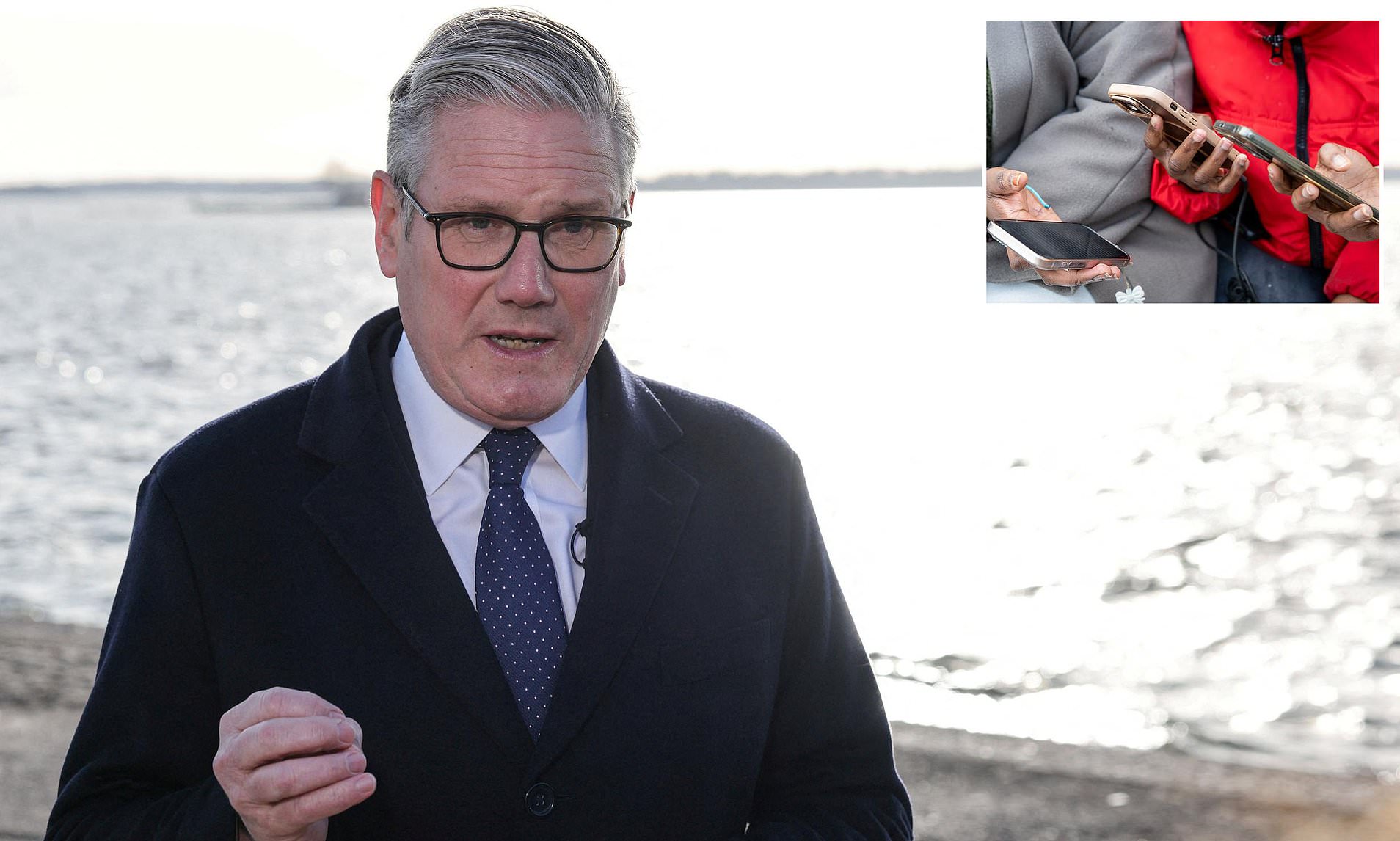
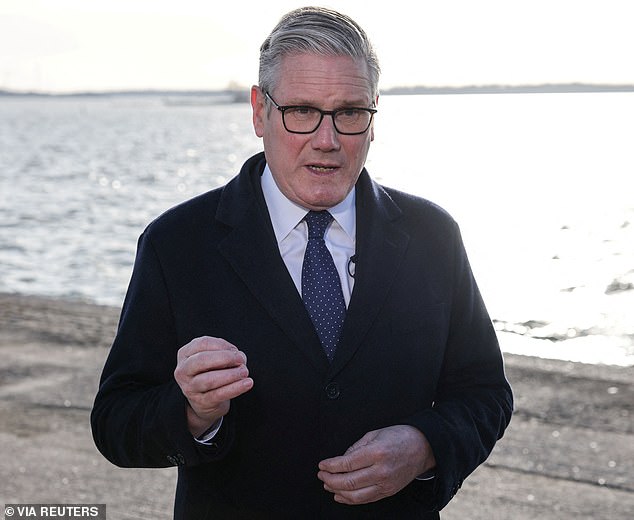
In response to the US verdict and the growing concerns, Keir Starmer, the leader of the Labour Party, has expressed his conviction that the current approach to social media regulation is insufficient. He stated his belief that the landmark trial signals a shift in public sentiment, with an increasing expectation for more stringent regulations.
“I think it does [point to a shift in public mood], and obviously we’ll study that ruling very carefully, but I’m absolutely clear that we need to go further,” Starmer told reporters. “The status quo isn’t good enough. We need to do more to protect children. That’s why we’re consulting about issues such as banning social media for under-16s.”
Starmer also conveyed a strong desire to address the addictive features embedded within social media applications. Speaking from Helsinki, Finland, ahead of a summit with national leaders from the Joint Expeditionary Force, he underscored the government’s preparedness to act swiftly once the consultation concludes.
“We’ve already taken the powers so that when we get to the end of the consultation, we don’t have to wait years to implement this,” he explained. “But I want to be really clear, it’s not if things are going to change, things are going to change. The question is, how much and what are we going to do?”
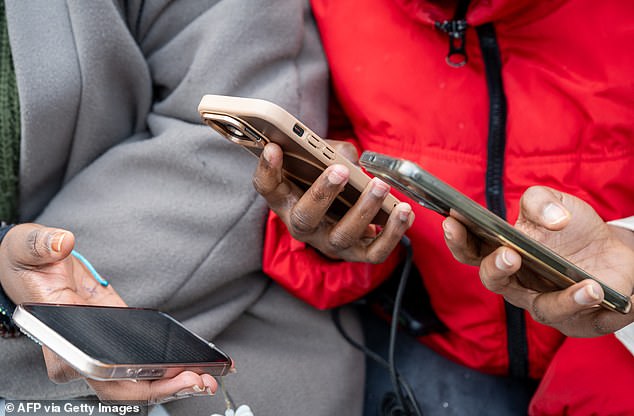
It is worth noting that Snapchat and TikTok were also named as defendants in the US lawsuit. However, both companies reached settlements prior to the commencement of the trial.
A spokesperson for Meta commented on the complexity of teen mental health, stating that it “cannot be linked to a single app.” Google, in its defence, argued that the verdict misunderstood YouTube, describing it as a “responsibly-built streaming platform, not a social media site.”
The California decision followed closely on the heels of a verdict in New Mexico, where a jury found Meta liable under state consumer protection law for misleading the public about the safety of its platforms and failing to adequately protect children. These developments underscore a growing global momentum towards holding technology giants accountable for the impact of their products on young users.