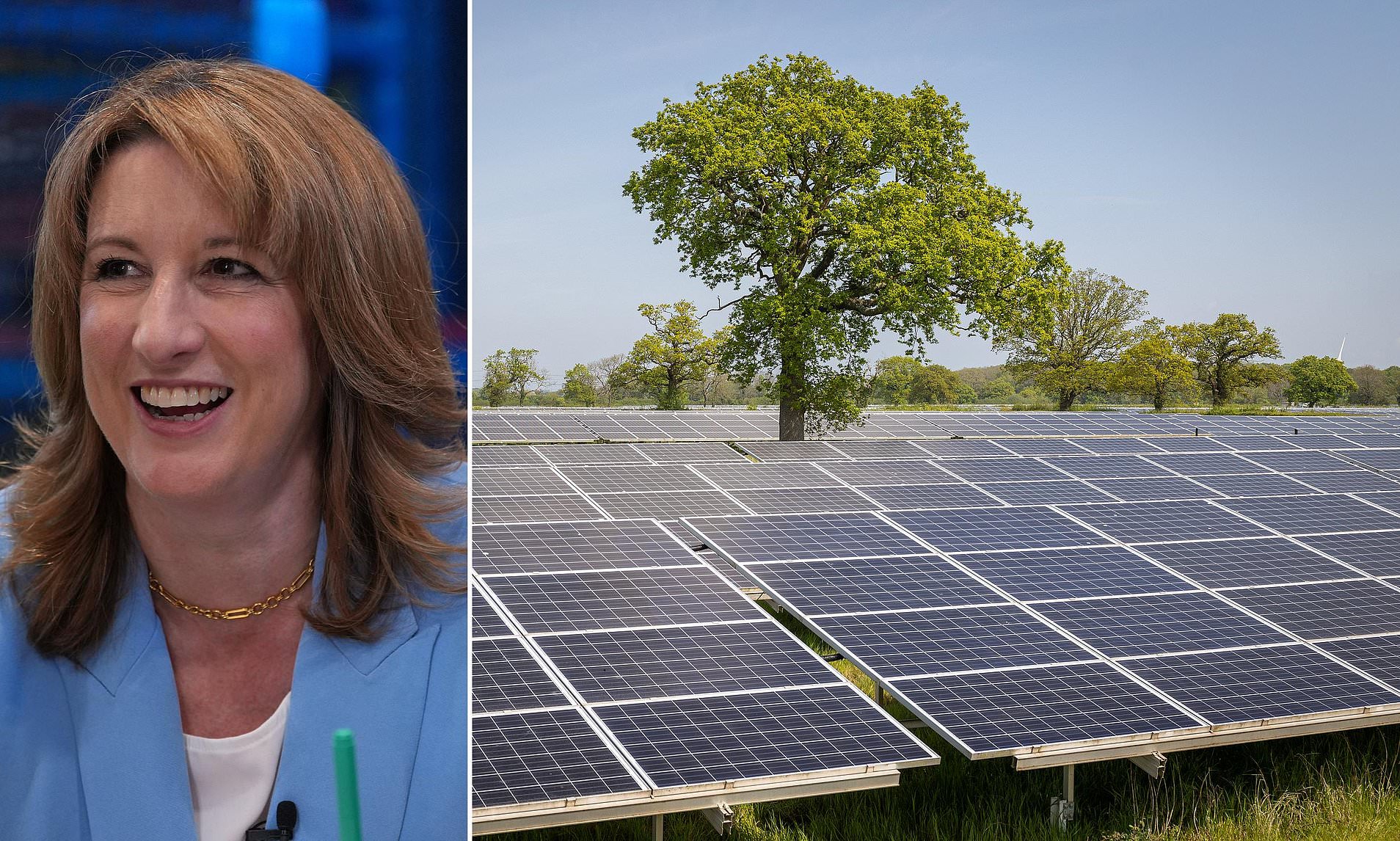
Community Voice Silenced as Labour Pushes Through Sweeping Solar Farm Reforms
Canberra, ACT – Residents across Australia may soon find their ability to object to massive solar farm developments near their homes significantly curtailed, following a proposed overhaul of planning laws by the current government. Chancellor Rachel Reeves is reportedly poised to fast-track colossal clean energy projects by introducing new powers that could dramatically limit community scrutiny and the ability to challenge these proposals.
The proposed changes have already sparked outrage among rural residents, who are warning of a potential “solar farm free-for-all.” Under the new framework, it’s understood that Parliament could approve controversial schemes by simply deeming them of “critical national importance.” This move bypasses traditional planning objection processes and significantly weakens local democratic input.
Furthermore, the Treasury has indicated that judicial reviews – the legal process by which decisions are scrutinised – will no longer be permitted, except in cases explicitly related to “human rights grounds.” This represents a substantial shift, removing a key avenue for communities to challenge decisions they believe are flawed or detrimental to their local environment and way of life.
The government has framed these reforms as an essential component of broader measures aimed at bolstering national energy security and mitigating the economic impacts of global instability, such as the ongoing conflict in Iran. The push for accelerated renewable energy deployment is seen as a critical step towards achieving ambitious net-zero targets.
A Case in Point: Burnhope’s Solar Farm Controversy
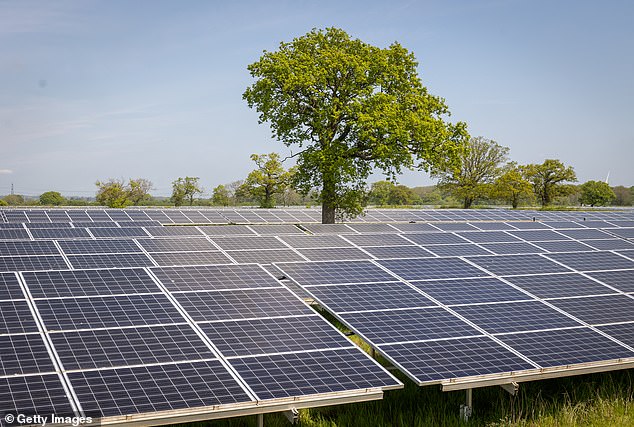
Recent events in County Durham, UK, offer a stark illustration of the tensions surrounding such developments. A government inspector recently granted approval for a massive solar farm, comprising 110,640 solar panels spread across 14 fields. The justification cited was the necessity to “achieve net zero targets.”
This sprawling scheme, however, is set to border a cherished nature reserve and a vital breeding ground for curlews, a species now listed among the UK’s most endangered birds. The proximity of such a large industrial development to a sensitive ecological area has raised serious concerns among local conservationists and residents.
Ian Galloway, a vocal member of Burnhope’s “Keep it Green” campaign group, has personally invested in fighting the Burnhope solar farm. He reportedly raided his private pension to fund legal fees, embarking on a four-year battle that reached the High Court.
Mr. Galloway, aged 67, expressed his dismay at the government’s approach. “I’ve never seen a government acting this way before,” he stated. “The vast majority of people in the village are against this scheme. Our only hope now is to try to delay it as much as we can before the next general election.”
Despite the strong local opposition, the ruling party in Durham council, Reform UK, has indicated a reluctance to commit further substantial funds to legal challenges, estimating the cost to be “hundreds of thousands of pounds.”
Planning councillor Joe Quinn echoed these sentiments, explaining the difficulties faced by local authorities. “The Government are going to make it nigh on impossible to do judicial reviews,” he observed. “Everybody we speak to – planners, officers and even a KC – says the same thing – ‘Your chances of winning are so slim you might as well just chuck the money down the drain unfortunately.’”
The power company behind the Burnhope project, Lightsource, maintains that it has “engaged with the local community” and implemented measures designed to “enhance” the environment surrounding the development.
The Broader Vision for Renewable Energy
Under Ms. Reeves’ proposed plans, a wide array of low-carbon energy schemes and infrastructure projects, including both solar and wind farms, are slated for accelerated development. The overarching objective is to meet a national goal of a virtually zero-carbon power system by the year 2030.
In response to these proposals, the Campaign to Protect Rural England has urged the government to reconsider its approach, advocating for a greater focus on utilising brownfield sites for solar farm installations. This would aim to preserve valuable green spaces and agricultural land, while still advancing renewable energy goals. The debate over balancing urgent climate action with the protection of rural landscapes and local democratic rights is set to intensify as these reforms move forward.