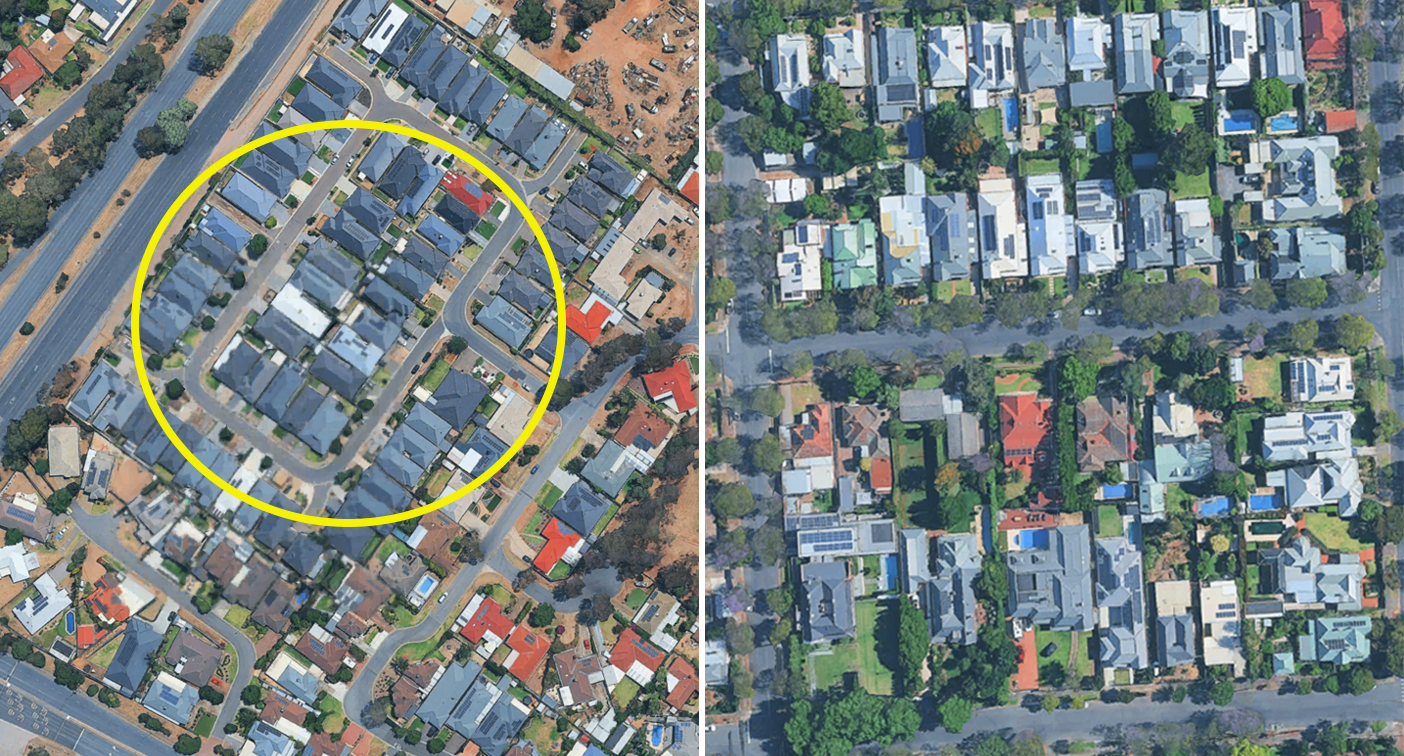
Australian researchers have set out to quantify the economic payoff of planting street trees to give local councils a better understanding of the benefits of introducing tree canopy. Aspects including improved public health, reduced heat urban impacts, lower energy costs, better drainage and contributing to higher property prices, means trees provide a very real dividend for local governments.
The study set out to give councillors an unprecedented level of detail into the positive externalities provided by trees in a residential community, as well as a corresponding decision-making framework and planning tools. Published in the journal Urban Forestry & Urban Greening, it argued that street trees can deliver a nearly $1.50 return in overall socio-economic benefits for every dollar spent.
“The study shows that if you don’t do anything, it actually can have detrimental benefits,” Professor Veronica Soebarto told Yahoo Finance.
RELATED
-
Superannuation tax break worth up to $167,500 about to close
-
Major Centrelink changes coming for millions in weeks
-
Homeowner bypasses lengthy council rule with $135K property upgrade
The study was carried out by researchers at Adelaide University and Flinders University and looked at two different council areas – Salisbury in the northern suburbs and the more affluent inner LGA of Unley.
The researchers also looked at the specific trees used in the different council areas in terms of their canopy cover, water demand and tolerance to heat and pests. “Depending on the kind of trees you planted, the benefit is different,” Prof Soebarto, from Adelaide University, said.
While the costs of adding and maintaining tress in public spaces is easy for council workers to see, the enduring economic value they provide is not so easy to understand for decision makers, she said.
“A lot of times trees are getting removed for either a new development or housing, but also other reasons,” she said, adding that private homeowners would also remove deciduous trees to reduce work.
“The issue is often people would say it costs more to have trees or maintain trees, and therefore it’s just cheaper to remove it.
“We also noticed that areas with lower socioeconomic backgrounds often are also located in areas with less tree canopy cover,” she said.
The potential $1.50 return for every dollar spent on the planting and upkeep of tree canopy was arrived at by analysis of data and studies into the benefits including a boost to air pollution, improved storm water drainage, and the cooling effect during summer which reduces energy costs and is correlated with better health outcomes.
“Then we put that into this equation, basically,” Prof Soebarto explained.
But that $1.50 number would actually be higher if all the social benefits were included.
“Even in that [figure] we haven’t included everything,” she said, noting that the more nebulous well-being benefits were not factored in.
“We haven’t taken into account, for example, the impact on well-being, because that is even harder to quantify.”
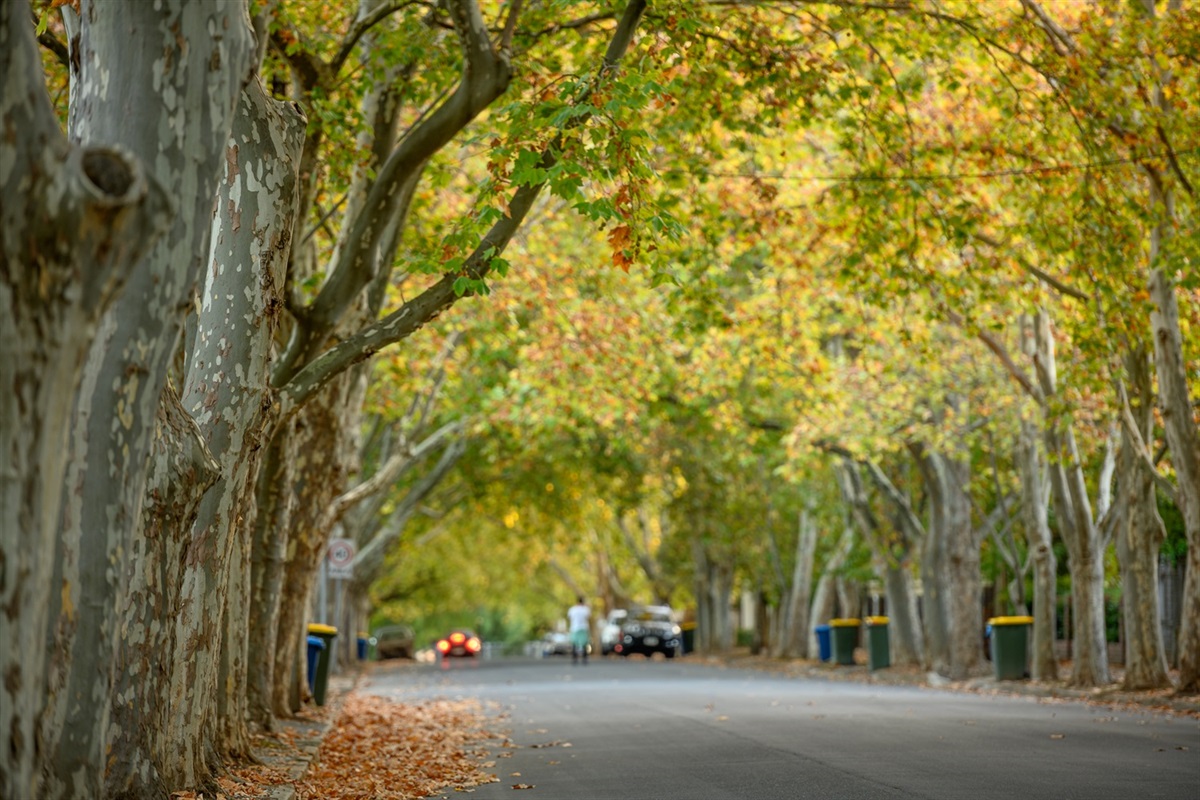
Researchers outlined in the study that proactive, sustained planting programs generated positive economic returns over a 30-year period. It found that realistic urban greening programs generated benefit-cost ratios of $1.26 in Salisbury and $1.36 in Unley, but more ambitious programs could push those returns to about $1.47.
In counter scenarios, declining tree canopy produced economic losses in the community.
In Salisbury, planting approximately 600 to 700 additional trees was sufficient to generate positive economic returns, while in the more leafy Unley, fewer than 100 additional trees were needed to reach the same threshold.
In higher-income areas such as Unley, increased property values represented the largest share of benefits from tree canopy while in lower-income and more heat-vulnerable areas such as Salisbury, the biggest value gains came from reducing heat-related illness and associated healthcare costs.
Councils urged to seek ‘equitable returns’ on tree value
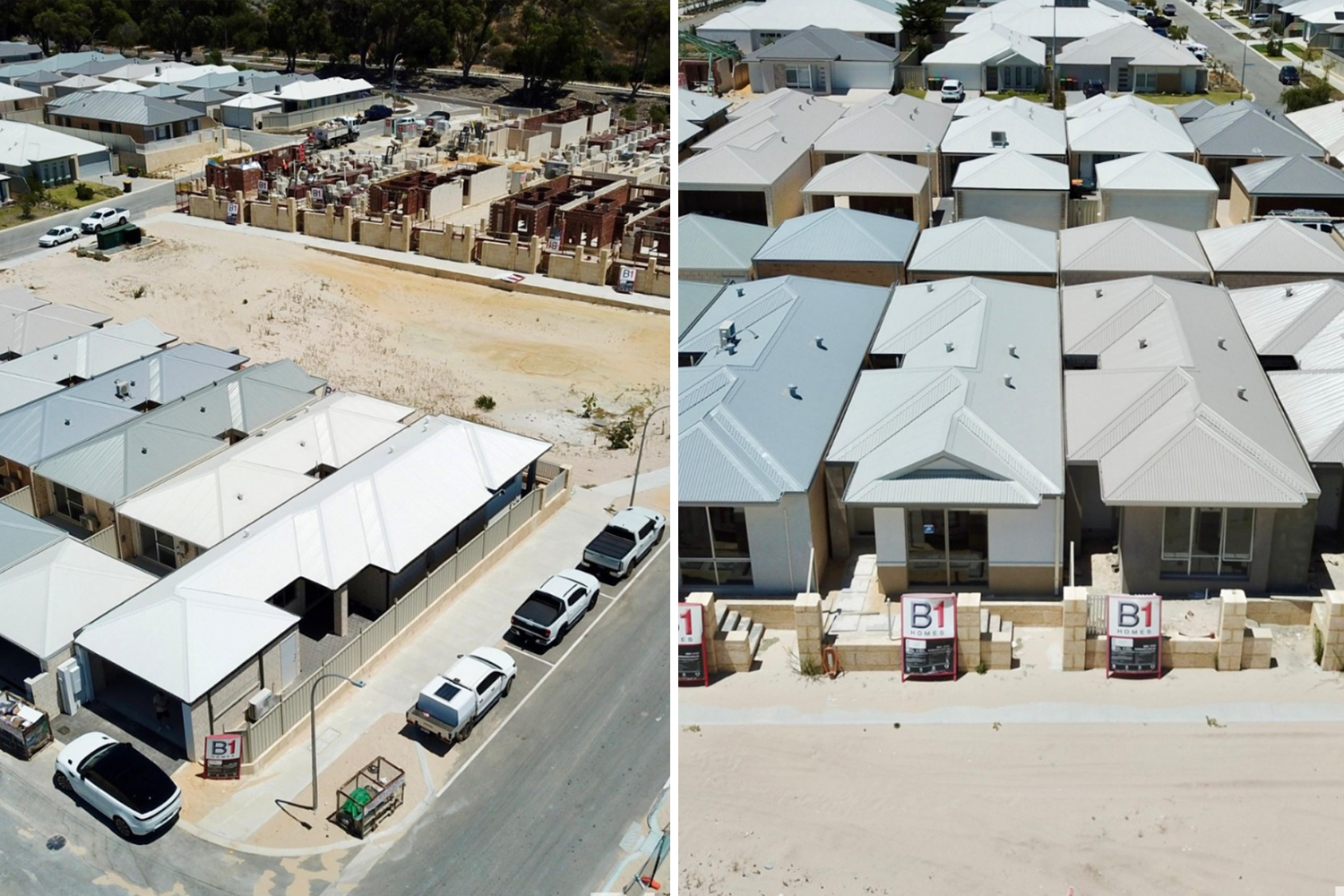
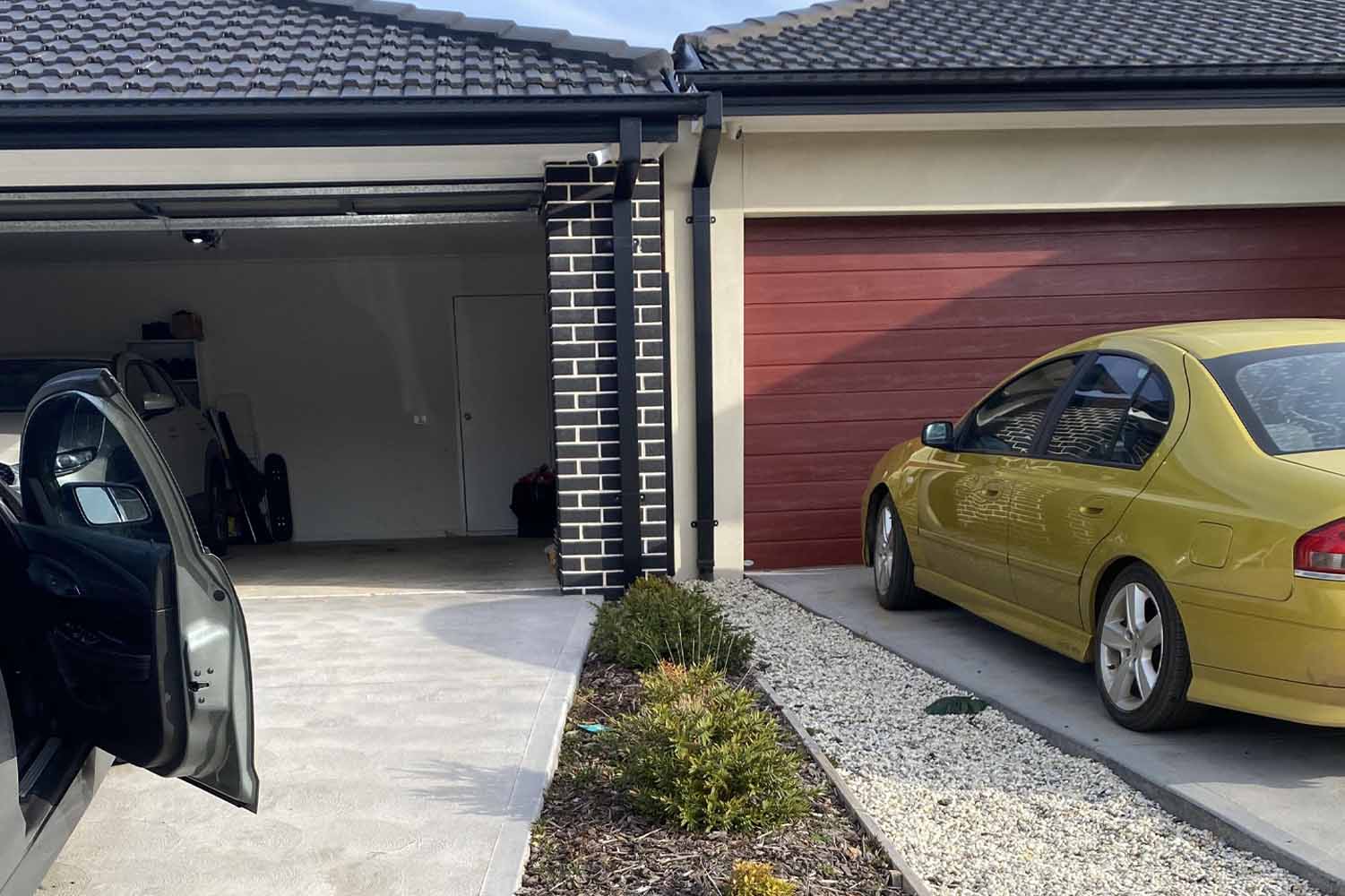
It comes as new housing developments in certain parts of the country have received attention and backlash in recent times as shrinking block sizes and the increased prevalence of zero-lot builds have left little to no room for trees in new suburban areas.
There has also been growing concern about common building trends in Australia such as black roofs and the worsening urban heat island threat in some outer suburbs.
The Adelaide researchers said the study shows how urban trees should be treated as critical infrastructure for climate adaptation, public health and community wellbeing.
“The key policy question is not whether to invest in urban greening, but how and where investment delivers the greatest and most equitable returns,” lead author from Flinders University, Dr John Kandulu, said.
Get the latest Yahoo Finance news – follow us on Facebook, LinkedIn and Instagram.
This article originally appeared on Yahoo Finance AU at https://au.finance.yahoo.com/news/aussie-councils-urged-to-boost-critical-feature-to-improve-health-and-boost-property-values-232005148.html